Wheeled Stair-Climbing Wheelchairs from a Dedicated Mobility Manufacturer
As a Custom Wheeled Stair-Climbing Wheelchair Manufacturers, Factory, we match product configuration to the application, operating limits, interfaces and acceptance criteria defined for each project.
SUZHOU COMPAW INTELLIGENT TECHNOLOGY CO., LTD. designs, manufactures and exports wheeled stair-climbing wheelchairs as part of a complete accessible-mobility programme. Our manufacturing core is built on 25 years of mature experience, a 50,000 ㎡ factory in Suzhou, more than 300 employees and a 100-ton production capacity, with over 70% of output shipped to international markets. As Custom Wheeled Stair-Climbing Wheelchair Manufacturers, we build the wheeled climber alongside tracked climbers, nursing stair climbers and powered stair climbers, so an entire care or distribution programme can be equipped from one production base.
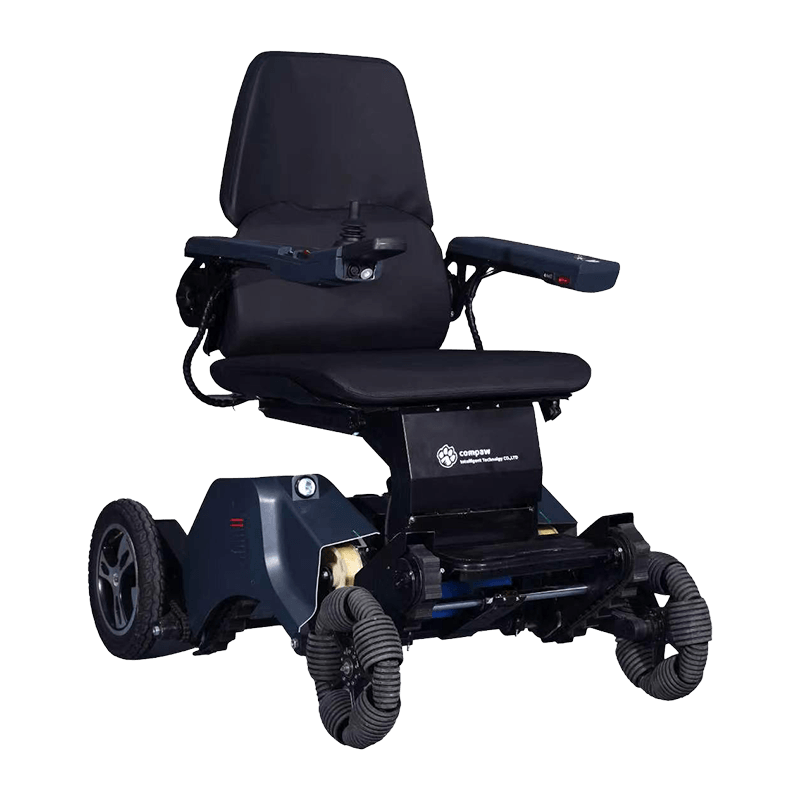
The wheeled configuration uses a wheel-based climb mechanism guided by an attendant or driven by an on-board motor, which keeps the chassis narrow enough for domestic stairwells and compact landings. We configure each unit around the occupant, the stairway it will serve and the way the chair will be operated every day.
Our Stair-Climbing and Accessible Mobility Range
Stair-climbing equipment rarely travels alone. Distributors, care operators and rental services usually buy the climber together with flat-floor wheelchairs, front-mounted power drives and a spare-parts package, and we supply that whole set.
| Product family |
Configuration |
Where it fits |
| Wheeled stair-climbing wheelchair |
Wheel-based climb assist, attendant-guided or motorised, folding frame, occupant restraint |
Residential stairwells, care homes, patient transport between floors |
| Tracked stair-climbing wheelchair |
Continuous track drive, low centre of gravity, motorised climb |
Steeper or narrower stairways, heavier occupants, multi-flight routes |
| Nursing stair climber |
Compact attendant-operated unit with simplified controls |
Routine transfers inside nursing homes and hospital buildings |
| Electric powered stair climber |
Battery-driven climb and descent, rechargeable pack |
High daily throughput, longer routes, shared equipment pools |
| Wheelchairs and power attachments |
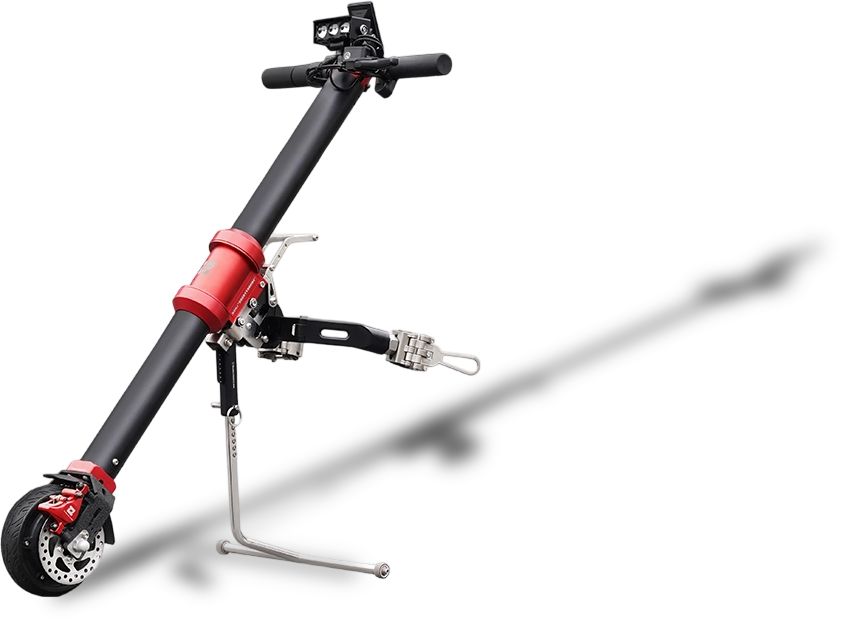
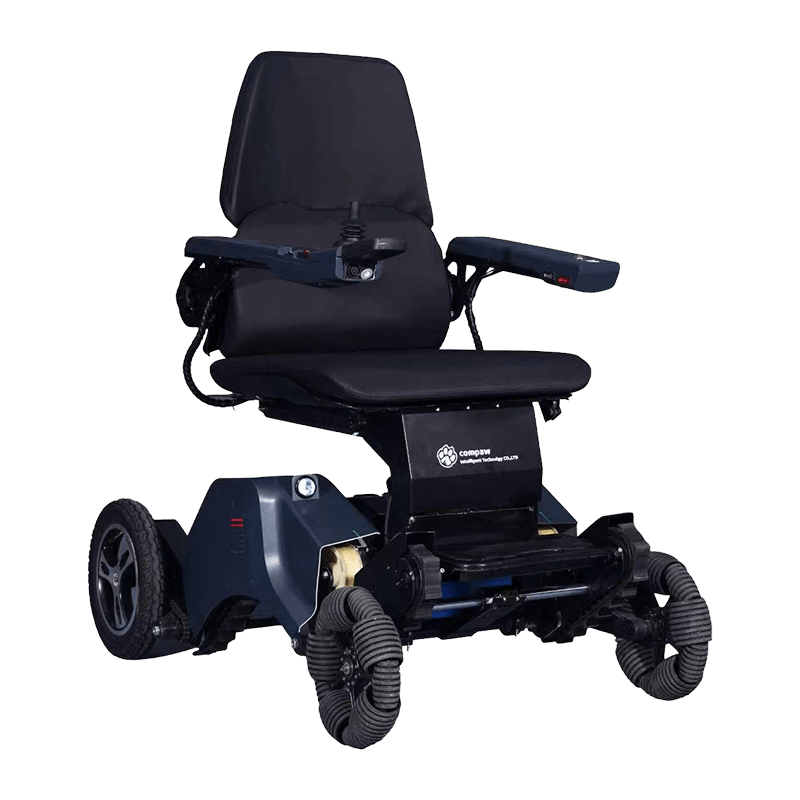
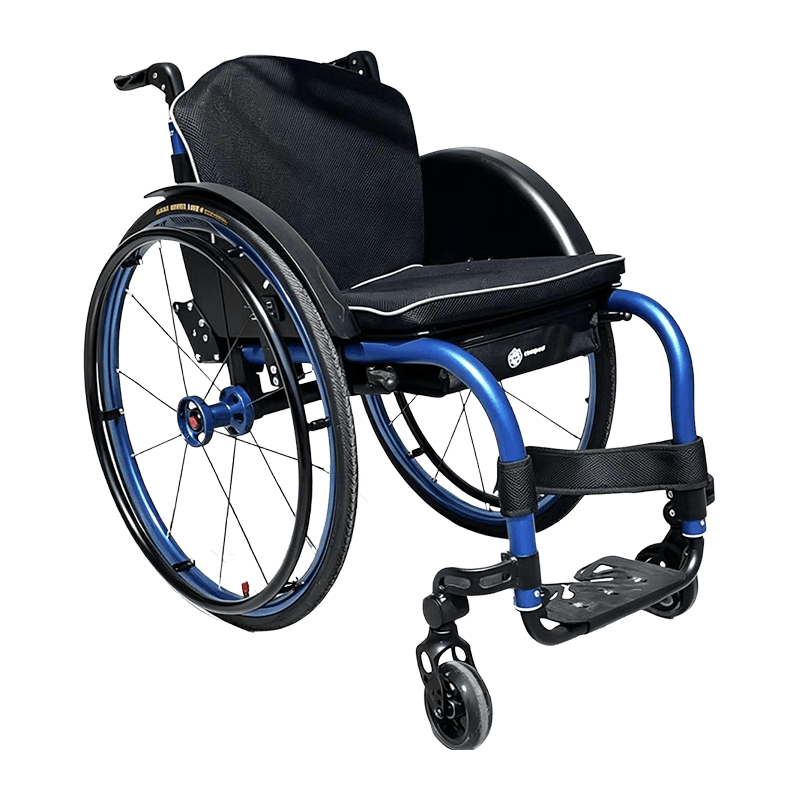
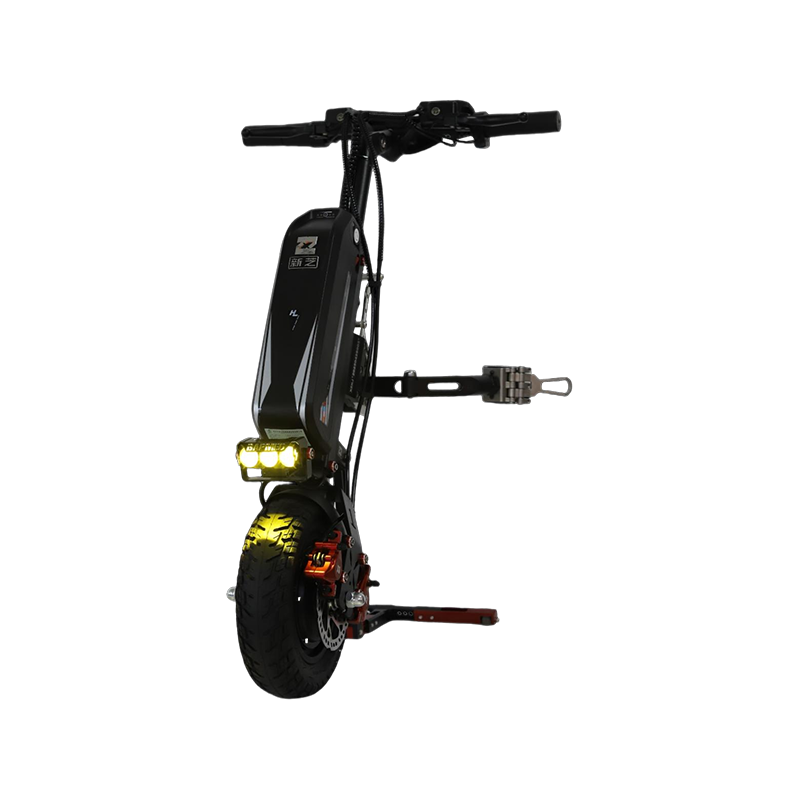
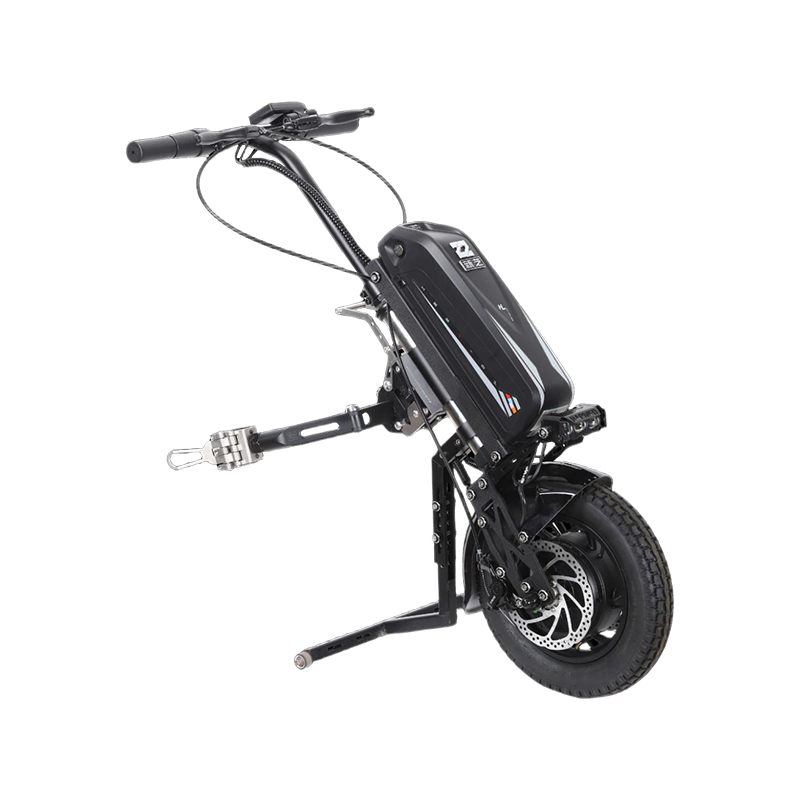
Manual, companion-push, electric, plus SlimTough, NeoPath, Zepath, ProPath and OmniPath power assist heads |
Flat-floor mobility, outdoor range extension, product-line completion |
| Accessories and consumables |
Restraints, cushions, batteries, chargers, replacement wheels |
Fleet maintenance and after-sales programmes |
Wheeled or Tracked: Matching the Climb Mechanism to the Stairway
- Wheeled climbers stay compact through the chassis and suit straight flights with consistent rise and going, where landings offer turning space for an attendant.
- The tracked stair-climbing wheelchair range spreads contact across the step edge, which holds position better on steeper angles and uneven treads.
- A nursing stair climber is the practical choice where a caregiver performs the same transfer many times a day and needs fast, repeatable handling.
- An electric powered stair climber carries its own battery pack and suits routes that are too long or too frequent for attendant effort alone.
Application Fit: Buildings, Care Settings and Transport
Wheeled stair-climbing wheelchairs serve apartment blocks without lifts, hospital rehabilitation departments, disabled persons' federations, nursing homes, home-based elderly care and accessible-mobility rental stations. In commercial and community use, the same chair is often shared across a floor or a building, which makes quick folding, clear charge status and simple controls more important than outright speed.
Fit is decided by four practical conditions: stair rise and going, the width and turning radius of the landings, the weight and posture support the occupant needs, and whether an attendant is always present. When a route combines level travel with short flights, we normally pair a powered wheelchair or handcycle attachment with the climber instead of relying on one device for both.
Materials, Drive System and Critical Specifications
Frames are built from high-strength alloy sections, keeping the folded weight manageable while holding the rated load with a safety margin. Silent brushless motors, sealed batteries and reinforced step-contact components are selected against the climbing duty rather than a single headline number.
| Configuration variable |
Engineering consideration |
What we confirm with you |
| Rated load and occupant profile |
Frame section, axle position, restraint anchorage |
Weight range, seat width and depth, posture support |
| Stair rise, going and angle |
Wheel diameter, climb assist ratio, descent control |
Measured rise and going, flight angle, straight or winding |
| Flight length and landings |
Motor duty cycle, battery draw, turning envelope |
Steps per flight, flights per trip, landing dimensions |
| Material and finish |
Weight, corrosion resistance, cleanability |
Indoor or outdoor duty, preferred alloy and colour |
| Battery and charging |
Pack capacity, charger type, charge status indication |
Trips per day, charging access, mains voltage |
| Operation and storage |
Control layout, folding locks, transport weight |
Attendant or occupant operation, vehicle boot dimensions |
Controls, Battery Management and Connected Operation
Control hardware is matched to the operator. Attendant models use a handlebar-mounted control with a climbing and descent direction selector; occupant-operated units use an adapted joystick or paddle interface with reduced sensitivity on stairs to keep movement predictable. Speed limiting on descent, an emergency stop and clear charge indication are part of the standard control concept.
For rental platforms and community service stations we support an equipment management backend with real-time status monitoring, fault alerts and remote locking, so a shared fleet can be tracked without adding staff. Interface logic, connector positions and battery form factor can be adapted when the climber has to sit inside an existing fleet standard.
Safety, Testing and Acceptance
- Occupant restraint and foot support are matched to the seat configuration and the occupant profile recorded at quotation stage.
- Braking, parking and anti-runaway behaviour are checked on the completed unit, together with battery cut-off and the emergency stop path.
- Full-process quality control runs from incoming materials through frame fabrication, assembly and final functional testing to packing.
- Units are inspected against the agreed drawing and configuration sheet before release, and batch records are retained for repeat orders.
- Products are prepared for EU and North American market access, and we collaborate with customers on localized certification adaptation.
OEM and ODM Customization
Our technical team works from market concept to mass production on OEM and ODM programmes. Customization covers functional parameters, appearance and colour, interaction logic, stair-climbing algorithm adaptation and integration of the intelligent drive system, supported by modular design so a change in one element does not restart the whole development.
Where a market requires exclusive positioning, we develop a dedicated product design for home-based elderly care, medical rehabilitation or institutional transport scenarios, then verify the local user habits and market access standards it must satisfy.
Information We Use to Configure Your Solution
A workable configuration comes from site and user data rather than a catalogue number. We build the proposal from:
- Measured stair rise, going, flight angle and number of steps per flight
- Landing width, turning space, doorways and the route between flights
- Occupant weight range, seat dimensions and posture support requirements
- Operating model: attendant-driven, occupant-driven, or shared across a fleet
- Daily trips, charging access and mains voltage at the destination
- Destination market, language requirements and labelling expectations
- Order volume, annual forecast and expected spare-parts coverage
- Packaging, transport and delivery scope, including whether assembly is required on arrival
Documentation, Spare Parts and Service Support
Every shipment is accompanied by multilingual technical documentation covering installation, operation, daily inspection, charging and troubleshooting. Channel customers receive product training, remote fault diagnosis and online troubleshooting guides so their own service teams can handle first-line issues.
Beyond delivery we support the installed base with rapid spare-parts supply, regular technical inspections, equipment calibration and operator training for care institutions. Our trade team handles pre-sales solution design, in-sales technical support and after-sales operation guidance, with logistics, customs clearance and compliance experience in the EU, North America and the Middle East.
Frequently Asked Questions
How do I know whether a wheeled or tracked stair-climbing wheelchair suits my project?
It follows the stairway. Straight flights with consistent geometry and adequate landings are well served by a wheeled climber, while steeper angles, narrower treads or heavier occupants point to a tracked unit. We review the measurements and recommend the mechanism accordingly.
Can a wheeled stair-climbing wheelchair be operated by the occupant alone?
Both operating models are available. Attendant-guided units give a caregiver direct control on the stairs, while occupant-operated versions use an adapted interface with reduced sensitivity during climbing and descending. We set the control layout when the order is configured.
What customization can COMPAW deliver on an OEM or ODM order?
Functional parameters, appearance and colour, interaction logic, stair-climbing algorithm adaptation, drive-system integration and dedicated product design for specific care scenarios. Modular development keeps the change scope contained, and our technical team joins at the product definition stage.
Which spare parts and service items should be planned for a fleet?
Batteries and chargers, wheels and step-contact components, control hardware, restraints and cushions are the usual wear and replacement items. We supply these rapidly and provide multilingual documentation plus online troubleshooting guides for channel service teams.
How is a quotation prepared?
We work from the site survey, occupant profile, operating model, destination market, order volume and delivery scope. Once these are fixed, we confirm the configuration drawing, control layout, documentation language and packaging before production release.

 English
 русский
 Español
 Deutsch