SUZHOU COMPAW INTELLIGENT TECHNOLOGY CO., LTD. manufactures and supplies China Stair-Climbing Wheel Chair Manufacturers for healthcare distributors, elderly care operators, rehabilitation departments and accessible-mobility rental fleets. Our range covers tracked and wheeled stair-climbing wheelchairs, caregiver-operated nursing stair climbers and motorized electric powered stair climbers, each engineered for controlled movement on stairways a standard wheelchair cannot negotiate. Production takes place in a 50,000 m² facility with more than 300 staff, built on 25 years of accessible mobility manufacturing experience.
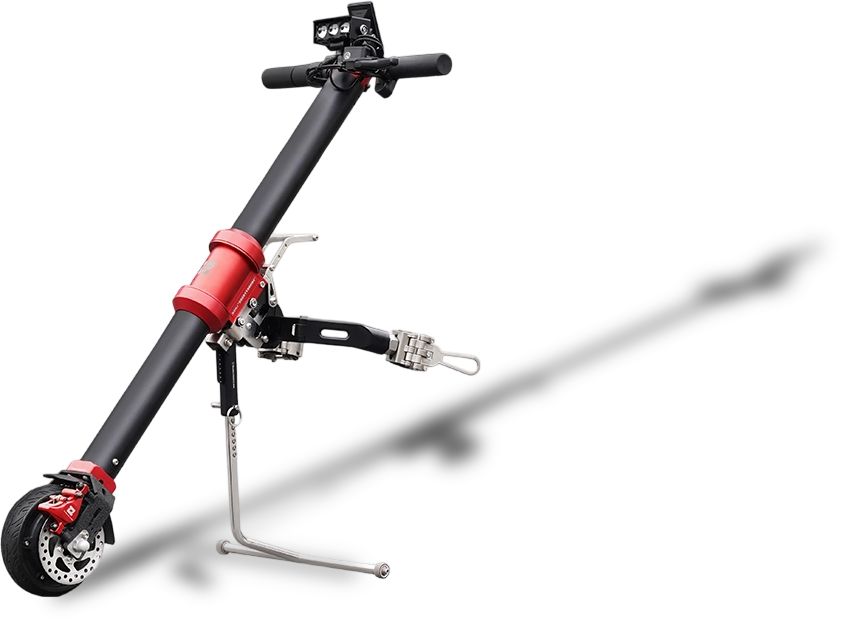
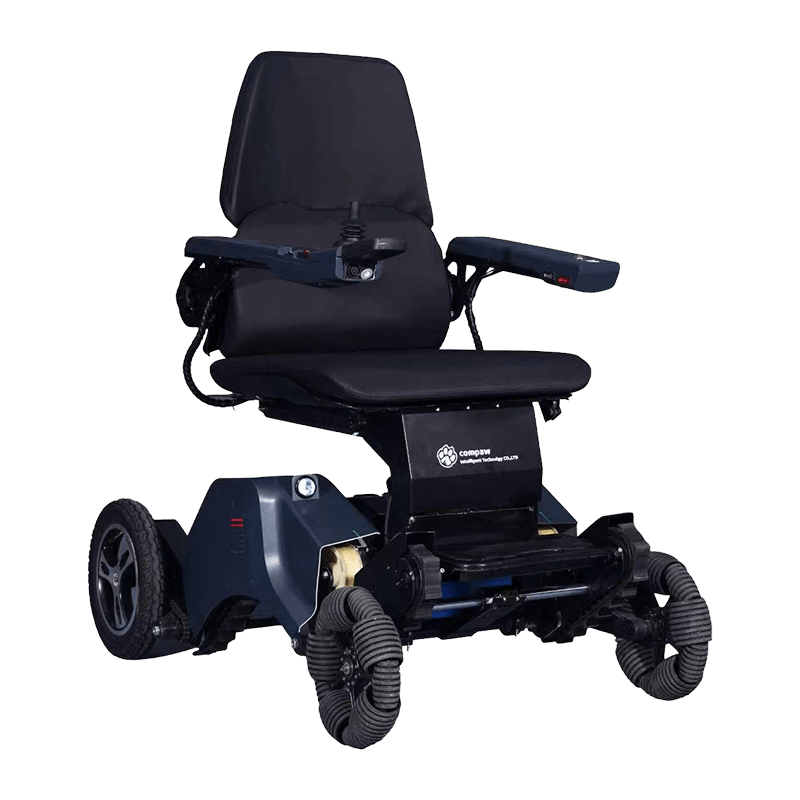
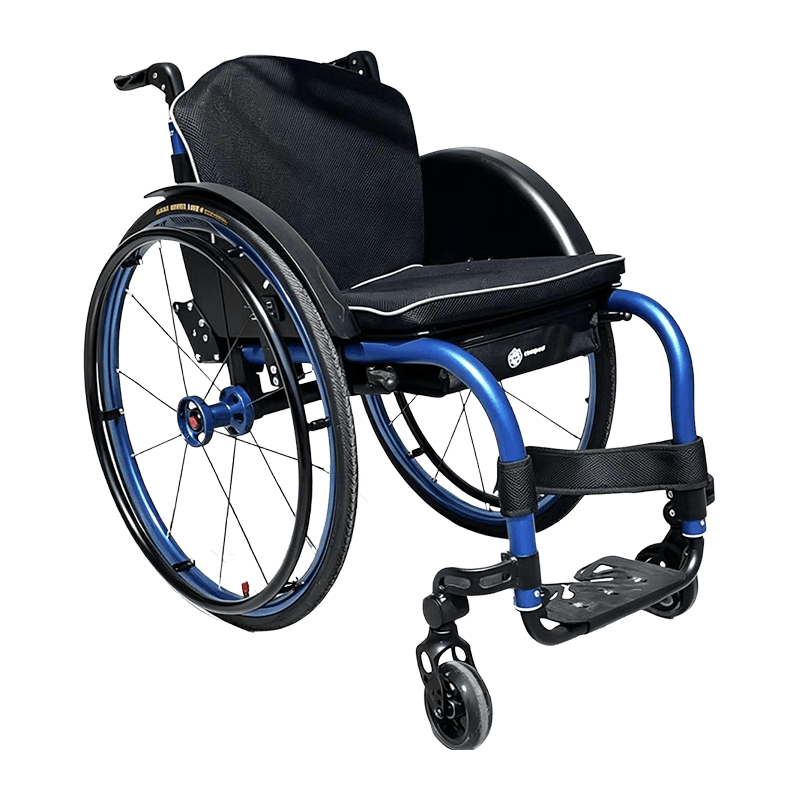
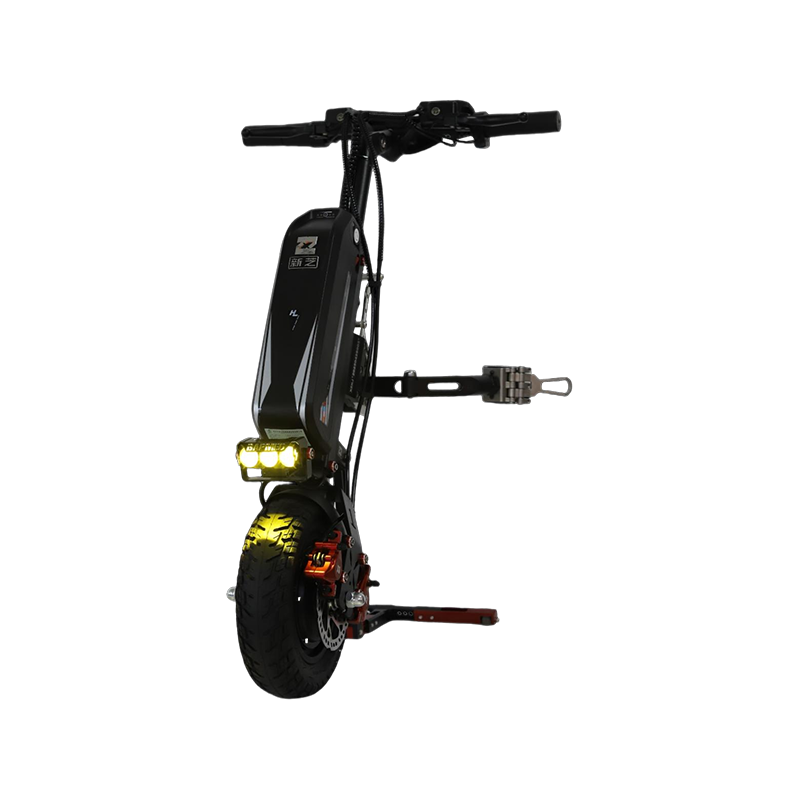
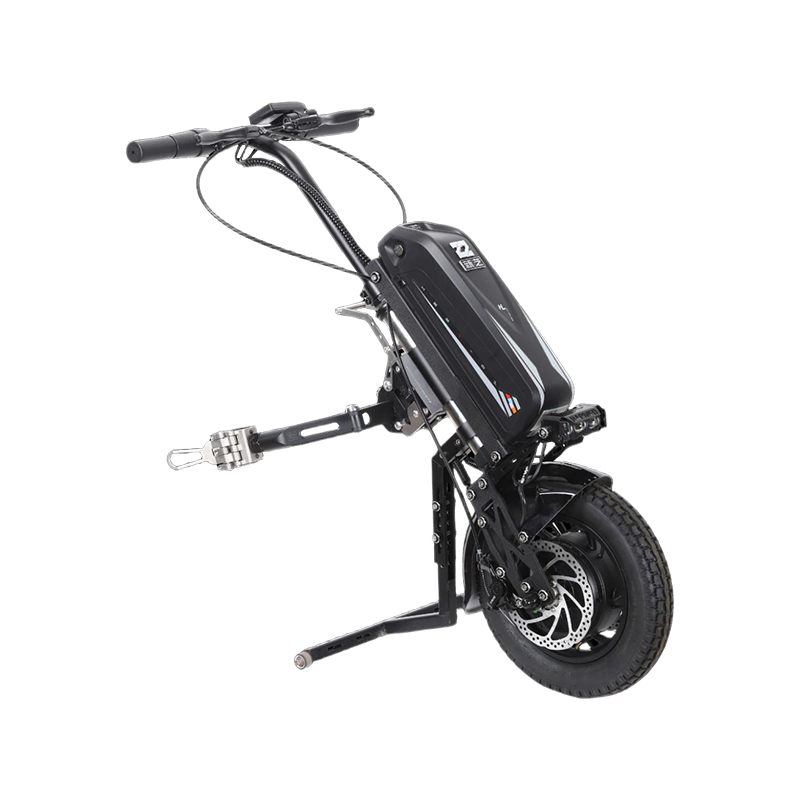
The same factory also builds electric handcycle attachments, manual and electric wheelchairs, mobility assistive devices and wheelchair accessories, so a stair-climber order can be configured together with the chairs, transfer aids and spares that surround it. More than 70% of our output is exported, and our engineering team works directly with distributors and project owners on specification, compliance adaptation and after-sales support.
Stair-Climbing Wheel Chair Range
As a Custom Stair-Climbing Wheel Chair Manufacturers, Factory, we match product configuration to the application, operating limits, interfaces and acceptance criteria defined for each project.
Four configuration families cover the stairway transport work we see in care, clinical and institutional projects. They share a common approach to chassis layout, control logic and service procedures, which keeps spare parts and operator training consistent when a distributor carries more than one type.
| Range family |
Drive / configuration |
Typical application |
Configuration focus |
| Tracked stair-climbing wheelchair |
Continuous track drive with assisted ascent and controlled descent |
Hospital stairwells, clinic transfers, flights ending on landings |
Track contact, descending behaviour, chassis load path |
| Wheeled stair-climbing wheelchair |
Wheel-based climbing mechanism with motor assistance |
Residential buildings, rehabilitation centers, community access |
Wheel geometry, stair-edge grip, turning space on landings |
| Nursing stair climber |
Caregiver-guided chassis for occupant transport |
Nursing homes, home-based elderly care, care institutions |
Attendant control position, restraint, transfer posture |
| Electric powered stair climber |
Motorized lift and drive with rechargeable battery support |
Institutional and commercial buildings, rental fleets |
Battery configuration, motor torque, control interface, safety interlocks |
Configuration Families in Detail
Tracked stair-climbing wheelchair
Continuous track contact spreads occupant load across the stair edge and suits steeper, longer flights where the chair must stay stable throughout the climb. Our tracked stair-climbing wheelchair range is specified for hospital stairwells, clinic transfers and buildings where every flight ends on a landing. Attendant control, descent behaviour and a mechanical release for power-loss situations are fixed during configuration.
Wheeled stair-climbing wheelchair
Wheeled machines climb on wheel geometry rather than a belt, which keeps the unit lighter to reposition on landings and in corridors. They are the usual choice for residential buildings, rehabilitation centers and community access projects with regular stair dimensions. A wheeled stair-climbing wheelchair is matched to riser height, tread depth and turning space before the frame and drive are finalised.
Nursing stair climber
Nursing stair climbers put the caregiver's operating position, occupant restraint and transfer posture at the centre of the design for nursing homes, home-based elderly care and care institutions. Handles and control points are arranged so one attendant can hold a stable stance on the stairs. We match each nursing stair climber platform to the institution's transfer routine and stairwell width.
Electric powered stair climber
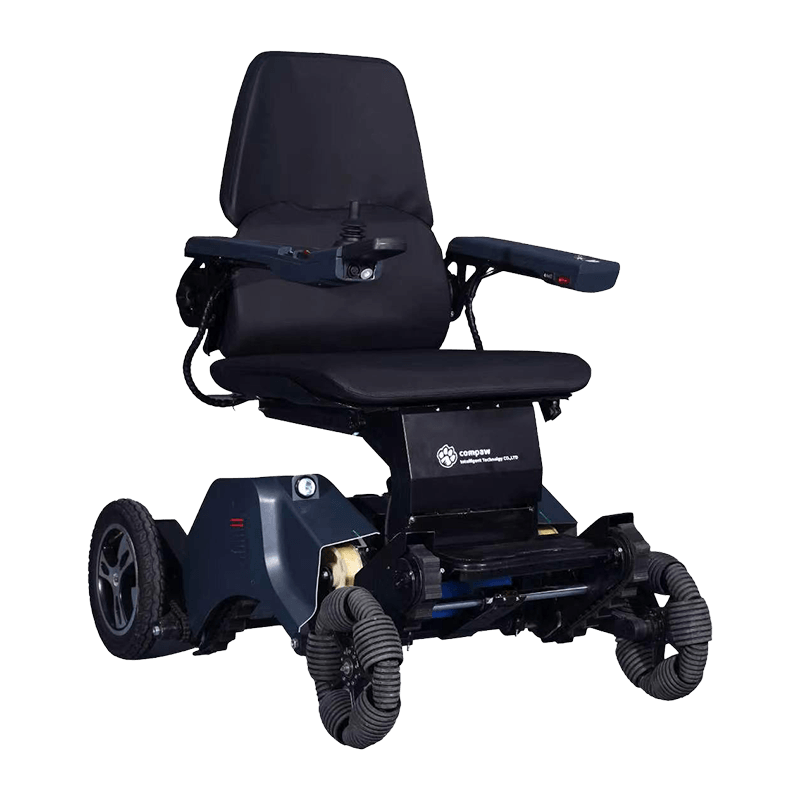
Electric powered stair climbers combine motorized lift and drive with rechargeable battery support for institutional and commercial buildings where equipment moves between floors many times a day. They suit facility service teams and rental fleets that need repeatable operation without manual lifting. Battery configuration, motor torque and control interface follow flight length, daily trip count and the charging position available in the building.
Application Fit
Stair-climbing wheel chairs serve medical, elderly care, end-user and commercial needs, and the mechanical format follows the daily routine rather than the building type alone.
- Hospitals and rehabilitation departments: patient transport between floors when lifts are unavailable, unsuitable or congested.
- Nursing homes and home-based elderly care: short, recurring flights handled by a single caregiver.
- Residential and community buildings: upper-floor access where a permanent lift or ramp is not installed.
- Rental and institutional fleets: shared equipment moved between buildings, needing consistent controls and straightforward maintenance.
Critical Specifications We Confirm Before Quotation
Configuration starts from the stair, not from a catalogue number. The following values decide the drive type, frame and safety package, and they are confirmed before a model is proposed.
- Rated load and occupant weight range, including equipment carried on the chair.
- Riser height, tread depth, flight length, landing depth and number of flights per route.
- Climbing angle and direction of travel, because ascent and descent load the drive and brake system differently.
- Battery configuration, expected trips per charge and the charging position in the building.
- Braking architecture, emergency stop location and manual lowering method for power interruption.
- Unit weight, folded dimensions and how the machine is carried or stored between shifts.
- Frame material, surface treatment and the cleaning routine used in the care environment.
- Restraint and support accessories: belts, footrests, head support and transfer aids.
Controls, Battery and Safety Integration
The control architecture is agreed during configuration rather than added later. We define who operates the machine in motion — attendant or occupant — and position controls, brake release and emergency stop where that person can reach them without breaking stance on the stairs.
- Attendant control stations with hold-to-run logic for nursing and patient transport use.
- Occupant joystick or directional control where the user operates the chair independently.
- Battery status indication and controlled behaviour as capacity falls.
- Documented mechanical brake release and manual lowering procedure for operators.
- Charging arrangement matched to where the equipment is parked overnight.
Quality Control, Certification and Acceptance
Manufacturing follows full-process quality control from component intake through assembly to final function testing, held to international manufacturing standards. Large-scale production keeps components, procedures and documentation consistent between the first order and later service batches.
- Function checks of drive, brake, control response and battery before packing.
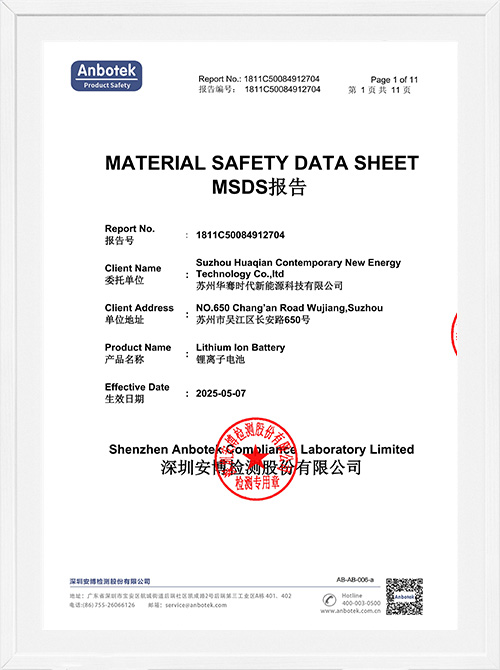
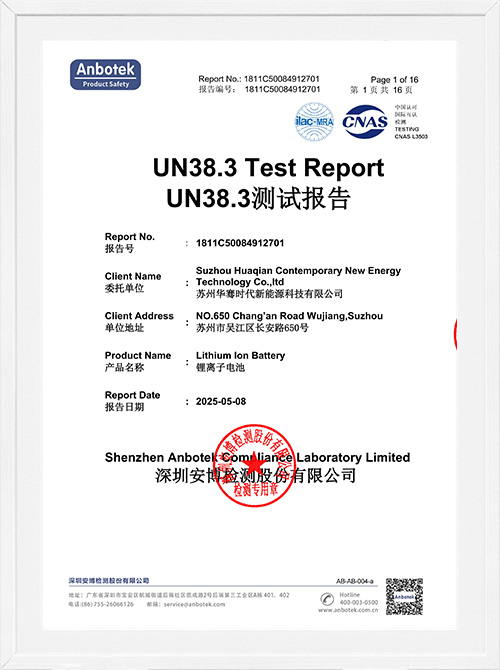
- Compliance documentation prepared for EU and North American market entry, with adaptation support for other regions.
- Multilingual operator manuals, labels and troubleshooting information.
- Acceptance criteria agreed at order confirmation so incoming inspection at destination mirrors the production checklist.
Information We Use to Configure Your Solution
- Occupant profile: weight range, mobility level and whether the user self-operates or is transported by a caregiver.
- Stair survey: riser height, tread depth, flight length, angles, landings, turning space and door widths.
- Operating routine: trips per day, number of floors, indoor or outdoor use and who moves the unit between buildings.
- Power and charging: storage position, charging window and whether the daily schedule calls for additional battery capacity.
- Market requirements: destination country, registration route and the label, manual and packaging languages required.
- Order scope: unit quantity, spare parts package, accessory set and the branding or model naming to be used.
These inputs become a configuration proposal covering model selection, accessory list, battery arrangement, packaging scope and delivery terms.
Customization, Documentation and Delivery Scope
We provide OEM/ODM development from market concept to mass production, covering functional parameters, appearance, interaction logic and packaging. Stair-climbing algorithm adaptation, drive system integration and product definition work are handled by our technical team during the concept phase.
- Model naming, colors and decals matched to the destination market.
- Modular accessories — restraints, footrests, transfer supports and top-up spares.
- Export packaging agreed per unit, with carton, pallet or container scope stated in the order.
- Multilingual manuals and remote troubleshooting guidance for partners building local service capability.
Frequently Asked Questions
What is the difference between a tracked and a wheeled stair-climbing wheelchair?
Tracked machines use a continuous belt for maximum contact and controlled movement on steeper, longer flights. Wheeled machines climb on wheel geometry, which makes them lighter to reposition on landings and easier to store. The deciding factors are stair angle, flight length and how often the unit must be turned or carried.
Can COMPAW supply stair-climbing wheel chairs together with standard wheelchairs and accessories?
Yes. Our product matrix includes manual and electric wheelchairs, companion push chairs, electric handcycle attachments, mobility assistive devices and wheelchair accessories. A mixed order can be produced and packed as one shipment, with components, manuals and packaging coordinated to keep spare-part handling simple.
What information do you need to prepare a quotation?
We need the stair survey, occupant weight range, operating routine, charging position and destination market. From those inputs we select drive type, battery configuration, restraint set and control layout, then issue a configuration proposal with accessory list, packaging scope and delivery terms.
Are the machines suitable for narrow stairwells?
Many nursing homes and older residential buildings have narrow flights with short landings. We check riser height, tread depth, turning space and door widths against the selected chassis and adjust overall width through frame and handle configuration where the stair dimensions allow.
How is battery performance matched to a building layout?
Battery configuration is set against flight length, trips per day and where charging can take place. For facilities moving equipment continuously between floors, the charging position becomes part of the operating routine so the machine returns to full capacity between shifts.
Do you support OEM branding and market-specific documentation?
Yes. OEM/ODM work covers model naming, appearance, interaction logic and packaging, and we prepare multilingual documentation, labels and compliance files for the destination market. Channel partners also receive training material and troubleshooting guides for local service teams.

 English
 русский
 Español
 Deutsch