Suzhou Compaw Intelligent Technology Co., Ltd. builds walking aids as part of our accessible mobility programme in Suzhou, Jiangsu — folding walking frames, wheeled rollators, underarm and forearm crutches, adjustable canes and gait-support variants for rehabilitation, elderly care and home use. The range is produced at our 50,000㎡ factory, where our walking aids line shares tooling, welding, finishing and assembly capacity with the wider mobility portfolio we have developed over 25 years of manufacturing.
Because the same plant also builds wheelchairs, power attachments and stair-climbing equipment, a customer programme can cover gait support, seated mobility and patient transfer from one supplier. Our walking aids are manufactured as one of the China Walking Aids Manufacturers serving hospital supply, nursing home groups, distributors and private-label brands worldwide.
Our Walking Aids Range
As a Custom Walking Aids Manufacturers, Factory, we match product configuration to the application, operating limits, interfaces and acceptance criteria defined for each project.
The range is organised by how much support the user needs and where the aid will be used, not by model number alone. Each type is configured with tube diameter, wall thickness, adjustment travel, grip compound and base geometry matched to the intended weight class and floor conditions.
| Product type |
Typical setting |
Key configuration choices |
Structure focus |
| Non-wheeled walking frame |
Ward corridors, home recovery, physiotherapy |
Height adjustment, folding latch, grip profile, ferrule type |
Welded cross-brace, aluminium or steel tube |
| Wheeled walker / rollator |
Daily indoor and outdoor use, elderly care |
Two or four wheels, loop or squeeze brakes, seat, bag, one-hand fold |
Brake cable routing, soft-tyre wheel sets, frame stiffness |
| Reciprocal gait walker |
Stroke and post-operative rehabilitation |
Reciprocal linkage, step-through width, forearm support |
Reinforced pivot points, balanced side-to-side travel |
| Underarm crutches |
Partial weight bearing, hospital supply programmes |
Dual or single height adjustment, cuff type, tip compound |
Aluminium shaft, secure locking collar, replaceable tip |
| Forearm (elbow) crutches |
Long-term users needing forearm support |
Cuff width, grip alignment, colours, left/right pairs |
Anatomic cuff, anti-slip tip, low overall weight |
| Canes and multi-point canes |
Balance support, one-side weakness, retail channel |
Handle shape, single or quad base, folding sections |
Aluminium shaft, ferrule retention, finish durability |
| Bariatric and paediatric variants |
Care institutions, paediatric rehabilitation units |
Wider frame, lower or higher adjustment band, colour coding |
Reinforced joints, geometry scaled to body size |
Walking aids are one branch of our China Mobility Assistive Devices Manufacturers portfolio, which also covers transfer equipment and daily-living support. Where a resident progresses from a frame to a wheelchair, the two product groups can be quoted and shipped as one programme.
Application Fit Across Care Settings
- Rehabilitation departments: reciprocal walkers and forearm crutches with fine height adjustment so therapists can match the aid to a changing gait pattern within one treatment cycle.
- Nursing homes and home care: rollators with brakes and optional seats for corridor and outdoor use, plus lightweight frames that a caregiver can fold and lift with one hand.
- Hospital bulk supply: standardised crutches and frames in consistent sizes, supplied in ward-friendly cartons with colour or size marking for fast dispatching.
- Retail and e-commerce: canes and rollators in retail packaging with barcodes, multilingual labels and a defined spare-parts set.
- Institutional mobility chains: walking aids paired with China Patient Transfer Aids Manufacturers and wheeled products so one facility standardises its whole assisted-movement cupboard.
Materials, Adjustment and Handling
Frame material drives most of the real-world difference between two visually similar walking aids. We build in aluminium alloy for weight-sensitive products and steel where stiffness and cost per unit matter more than mass, then finish with anodising, powder coating or a chrome-look treatment depending on the market positioning.
- Tube geometry: diameter and wall thickness selected against the declared user weight class, with the base spread sized for stability rather than appearance.
- Adjustment: push-button, spring-pin or screw-collar height systems, with the adjustment band defined by the target user population rather than a single average height.
- Contact points: moulded or foam grips in defined shore hardness, anatomic forearm cuffs, and replaceable rubber or TPE ferrules as the wear part.
- Braking and wheels: loop or squeeze brake levers with cable routing protected inside the frame, plus wheel diameter and tyre compound matched to indoor flooring or outdoor pavement.
- Folding and transport: latch geometry and folded footprint checked against car boot and storage-cupboard dimensions common in home care.
Configuration Options and Customization
Walking aids are a practical OEM/ODM category because the frame, grip, wheel set and packaging can each be varied without redesigning the platform. We work from a modular frame architecture and adapt it during the product-definition stage, which keeps samples and production tooling on a realistic schedule.
- Frame colour and finish, including low-glare or clinical colour schemes for institutional customers.
- Brand marking by laser etching, silk print or badge plate, applied without weakening the tube surface.
- Size families within one product line — for example a compact, standard and wide frame using shared components.
- Accessory kits: bags, baskets, seats, trays, cane holders, spare ferrules, spare grips and brake cables.
- Retail or institutional packaging, instruction sheets and language sets agreed before production release.
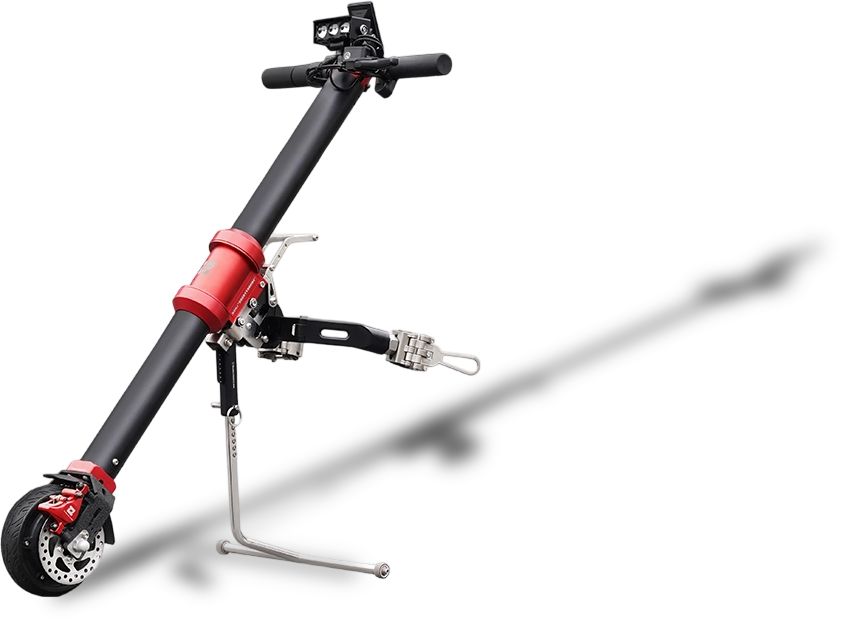
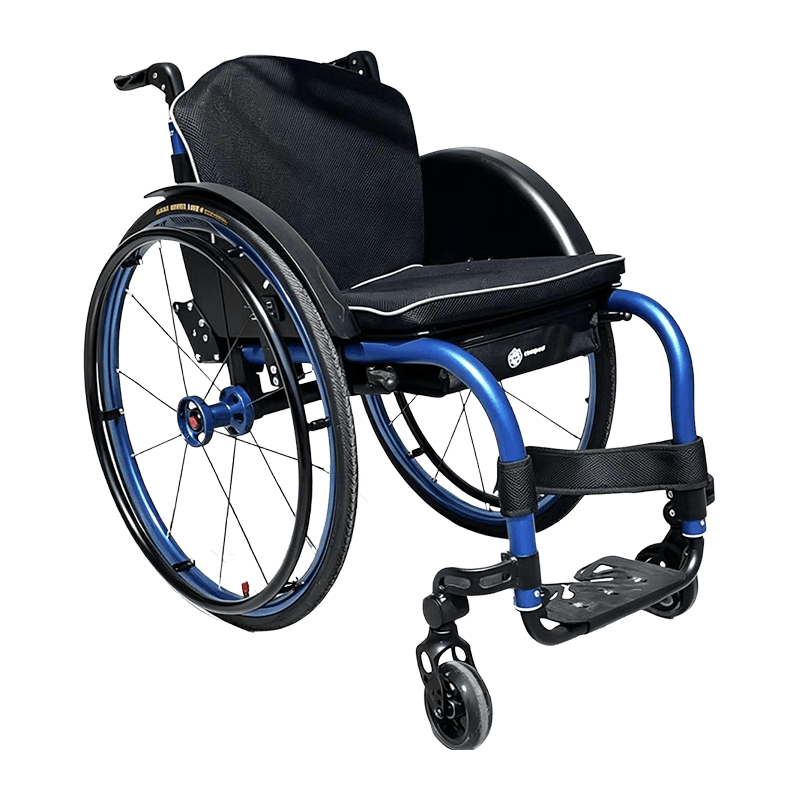
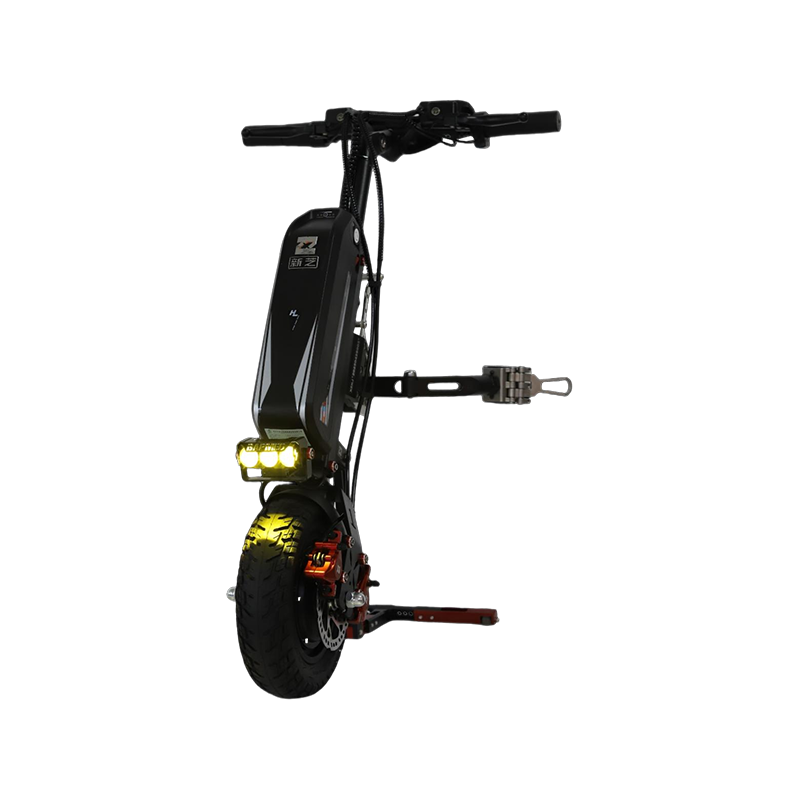
Where a customer also distributes wheeled equipment, walking aids can be developed with a shared visual language alongside our China Wheel Chair Manufacturers range and the power attachments built around SlimTough, NeoPath, Zepath, ProPath and OmniPath platforms.
Quality Control and Acceptance
Quality control runs through the same full-process system used across the factory, from incoming material to pre-shipment release. Walking aids are inspected as mechanical safety products: the frame must stay rigid under load, the height lock must not slip, and the contact points must remain in place through repeated use.
- Incoming verification of tube stock, grips, wheel sets and fastener batches against the approved drawing.
- In-process checks on cutting, bending, welding, drilling and surface finishing before assembly.
- Function checks on height adjustment travel, folding latches, brake response and ferrule retention.
- Static load and repeated-cycle testing on the frame and adjustment joints, with records kept per production batch.
- Pre-shipment sampling with dimensional and appearance checks, plus carton drop checks for the agreed packaging format.
- Compliance adaptation for the destination market, coordinated with the customer's own registration or certification route.
Information We Use to Configure Your Solution
A walking aids quotation is prepared from the working point, the user group and the commercial format — not from a catalogue page alone. The following inputs are what our technical team needs to define a frame, specify the adjustment band and confirm the acceptance plan.
- User profile: height range, weight class, hand grip ability, one-side or two-side support requirement.
- Use environment: ward, home, outdoor pavement, vehicle transport, wet area, or a mix of these.
- Product type and quantity: frame, rollator, crutch or cane, with target volume per SKU and per shipment.
- Dimensions and adjustment band: required minimum and maximum height, folded footprint, seat height if applicable.
- Branding and packaging: logo method, colour reference, packaging format, label and barcode requirements.
- Documentation: instruction languages, technical data sheet content, spare-parts list format.
- Acceptance: sample approval stage, inspection points and the test values to be recorded before release.
Delivery Scope, Documentation and Serviceability
Walking aids ship as complete units with the accessories defined in the approved specification, packed in cartons designed for container or parcel-channel handling. Consumable parts — ferrules, grips, brake cables, wheels and locking pins — are documented in a spare-parts list so distributors can support end users without returning whole units.
- Multilingual technical documentation and operator or caregiver guidance for institutional customers.
- Spare-parts kits and rapid replenishment support for channel partners building local service capability.
- Remote troubleshooting guidance and online diagnostic material for installation and adjustment queries.
- Regular technical inspection, equipment calibration and operator training arranged for hospital, rehabilitation and care-institution programmes.
Frequently Asked Questions
Which walking aid types can we order from Compaw under one programme?
We manufacture non-wheeled walking frames, two- and four-wheel rollators, reciprocal gait walkers, underarm and forearm crutches, adjustable canes and multi-point canes, including wider bariatric frames and smaller paediatric geometry. Because the same plant builds wheelchairs, transfer aids and power attachments, one purchase programme can cover a facility's full assisted-mobility list.
Can walking aids be produced as an OEM or ODM item for our brand?
Yes. Our OEM/ODM process starts at product definition and covers frame finish and colour, grip and cuff selection, wheel set, size families, branding method, packaging and instruction language. We work from modular frames so a customer-specific configuration can be defined, sampled and released without rebuilding the platform from scratch.
What information do you need before quoting a rollator or walking frame?
The user height and weight band, the use environment, the required adjustment range, the accessory set, the branding and packaging format, and the target volume per SKU. With those inputs we can fix the tube specification, wheel and brake configuration, and the acceptance values recorded before shipment.
How is the adjustment range and load class decided?
Both follow the intended user population. A rehabilitation walker may need a narrow adjustment band with fine increments, while a nursing home rollator is usually specified across a wider height band with a higher load class. The frame stiffness, locking mechanism and base geometry are then selected to match that declared working point.
What documentation and support accompany an order?
Orders ship with the agreed instruction sheets, a technical data sheet and a spare-parts list covering ferrules, grips, brake cables and wheel components. Institutional programmes can also include operator training, periodic technical inspection and remote troubleshooting support for caregivers and maintenance staff.
How do walking aids fit alongside wheelchairs and transfer equipment?
They serve different stages of the same care pathway. A patient may move from a walking frame to crutches, then to a wheelchair or transfer aid as mobility changes. Ordering these groups together keeps finishes, branding, documentation language and spare-parts policy consistent across a facility or a distribution catalogue.

 English
 русский
 Español
 Deutsch