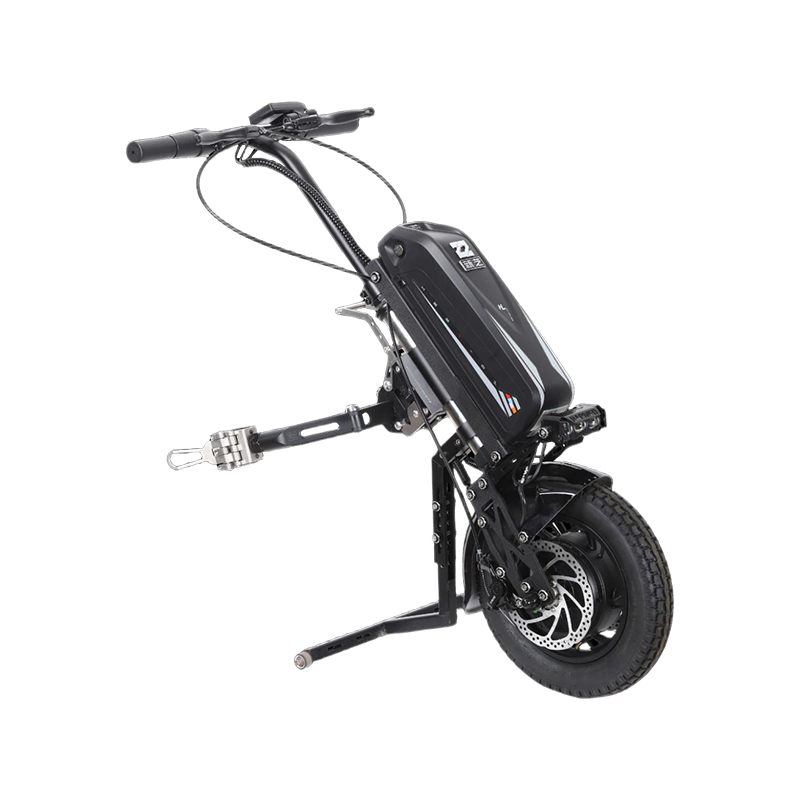
- Chargers and plug types matched to the destination market
- Real-time equipment status, fault alerts and remote locking for shared and rental equipment
- Acceleration feel, top speed and braking behaviour agreed as configuration inputs
- Fault indication on the unit so on-site staff can act before a service call is raised
Quality Control, Inspection and Project Acceptance
Quality control runs across the whole build: incoming component verification, in-process assembly inspection and finished-product function testing, held to international manufacturing standards. Large-scale production lets us keep the same inspection points across repeat orders rather than adjusting them order by order.
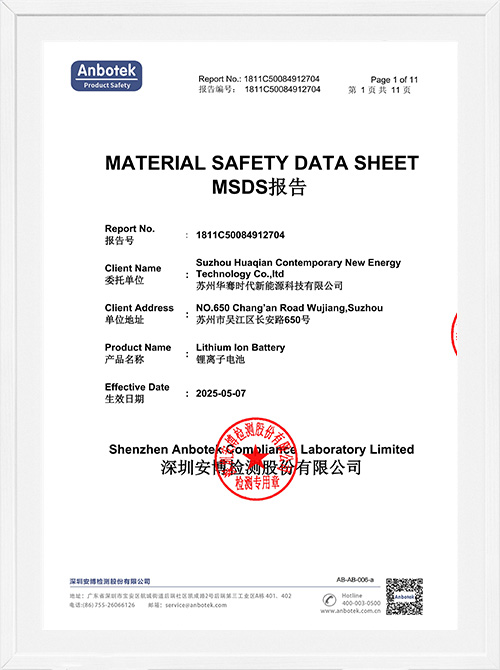
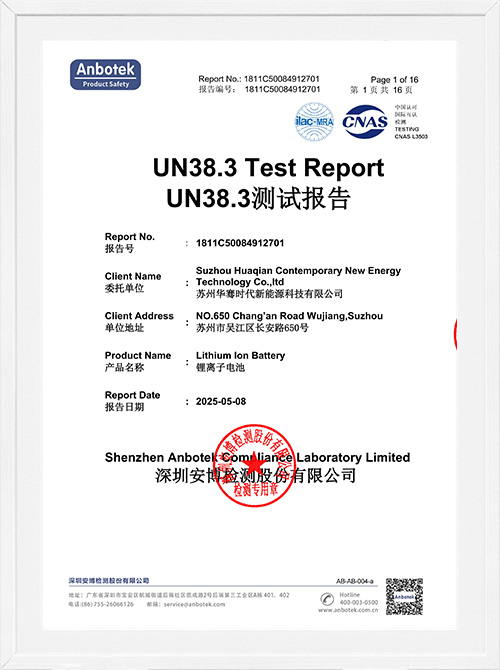
Where a project defines its own acceptance requirement, we agree the acceptance items in advance — drive and braking function, battery charging cycle, folding and locking mechanisms, seat and frame integrity, and marking and label verification. Product certification documentation is maintained for EU and North American market access on the covered models, and we work with customers on localised certification adaptation for other regions.
OEM/ODM Customisation and Market Adaptation
Our technical team joins at the product definition stage, so customisation covers the parts of a device that determine user acceptance rather than appearance alone. Functional parameters, appearance design and interaction logic are developed as one package, supported by modular solutions that shorten the path from concept to mass production.
- Stair-climbing algorithm adaptation for different stair populations and building types
- Intelligent drive system integration for attachments and powered chairs
- Product definition for home-based elderly care and medical rehabilitation scenarios
- Packaging, labelling and multilingual documentation prepared for the destination market
- One-stop trade handling from design through to delivery
Information We Use to Configure Your Solution
A proposal is prepared from the working point, the user group and the environment the device will operate in. The inputs below determine the model, the dimensions and the control set we confirm before production.
| Project input |
What it determines |
Typical format |
| User group profile |
Model family, seating dimensions, control interface, assistance level |
Age range, mobility level, weight range, number of caregivers |
| Operating environment |
Wheel and tyre specification, attachment series, stair-climbing configuration |
Floor surfaces, kerb heights, door widths, stair rise/going/width, landing space |
| Load and dimensions |
Frame class, rated capacity, stability margin |
Design load, body dimensions, transport and storage envelope |
| Power and range |
Motor variant, battery capacity, charger type |
Daily distance, number of flights, charging window, mains voltage |
| Market and compliance |
Documentation set, marking, plug and label configuration |
Destination country, local registration requirement, language of manuals |
| Branding and packaging |
Colour and trim, logo position, carton and pallet format |
Artwork files, carton dimensions, container loading target |
| Volume and delivery |
Batch planning, spare parts ratio, production sequencing |
First-order quantity, repeat-order forecast, delivery schedule |
Maintenance, Spare Parts, Documentation and Training
Serviceability is designed into the structures we build: wear items are accessible without dismantling the frame, and components are shared across related models where the architecture allows. Channel customers receive multilingual technical documentation, online troubleshooting guidance and rapid spare parts supply so they can build their own service capability.
- Regular technical inspection, calibration and operator training for medical and rehabilitation sites
- Remote diagnosis and usage guidance for nursing homes and home-based care users
- On-site maintenance support for care institutions where the equipment population justifies it
- Packing list, model and serial identification and the technical file supplied with each shipment
Frequently Asked Questions
What mobility assistive devices does Compaw manufacture?
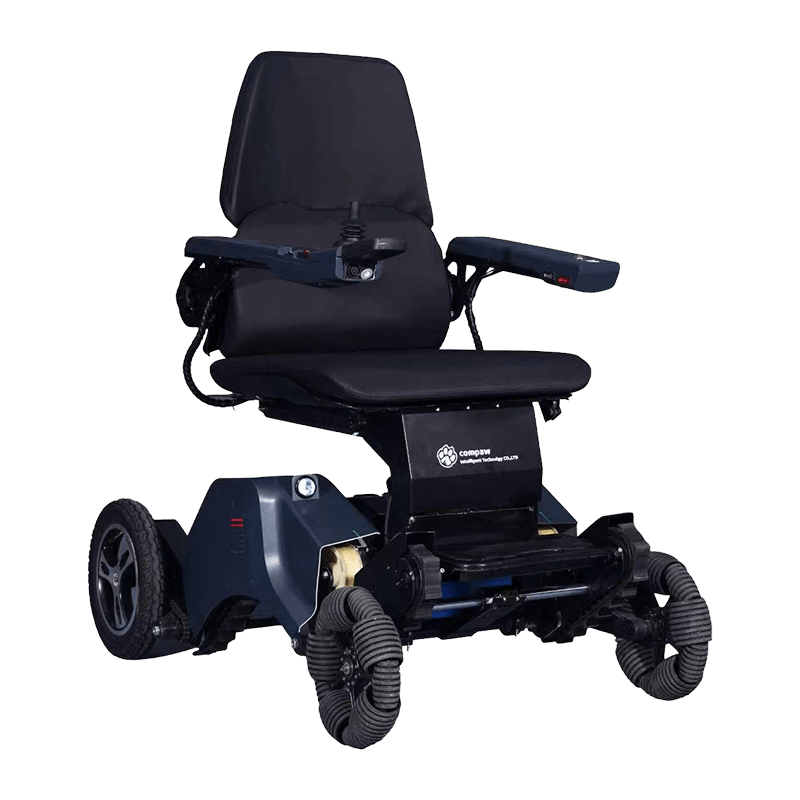
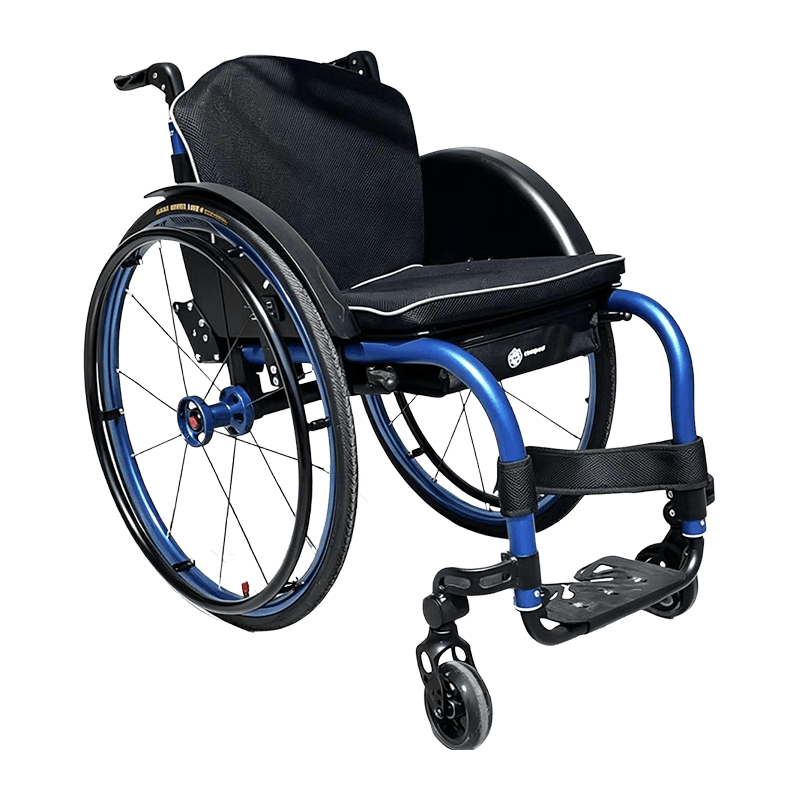
We manufacture walking aids, patient transfer aids, manual and companion push wheelchairs, electric wheelchairs, front-mounted power assist attachments, stair-climbing wheelchairs and stair climbers, daily living and self-care aids, rehabilitation and bed care aids, communication and sensory aids, and the accessory range that supports them.
Can a power assist attachment be fitted to wheelchairs we already own?
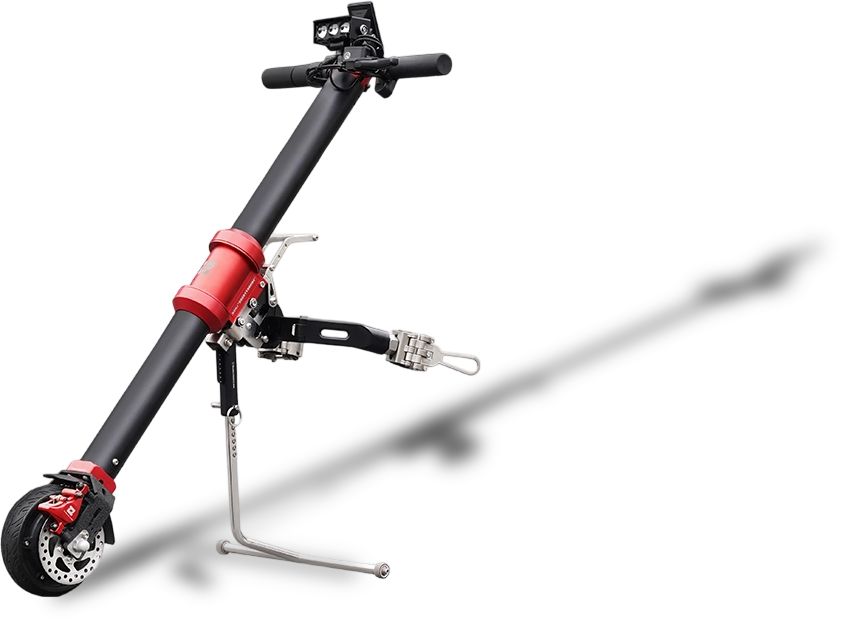
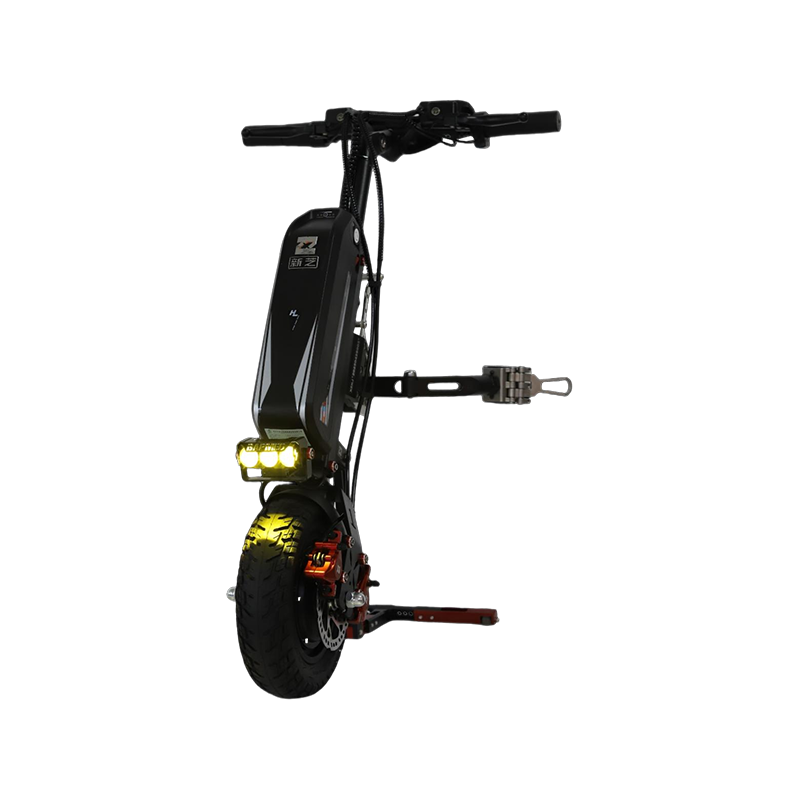
The attachment is designed for standard manual wheelchair frames and does not require modification or replacement of the chair. We confirm the tube diameter, fork clearance and folding behaviour of your existing chairs, then match the series and mount interface accordingly.
How do you handle stair-climbing requirements where buildings differ?
Stair rise, going, width, landing space and climbing angle are collected for each building type first. Tracked models suit continuous straight runs, while wheeled models suit tighter landings that need a step-over movement; the choice is fixed before the drive and control set is configured.
What customisation is available for our market?
OEM and ODM programmes cover functional parameters, appearance design and interaction logic, including stair-climbing algorithm adaptation and intelligent drive system integration. Packaging, labelling and multilingual documentation are prepared for the destination market as part of the same package.
How is quality checked before shipment?
Incoming components, in-process assembly and finished products are all inspected, with function testing on drive, braking, battery charging, folding and locking mechanisms. Where a project specifies acceptance items those items are agreed in advance so both sides work to the same test list.
What information should be included with a project enquiry?
User group profile operating environment load and dimensions required range or number of flights control preference destination market branding requirements and expected order volumes give us enough to prepare a configuration and an accurate quotation.

 English
 русский
 Español
 Deutsch