Tracked Stair-Climbing Wheelchairs Built by COMPAW
As a Custom Tracked Stair-Climbing Wheelchair Manufacturers, Factory, we match product configuration to the application, operating limits, interfaces and acceptance criteria defined for each project.
SUZHOU COMPAW INTELLIGENT TECHNOLOGY CO., LTD. manufactures tracked stair-climbing wheelchairs as part of a wider accessible mobility and smart home portfolio. Our manufacturing core rests on 25+ years of mature experience, a 50,000 m² modern factory, more than 300 employees and 100-ton production capacity, with over 70% of output exported to global markets.
These machines move a seated user up and down stairways on a continuous track drive, so a caregiver is not lifting the full load. We build them for hospital rehabilitation departments, nursing homes, home-based elderly care, rental and community service operators, and distributors who need a repeatable, serviceable platform rather than a one-off device.
Our Stair-Climbing Range and Where Each Type Fits
The climbing family is not one product. Stair geometry, attendant availability, user weight and duty cycle decide which configuration is right, and we hold several under the same engineering group.
| Range type |
Climbing principle |
Typical application |
| Tracked stair-climbing wheelchair |
Continuous rubber track driven by a geared motor, with the track following the stair nosing |
Steep or narrow stairwells in hospitals, care homes and residential blocks; seated patient transport |
| China Wheeled Stair-Climbing Wheelchair Manufacturers |
Wheel-cluster or lifting wheel sequence that steps from tread to tread |
Straighter flights, tighter landings, users who also need normal flat-floor rolling |
| China Nursing Stair Climber Manufacturers |
Attendant-controlled climb with a patient transfer seat |
Care institutions moving non-ambulant residents between floors |
| Electric powered stair climber |
Motorised lift assist with extended battery pack |
Higher daily throughput, multi-floor schedules, rental fleets |
| Manual, companion push and electric wheel chairs |
Flat-surface mobility platform with adjustable seating |
Landing, corridor and room-level movement around the stair climber |
The complete climb programme sits under our China Stair-Climbing Wheel Chair Manufacturers group, which we configure around the building rather than around a single stock model.
Application Fit: Buildings, Users and Duty Cycle
A tracked machine earns its place where the stair is the obstacle and the user must stay seated. The variables that matter most in the field are stair pitch, tread depth, landing space, attendant presence and how many trips per day the unit will make.
- Hospitals and rehabilitation departments: scheduled transport between floors, cleaning between users, calibration checks and operator training.
- Nursing homes: repeated short flights, low attendant numbers, priority on slow controlled descent and secure restraint.
- Home-based elderly care: narrow flights, tight turns at the top landing, folding or compact parking positions.
- Rental and community services: fast battery swap, status monitoring, remote locking and simplified fault reporting.
- Channel partners: stable frame and drive architecture so spare parts, documentation and service training stay consistent across shipments.
Critical Specifications We Confirm Before Quoting
Configuration starts from the actual stair and the actual user. These are the points we settle with you during technical review.
| Parameter |
Why it changes the build |
| Stair pitch and step height |
Sets track length, contact geometry and the climbing angle the drive must hold under load |
| Rated load and user weight |
Determines frame section, motor torque, gearbox ratio and brake sizing |
| Descent control |
Self-locking transmission, electromagnetic brake and speed limiting work as one system |
| Battery capacity and voltage |
Fixed by trips per charge, charging window and whether packs are swapped mid-shift |
| Track compound and tread pattern |
Grip on stone, tile, timber and outdoor concrete; wear life in high-cycle use |
| Seat, backrest and restraint |
Recline range, belt type and head support for different user profiles |
| Folded and transport dimensions |
Vehicle loading, doorway clearance and storage in care facilities |
Drive, Controls and Safety Architecture
Tracked climbing succeeds or fails on control behaviour at the top and bottom of a flight. We configure the drive, brake and control electronics as a matched set so that the attendant always has authority over speed and stop.
- Brushless motor with geared reduction and a self-locking worm stage, so the unit holds position if power is interrupted.
- Electromagnetic fail-safe brake plus a mechanical parking lock for stationary loading and unloading.
- Attendant control pendant or handlebar control, with a separate emergency stop reachable without releasing the grip.
- Anti-tip geometry and a stabilising support foot that engages as the track contacts the first step.
- Current-limited ramp start and end-of-stair deceleration to reduce jerking for the seated user.
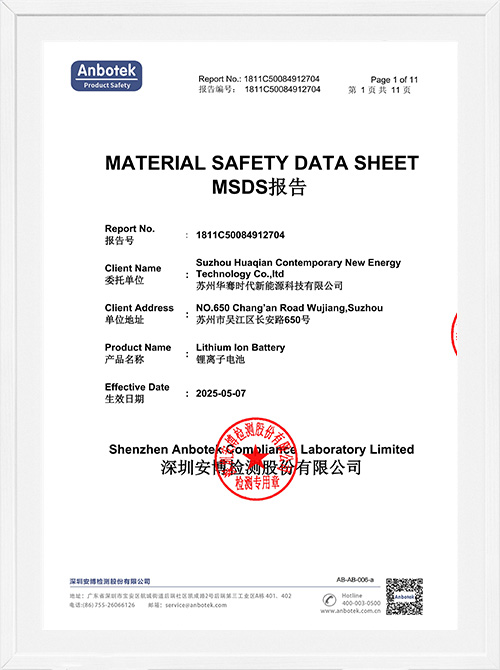
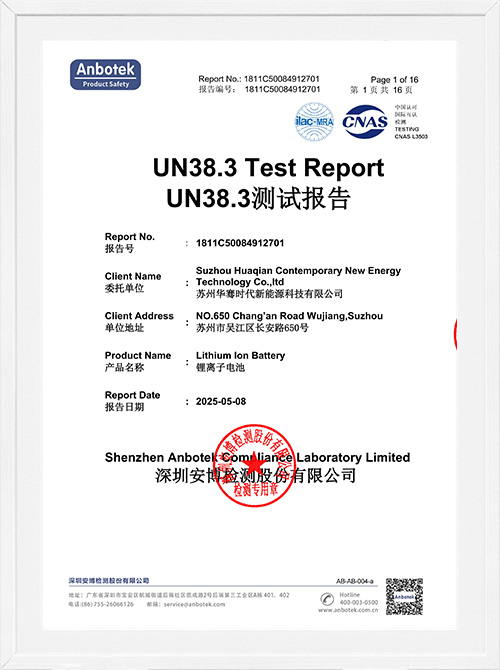
- Battery management with over-discharge, over-current and thermal protection, and a charge state indicator visible to the attendant.
Materials, Build and Quality Control
Frames are fabricated from high-strength alloy and steel sections, welded in fixtures, then cleaned and coated before assembly. Upholstery, foam and textile covers are selected for wipe-down cleaning in care environments. Our 50,000 m² facility runs full-process quality control against international manufacturing standards, from incoming material and weld inspection through motor and gearbox function testing to completed-unit climbing trials and electrical safety checks before packing.
Products in our portfolio are certified for the EU and North America markets, and our service team works with customers on localised certification adaptation where a market requires additional registration or documentation. Test records, packing lists and inspection sheets travel with the shipment so acceptance at your end is a documented step, not a guess.
Customisation, OEM/ODM and Delivery Scope
We run OEM and ODM programmes across the climbing range, covering functional parameters, appearance, colour and interaction logic. Technical engagement begins at product definition, not at the drawing release, so a private-label stair climber can be specified for a specific market without rebuilding the whole platform.
- Frame colour, branding, label set and control panel graphics.
- Climbing behaviour tuning for local stair standards and user habits.
- Battery pack capacity, charger type and plug standard for the destination market.
- Tracks, castors, restraint systems and seating variants as separate supplied items.
- Multilingual manuals, spare-part lists and troubleshooting guides for channel partners.
Delivery scope typically includes the assembled unit, battery, charger, attendant control, restraint belt set, tool kit and documentation. Spare tracks, motors, brake assemblies and control boards are supplied as separate line items so care operators can keep units in service between shipments.
Information We Use to Configure Your Solution
A tracked stair-climbing wheelchair proposal is only as good as the inputs behind it. Send these and we can commit to a configuration rather than an estimate.
- Stair sketch or dimensions: rise, going, number of steps, straight or winding, landing depth.
- User weight range and seating needs, including recline and head support.
- Attendant-operated or user-assisted operation, and expected trips per day.
- Indoor or mixed indoor/outdoor stair surfaces.
- Charging voltage available on site and preferred charging window.
- Destination market, certification route and required documentation language.
- Branding requirements, packaging format and annual volume forecast.
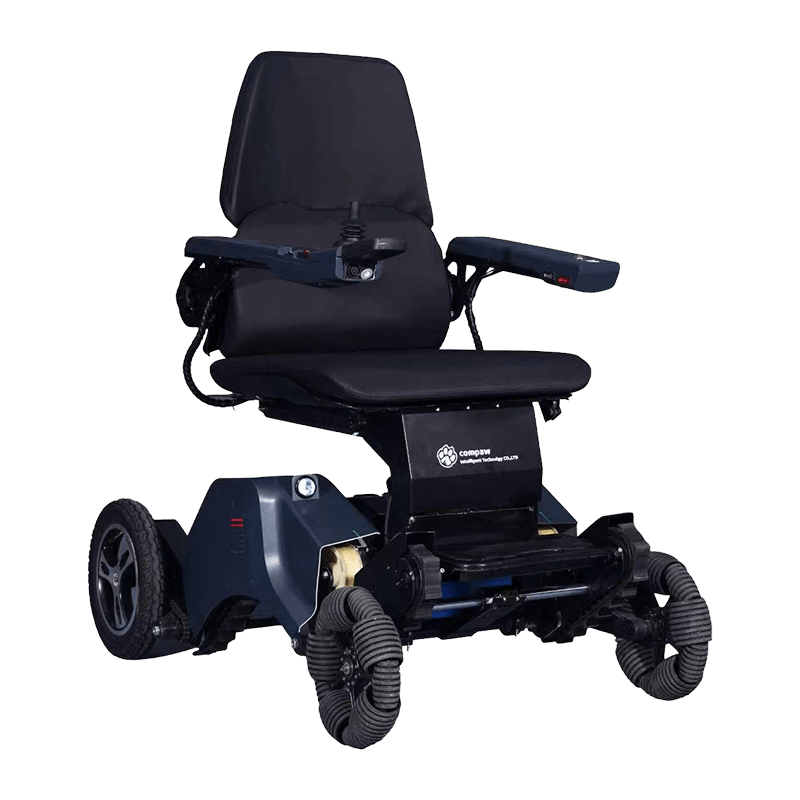
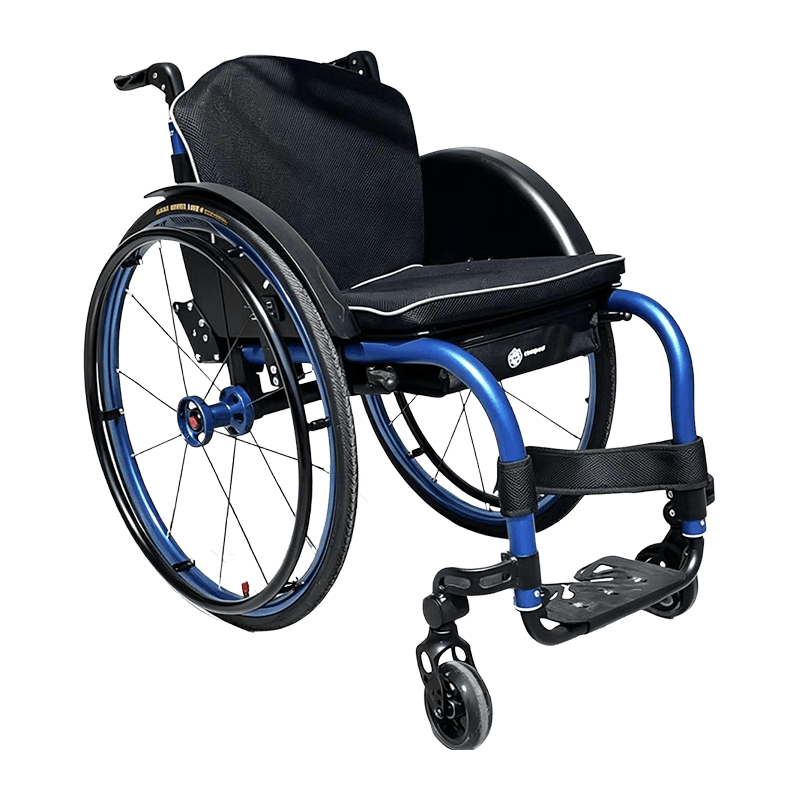
Where a project needs flat-floor mobility as well as climbing, we quote the stair climber together with chairs from our China Wheel Chair Manufacturers range so the transfer, seating and accessory interfaces match.
Questions We Answer Most Often
What stair geometry can a tracked stair-climbing wheelchair handle?
Tracked units follow the stair nosing, so they suit steeper and narrower flights than wheel-cluster designs. We size track length, contact geometry and motor torque from your measured rise, going and step count, then confirm the working angle in writing with the quotation.
How is descent kept safe if the attendant loses grip or power drops?
The transmission includes a self-locking stage and an electromagnetic fail-safe brake that applies when the control is released or power is removed. Descent speed is electronically limited, and the emergency stop sits within reach of the operating hand.
Can you build the climber under our own brand?
Yes. OEM and ODM work covers frame colour, labelling, control panel graphics, battery and charger specification, packaging and multilingual documentation. We start from the market and the building, then lock the configuration before production release.
What keeps a fleet running after delivery?
We supply tracks, motors, brake assemblies, control boards and restraint parts as separate items, together with spare-part lists and troubleshooting guides. For care and rental operators we can align documentation and training so in-house technicians handle routine service.
How long does a battery pack last in care-home use?
Runtime depends on load, stair pitch and trips per charge, so we match pack capacity and charger type to your daily schedule. Where shifts are long, we specify a swappable pack so charging happens away from the stairwell.

 English
 русский
 Español
 Deutsch