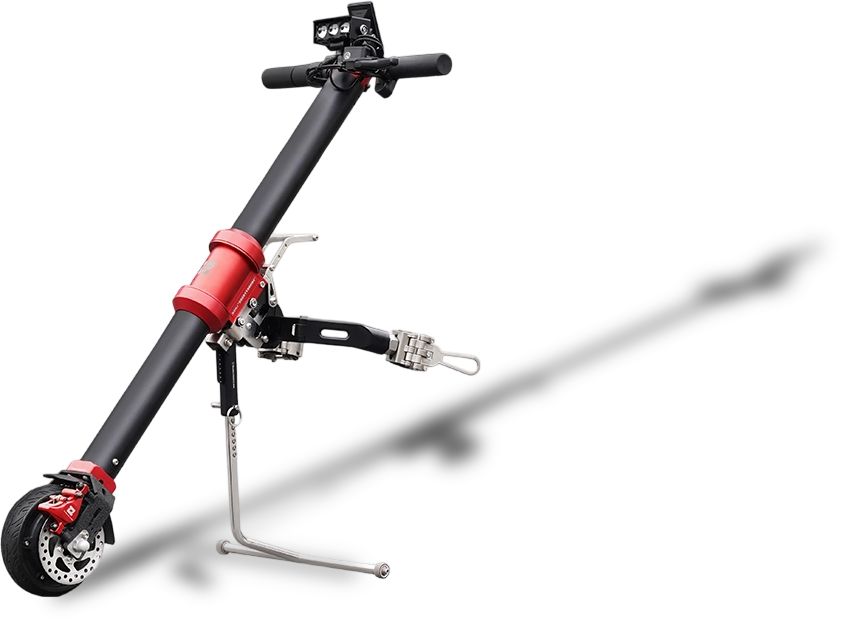
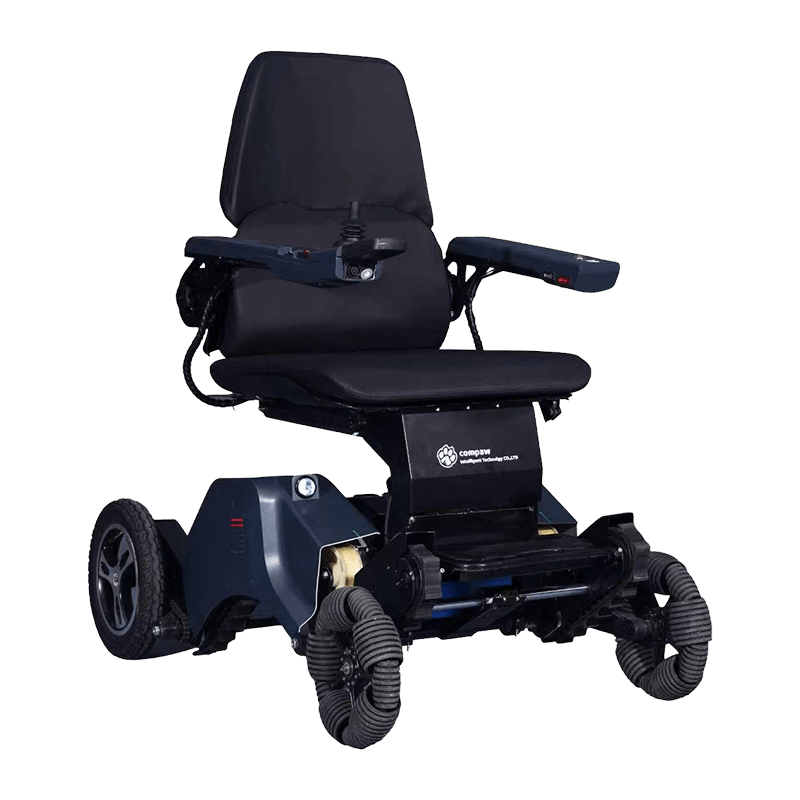
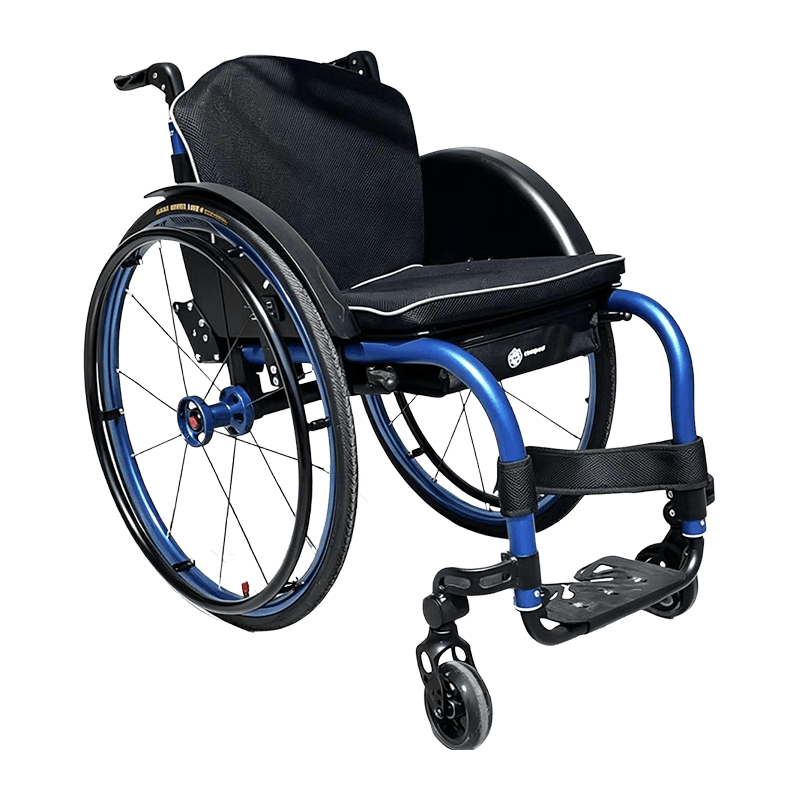
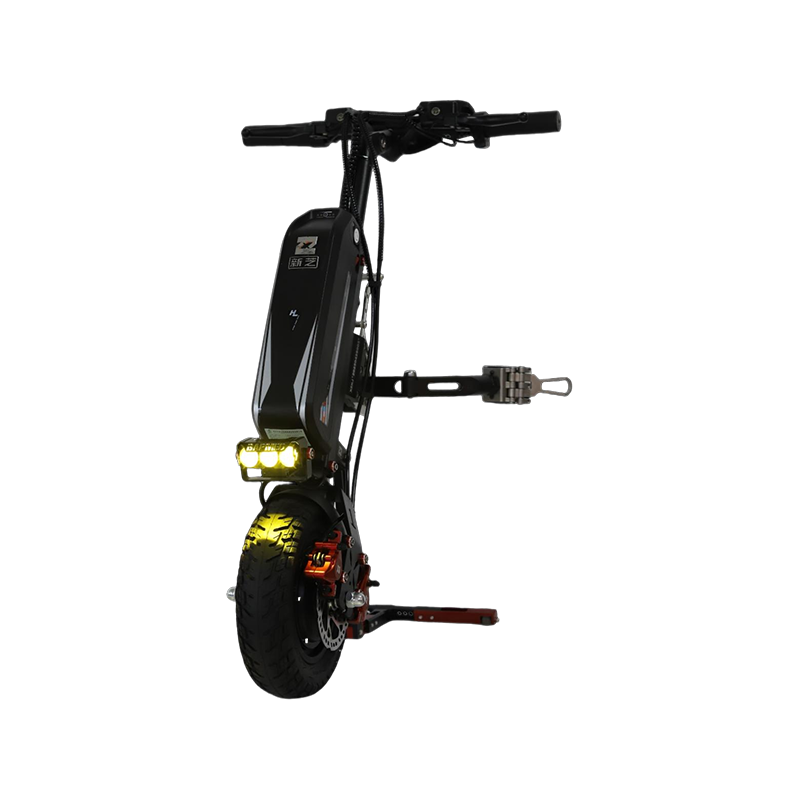
SUZHOU COMPAW INTELLIGENT TECHNOLOGY CO., LTD. develops, manufactures and exports intelligent rehabilitation aids, accessible mobility devices and smart-home equipment from our 50,000 m² production base in Wujiang District, Suzhou. Patient transfer aids sit inside that matrix alongside our wheelchairs, stair-climbing wheelchairs and wheelchair power attachments, and they serve the same customers: hospital rehabilitation departments, nursing homes, home-care providers, distributors and commercial operators. As China Patient Transfer Aids Manufacturers, we build each order around the transfer task, the user's body data and the care environment rather than a fixed catalogue specification.
Transfer Aids in Our Accessible Mobility Portfolio
As a Custom Patient Transfer Aids Manufacturers, Factory, we match product configuration to the application, operating limits, interfaces and acceptance criteria defined for each project.
A transfer aid is judged by what it removes from the care routine: lateral pull on a caregiver's spine, the risk of a slipping grip, and the number of staff required for one movement. Our transfer range is therefore organised by movement type — seated-to-standing, lateral repositioning in bed, bed-to-chair or chair-to-toilet, and short-distance transport — so that a facility can standardise one workflow at a time.
- Belts and ambulation slings for standing support, gait guarding and fall recovery after a slip.
- Slide sheets and transfer sheets for low-friction repositioning where the patient cannot bear weight.
- Transfer and sliding boards for bridging a bed, wheelchair, trolley or vehicle seat.
- Standing and turn-assist units where a single caregiver must manage a sit-to-stand transfer.
The same equipment family is also referenced from our adjacent ranges — China Walking Aids Manufacturers for gait training, and China Bed Care Aids Manufacturers for in-bed positioning — because transfers rarely stop at one stage of care.
Transfer Aid Families We Supply
The table below shows how each family maps to a transfer task and which parameters drive the configuration.
| Transfer aid family |
Typical transfer task |
Structural focus |
Configuration variables |
| Transfer and ambulation belts |
Standing support, gait guarding, lifting a fallen patient |
Woven polyester webbing, reinforced stitching, quick-release buckle |
Belt width, handhold loop count, buckle type, laundering tolerance |
| Slide sheets and transfer sheets |
Lateral repositioning in bed, bed-to-trolley movement |
Low-friction nylon or coated fabric, reinforced grip zones |
Sheet length and width, handle positions, wash temperature |
| Transfer and sliding boards |
Bed-to-wheelchair, wheelchair-to-seat bridging |
Moulded PE/PP or laminated board, bevelled edges, anti-slip face |
Board length and curvature, cut-out format, working load class |
| Standing and turn-assist aids |
Sit-to-stand support, toileting transfer |
Aluminium or steel frame, adjustable column, knee pad |
Height range, footprint, castor and brake type, knee-pad width |
| Powered lift and stand assist |
High-dependency transfers handled by one caregiver |
Linear actuator, battery pack, handset control |
Stroke length, control interface, charger format, cell chemistry |
Materials and Construction for Care Environments
Transfer equipment lives with disinfectant, laundry cycles and body weight, so material selection usually matters more than the shape of the product. We work from the cleaning protocol backwards: fabrics that accept the facility's wash temperature and chemistry, frames that tolerate wipe-down agents without coating failure, and fasteners that resist loosening under repeated load reversal.
- Aluminium alloy and welded steel tube frames with powder-coated or anodised finishes.
- Polyester webbing with bar-tacked or box-X reinforced stitch patterns at every load point.
- PU-coated or silicone-treated fabrics for low friction and moisture resistance.
- Moulded PE/PP boards with radiused edges and a textured or non-slip surface face.
- Closed-cell EVA padding and washable covers for contact surfaces.
- Stainless or plated hardware where wet rooms and shower transfers are involved.
Critical Specifications We Configure Around
- User weight range and anthropometry: hip and chest circumference for belts, torso length for slide sheets, seat width for board and stand-assist selection.
- Transfer geometry: bed height, chair seat height and the height difference the aid must span.
- Caregiver force: whether one or two staff perform the movement, and the distance they must reach.
- Environment: wet room or dry room, disinfection method, laundry cycle, floor type and thresholds.
- Receiving equipment: the wheelchair or commode the patient transfers into, including our manual and companion-push chairs.
- Storage and transport: folded dimensions, hang points and whether the aid travels with the patient.
Working load class, belt width and board length are confirmed from these inputs; we do not publish a single rating because the appropriate value follows the transfer task and the user group.
Powered Assist and Integration With Our Mobility Range
Where a facility wants to reduce manual handling further, powered stand-assist and lift-assist units are configured with rechargeable battery drive and handset or pendant control. Battery format, actuator stroke and control layout are matched to the transfer height range and the charging routine of the care unit.
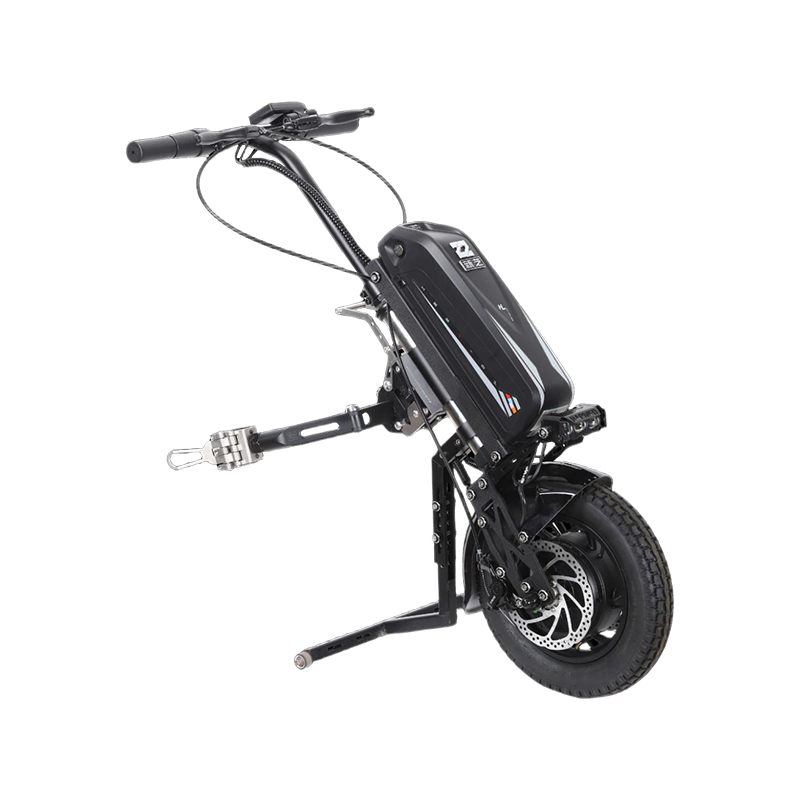
Transfer aids are also specified together with the rest of our mobility products. A patient who uses a China Ergonomic Manual Wheelchair Manufacturers chair during the day will transfer from it into bed and into a shower chair, and the same facility may pair those aids with our stair-climbing wheelchairs and SlimTough, NeoPath, Zepath, ProPath or OmniPath power attachments. Configuring the combination in one order keeps seat heights, grip heights and accessory interfaces consistent across the ward.
Quality Control, Acceptance and Documentation
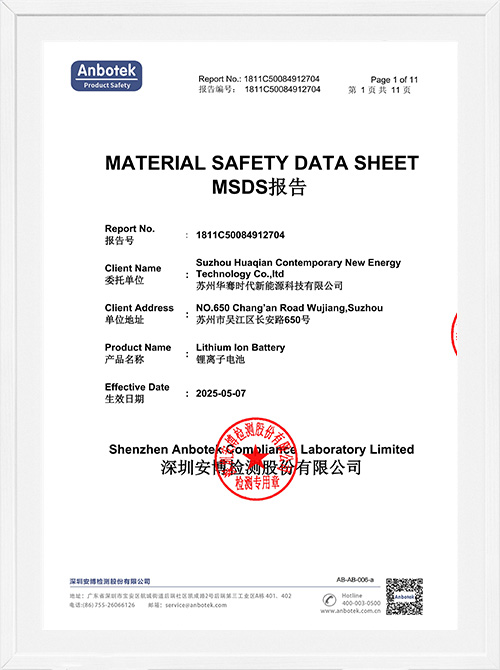
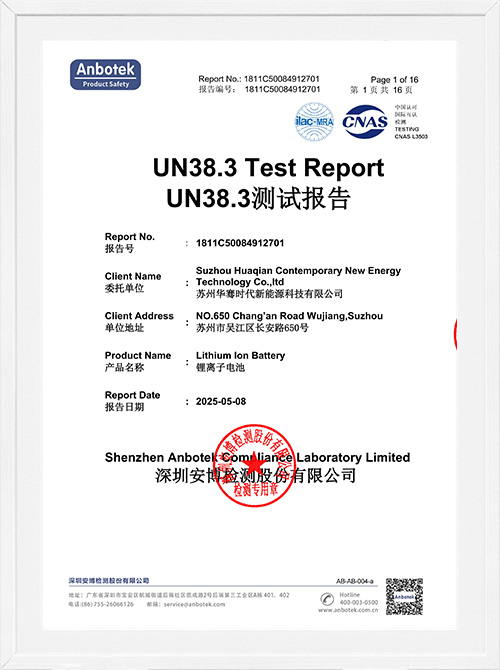
Our 50,000 m² plant, 300-strong team and 100-ton production capacity support both series production and custom runs. Full-process quality control runs from incoming material inspection through in-process checks to final inspection of finished goods, following international manufacturing standards, and our products are certified for the EU, North America and other markets.
- Incoming inspection of webbing, fabric, tubing, board stock and electrical components.
- In-process checks on stitch patterns, weld quality, frame alignment and finish.
- Final inspection of assembled units before packing, with batch traceability records.
- Compliance documentation and multilingual technical files prepared for the destination market.
Information We Use to Configure Your Solution
A transfer aid specification is complete once these points are defined. They are also the inputs our technical team uses to prepare a proposal and quotation.
- Transfer scenarios, daily frequency and the number of care positions to be equipped.
- User weight range plus hip, chest and torso dimensions for the target resident group.
- Dimensions and heights of beds, chairs, trolleys and vehicles involved.
- Caregiver staffing model, handling policy and any existing lifting equipment.
- Cleaning and disinfection protocol, including chemicals, temperature and cycle count.
- Market of use, applicable compliance route and required documentation language.
- Branding, packaging, labelling and order structure, including repeat-supply patterns.
OEM/ODM, Delivery and After-Sales Support
OEM and ODM development is handled in-house, covering functional parameters, appearance, interaction logic and packaging, with modular solutions that adapt to local user habits and market access requirements. Our export team has 25 years of international trade experience and manages pre-sales solution design, in-sales technical support and after-sales guidance, including logistics and customs workflows for the EU, North America and the Middle East.
- Operator and caregiver training material for hospital, nursing-home and home-care settings.
- Rapid spare parts supply and multilingual technical documentation for distributors.
- Remote diagnosis and online troubleshooting guidance for installed equipment.
- Equipment status monitoring and fault alerts for rental and community service operators.
Frequently Asked Questions
Can COMPAW produce patient transfer aids under our own brand?
Yes. We run OEM and ODM projects from concept to mass production, including functional parameters, appearance design, interaction logic, labelling and packaging. Private-label runs are handled on the same production lines as our standard transfer and mobility products.
Which transfer aids suit a nursing home with limited caregiver numbers?
Facilities with one caregiver per transfer usually combine a slide sheet for in-bed repositioning, an ambulation belt for standing support, and a standing or turn-assist aid for toileting. A powered stand-assist unit is specified where the resident group is largely non-weight-bearing and the transfer height range is wide.
How do you match transfer aids to our existing wheelchairs and beds?
We ask for seat height, seat width, bed height and floor conditions, then match board length, belt format and assist-unit height range to those dimensions. Where the wheelchairs come from our own range, frame geometry and accessory mounting points are known in advance, which shortens the configuration stage.
What cleaning methods can the fabrics and frames withstand?
Material selection follows the facility's disinfection protocol. We confirm the chemical agent, wipe-down frequency and laundry temperature before choosing coated fabric, webbing grade or frame finish, so that stitching, coatings and fasteners are not compromised over the service life of the aid.
What documentation and support accompany a shipment?
Orders are delivered with multilingual technical documentation, assembly and usage instructions, and maintenance guidance. Distributors also receive spare parts support, online troubleshooting material and, where required, equipment management tools for rental or community service schemes.

 English
 русский
 Español
 Deutsch