Suzhou Compaw Intelligent Technology Co., Ltd. develops, manufactures and exports intelligent rehabilitation aids, accessible mobility devices and smart home equipment from a 50,000 m² production base in Wujiang District, Suzhou. Our manufacturing core carries 25 years of mature production experience, more than 300 employees and a 100-ton production capacity, with over 70% of output shipped to overseas markets. Under this China Physical Rehabilitation Aids Manufacturers range we supply the mobility, transfer, hygiene and sensory hardware used by hospitals, rehabilitation departments, nursing homes, distributors and home-care programmes.
The range is built on one engineering base: welded and machined metal structures, high-strength alloy tube sets, brushless drive systems, sealed battery packs and controls programmed to the duty cycle of the end user. Frame geometry, drive output, seating interface, packaging and documentation are confirmed against the project before release, so a single order can mix clinical equipment, home-care items and aftermarket accessories.
What We Build as a Custom Physical Rehabilitation Aids Factory
As a Custom Physical Rehabilitation Aids Manufacturers, Factory, we match product configuration to the application, operating limits, interfaces and acceptance criteria defined for each project.
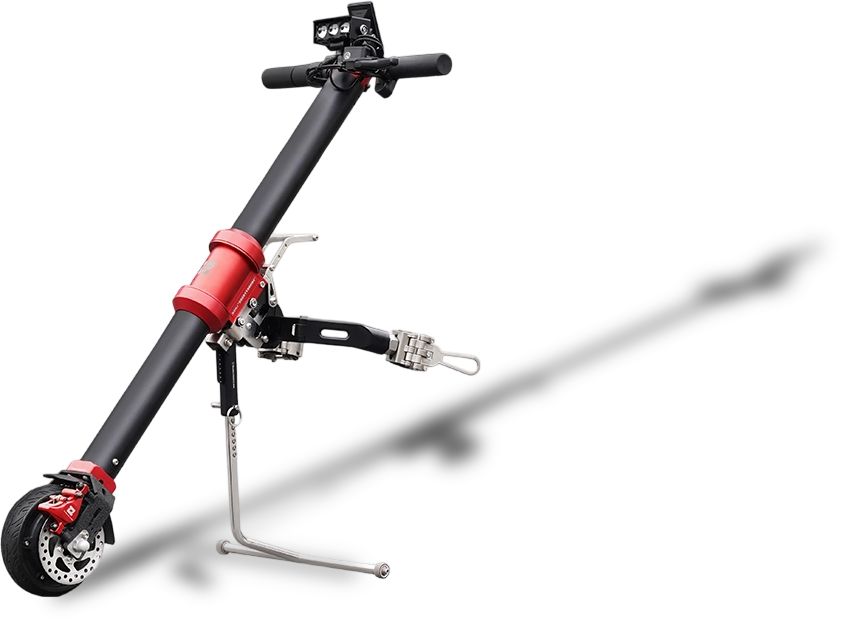
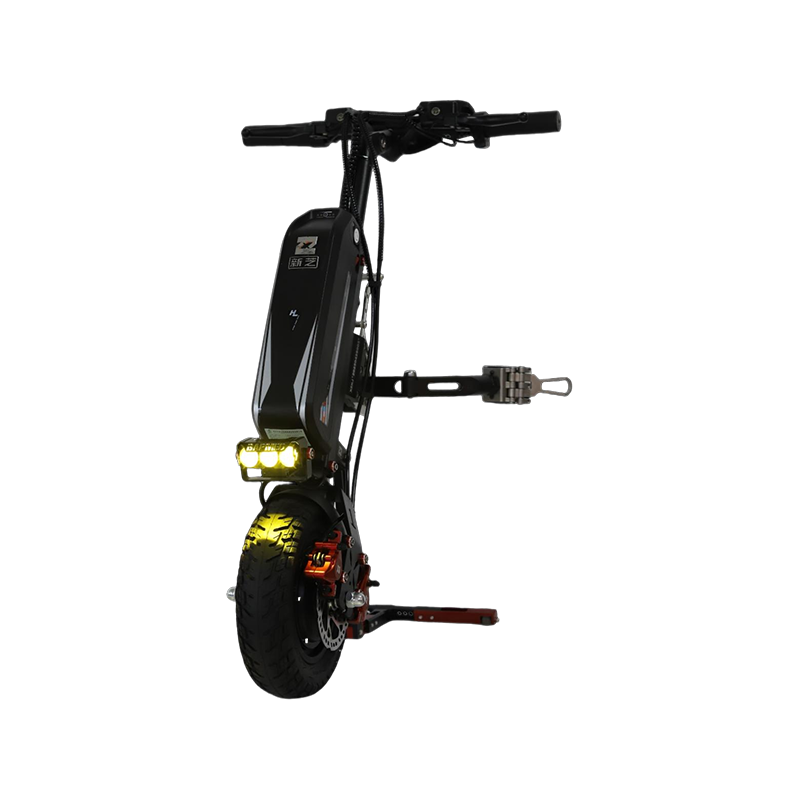
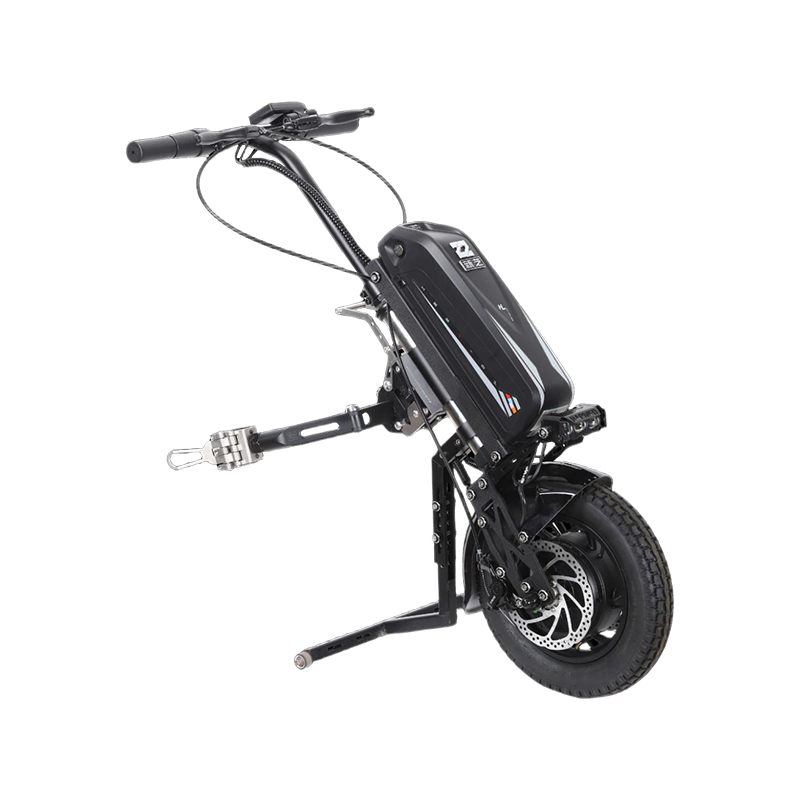
Our product matrix is deliberately layered. Powered platforms such as the SlimTough, NeoPath, Zepath, ProPath and OmniPath wheelchair power assist heads extend manual chairs; wheelchair stair-climbing robots move users and patients between floors; multi-functional wheelchairs, walking aids, transfer aids, daily-living aids, bed-care products and communication and sensory aids complete the rehabilitation chain. Accessories, batteries, chargers and service kits keep the installed base running.
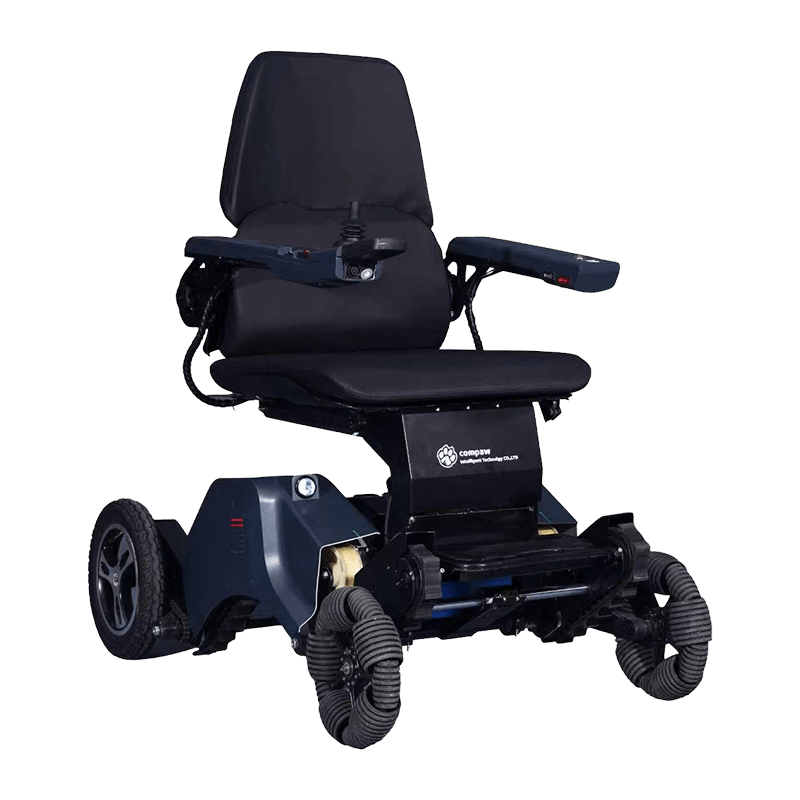
- Powered mobility: front-mounted electric handcycle attachments for manual and standard electric wheelchairs; electric wheelchairs.
- Stair and level transfer: tracked and wheeled stair-climbing wheelchairs, nursing stair climbers and electric powered stair climbers.
- Daily function: walking aids, patient transfer aids, toilet assistance aids, self-care aids and bed-care aids.
- Sensory support and spares: hearing and visual aids, wheelchair accessories and attachment accessories.
Product Range and Application Fit
| Product family |
Configurations we supply |
Typical application |
Specification inputs we confirm |
| Electric handcycle attachment |
Front-mounted power drive; SlimTough, NeoPath, Zepath, ProPath, OmniPath platforms |
Manual wheelchair users covering longer outdoor distances; rental and community fleets |
Frame width and tube diameter, mounting interface, motor output, battery capacity and range, tyre type, controller layout |
| Tracked stair-climbing wheelchair |
Tracked chassis with powered climb and attendant control |
Hospitals, nursing homes, multi-storey residential buildings |
Riser height, stair angle, clear width, landings, rated load, climbs per shift |
| Wheeled stair-climbing wheelchair |
Wheel-cluster and linkage climbing mechanisms |
Regular flights with adequate landings; assisted home use |
Step pitch, landing depth, turning radius, seat width, rated load |
| Nursing and electric powered stair climber |
Attendant-operated patient transport platforms |
Patient movement between floors in care institutions |
Patient weight, seat or stretcher interface, brake and safety arrangement, battery cycle |
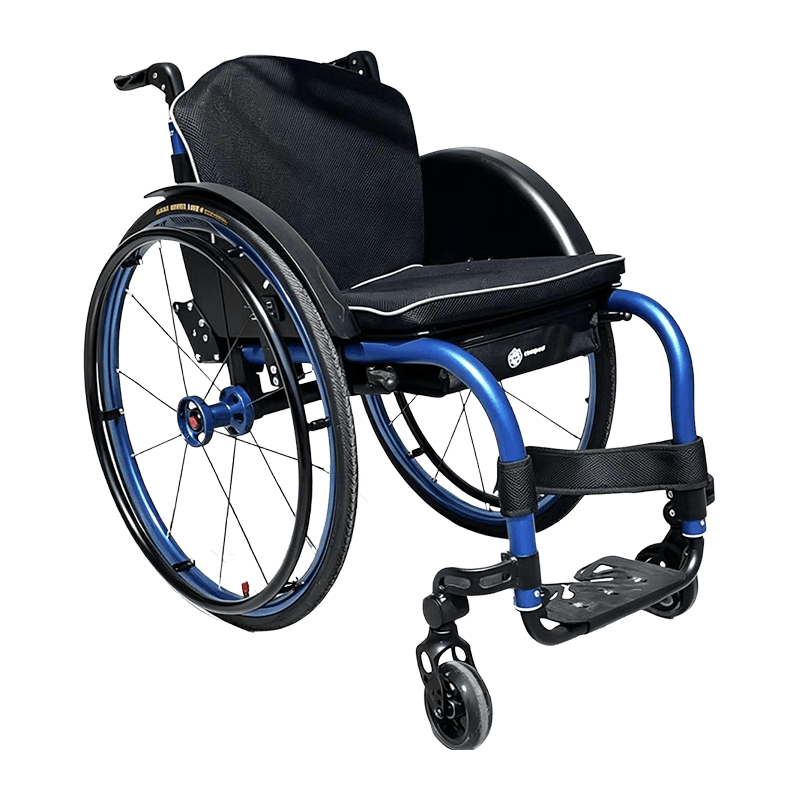
| Manual and companion push wheelchair |
Aluminium or titanium alloy frames, folding or rigid, self-propelled or attendant |
Daily indoor and outdoor use, distribution and tender programmes |
Seat width and depth, rated load, folded dimensions, wheel size, upholstery, footrest type |
| Electric wheelchair |
Battery-powered drive with joystick or attendant control |
Longer-range personal mobility, institutional fleets |
Motor output, battery chemistry and range, speed limits, controller programming, charger type |
| Mobility assistive devices |
Walking frames, rollators, patient transfer aids |
Rehabilitation departments, home recovery, ward transfers |
Height range, load rating, folding mechanism, surface finish |
| Daily living, toilet and self-care aids |
Raised seats, grab rails, reaching and dressing aids |
Institutional and home ADL support |
Mounting type, load, material, hygiene and cleaning requirements |
| Bed care and sensory aids |
Bed rails and positioning supports; hearing and visual aids |
Post-operative and bed-bound care, sensory support programmes |
Bed dimensions, fixing method, load, power supply, local compliance |
| Accessories |
Wheelchair accessories, handcycle attachment accessories, service kits |
Aftermarket support and fleet maintenance |
Compatibility list, kit contents, packing quantities |
Where Each Family Fits
Powered attachments and electric handcycle attachment platforms suit users who already own a wheelchair and need range rather than a new chair. They connect to standard frames without modification or replacement of the whole chair.
Our stair-climbing wheel chair line addresses vertical access where lifts are unavailable or impractical, while manual, companion push and electric models cover day-to-day indoor and street mobility. Walking aids, transfer aids, toilet assistance, self-care and bed-care products fill the gaps between them, and the accessory catalogue sustains long-term service.
Engineering Variables We Configure
- Structure and load path: alloy grade, wall thickness, weld quality, cross-brace layout and the rated load carried through the frame, castors and footrests.
- Drive system: brushless motor output, gearing, silent running target, climbing capability and the control curve for acceleration and braking.
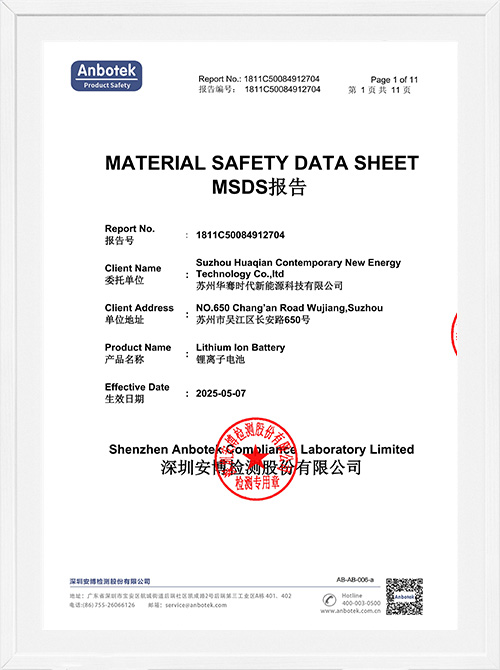
- Energy pack: battery chemistry, usable capacity, charge cycles, charger input voltage for the destination market, and the mounting position that keeps weight low.
- Human interface: joystick or hand control position, attendant control, speed limiting, anti-tip arrangement and parking brake behaviour.
- Seating and chassis: seat width and depth, backrest angle, armrest and footrest adjustment, cushion interface, folding envelope for transport and storage.
- Finish and hygiene: powder coating or anodising, sealed bearings, wipe-down surfaces and corrosion protection for coastal or high-humidity environments.
Controls, Battery and Fleet Integration
Controllers are programmed around the user group rather than left at a factory default: acceleration ramps for elderly users differ from those for active users or rental fleets. Where equipment is managed in a pool, we support status visibility, fault alerts and remote locking through the management interfaces described in our service model, so operators can see which units are charged, in use or awaiting maintenance.
Chargers, cables and battery packs are specified for the destination grid and shipping regulations. Wheels, castors, upholstery and brake assemblies in the wheel chair family are selected as a matched set, which keeps spare-part stock simple across a mixed fleet.
OEM/ODM Customisation
We run OEM and ODM programmes from market concept to mass production, covering functional parameters, appearance design and interaction logic. Typical changes include stair-climbing algorithm adaptation, intelligent drive system integration, frame geometry for a specific seating system, and exclusive product definition for home-based elderly care or rehabilitation departments.
- Modular platform changes rather than full redesigns, so validation effort stays proportionate.
- Branding, colourways, labels and multilingual manuals prepared for the sales channel.
- Accessory and spare-part lists fixed at the same time as the main product.
- Compliance adaptation agreed with the customer for EU, North American and other target markets.
Quality Control and Acceptance
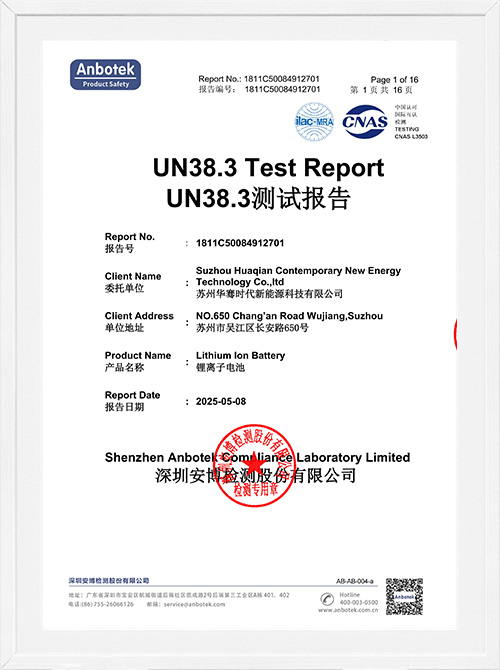
Production runs on a full-process quality system with incoming material checks, in-process inspection and functional testing before packing. Our products are certified for the EU, North America and beyond, and we work with customers on localized certification adaptation where a market requires additional documents.
- Load and stability checks on frames, footrests and climbing mechanisms.
- Battery charge, discharge and charger compatibility testing before shipment.
- Controller function and brake response verified on every powered unit.
- Pre-shipment inspection records, packing list and photographs shared with the customer.
Installation, Documentation, Maintenance and Delivery
Powered attachments ship with mounting hardware, fitting instructions and a commissioning sequence; stair-climbing models are handed over with an operator briefing on approach angle, load limits and attendant positioning. Standard delivery scope covers the product, battery and charger, tool kit, multilingual technical documentation and a spare-part list. Packaging is specified per channel — retail-ready cartons for e-commerce, reinforced export packing for container shipments.
Service support includes periodic technical inspection and equipment calibration for rehabilitation departments, remote diagnosis and usage guidance for home-care users, rapid spare-part supply and online troubleshooting guides for distributors, and operator training where equipment is shared between staff.
Information We Use to Configure Your Solution
| Project input |
Why it shapes the configuration |
| User profile, weight range and daily travel or transfer distance |
Determines rated load, drive output, battery capacity and seat dimensions |
| Existing wheelchair frame data: width, tube diameter, folding type |
Fixes the attachment mounting interface and hardware set |
| Stair geometry: riser height, angle, clear width, landings, flight count |
Selects tracked or wheeled climbing mode and platform depth |
| Facility environment: lifts, door widths, corridors, floor surfaces |
Sets turning radius, tyre specification and manoeuvring features |
| Destination market, mains voltage and compliance route |
Defines charger, plug, labelling, documentation language and certification package |
| Order mix, quantities and packaging expectations |
Determines carton design, accessory bundling and shipping consolidation |
| Service model and spare-part stock plan |
Drives the recommended spare kit, component commonality and training scope |
Frequently Asked Questions
Can you produce custom physical rehabilitation aids to our own design?
Yes. Our OEM and ODM programmes run from market concept to mass production and cover functional parameters, appearance, interaction logic and exclusive product definition. We usually start from a modular platform and adapt frame geometry, drive tuning, controls and packaging to your specification.
Which wheelchairs do your power attachments fit?
Our electric handcycle attachments are designed for ordinary manual wheelchairs and standard electric wheelchairs, connecting without modifying the chair. Send the frame width, tube diameter and folding type and we confirm the mounting hardware and controller position before production.
What information do you need to quote a stair-climbing model?
Riser height, stair angle, clear width, landing size, the weight of the person carried, daily climbs and whether the unit is user-operated or attendant-operated. Those inputs decide tracked versus wheeled climbing and the rated load of the platform.
How is certification handled for export markets?
Our products are certified for the EU, North America and beyond, and our trade team works with customers on localized certification adaptation. Multilingual documentation and compliance paperwork are prepared alongside the order.
What is included in the delivery scope?
The product, battery and charger, mounting or assembly hardware, tool kit, multilingual manual and spare-part list. Packaging is agreed per channel, from retail-ready cartons to reinforced export packing for container loads.
What after-sales support do you provide?
Periodic technical inspection and equipment calibration for clinical customers, remote diagnosis and usage guidance for home care, rapid spare-part supply and troubleshooting guides for distributors, plus operator training for shared equipment.

 English
 русский
 Español
 Deutsch