SUZHOU COMPAW INTELLIGENT TECHNOLOGY CO., LTD. manufactures daily living aids, accessible mobility equipment and smart home devices as one integrated operation covering R&D, production and global trade. Our China Daily Living Aids Manufacturers programme supplies the two families that carry most of the day-to-day load in home care, nursing homes and rehabilitation departments: toilet assistance aids and self-care aids.
Behind the range sits a 50,000㎡ modern factory with more than 300 employees, a 100-ton production capacity and 25 years of accumulated manufacturing experience. Over 70% of output is exported and annual turnover exceeds 100 million RMB; products are certified for the EU and North America markets, and the same lines build the wheelchair power assist heads, stair-climbing robots and multi-functional wheelchairs in our China Accessible Mobility Machine Manufacturers portfolio.
What Our Daily Living Aids Range Covers
As a Custom Daily Living Aids Manufacturers, Factory, we match product configuration to the application, operating limits, interfaces and acceptance criteria defined for each project.
Daily living aids are ordered as a working set rather than a single item: a raised seat, a support frame, a dressing stick and a long-handled bathing tool frequently travel to the same care home in the same container. We organise the catalogue by care task, so one order covers a bathroom, a bedroom and a washroom without mixing supply sources.
- Toilet assistance aids — raised seats, support frames and commode-style structures that increase seating height, provide arm leverage and stabilise standing transfers.
- Self-care aids — dressing, bathing, grooming, reaching and eating tools that compensate for reduced grip strength, restricted range of motion or single-handed use.
- Configured care kits — items grouped by scenario, packed under one label and shipped with a common accessory set including feet, pads, grips and fasteners.
Range and Application Fit
| Product family |
Representative items |
Where it fits |
Main configuration variables |
| Toilet assistance aids |
Raised toilet seats, toilet safety frames, support arms, commode-style supports |
Post-operative recovery, elderly bathrooms, nursing homes, accessible guest rooms |
Seat height, aperture, armrest type, weight capacity, freestanding or floor-anchored, knock-down frame |
| Self-care aids |
Dressing and shoe aids, reachers, long-handled bathing and grooming tools, eating and drinking aids |
Home self-care, rehabilitation units, assisted-living apartments, distributor care kits |
Shaft length, grip diameter and material, tool-head geometry, folding or rigid form, set composition |
| Care kits and private-label programmes |
Bundled bathroom, bedroom and travel sets |
Distributors, pharmacy chains, e-commerce sellers, institutional tenders |
Set composition, carton artwork, instruction languages, spare-parts ratio |
Toilet Assistance Aids
These products work beside water, hard tiling and a moving user, so stability during transfer decides whether the aid is used daily or abandoned. We set frame geometry around the intended user weight and the clear space that actually exists around the toilet.
- Seating height and aperture — raised seat blocks and frames sized to the hip and knee range of the user group, with or without a front cut-out.
- Support geometry — fixed or drop-down armrests, side rails and backrests positioned for a standing transfer rather than a slide.
- Weight capacity — derived from the heaviest intended user plus a working margin, then reflected in leg section, foot-pad area and fastener selection.
- Installation method — freestanding frames that need no floor drilling, or floor-anchored versions where permanent bathroom installation is accepted.
- Freight efficiency — knock-down frames for container shipments, with assembly instructions in the required languages.
The same platform scales across seat heights and armrest combinations, which keeps our China Toilet Assistance Aids Manufacturers range coherent for catalogue and tender work.
Self-Care Aids
Self-care products succeed on handle feel and reach, because reduced hand function is usually the reason the aid is needed at all. We select grip diameter, shaft length and tool-head angle against the specific task rather than an average user.
- Dressing and footwear aids — sock and shoe helpers, button hooks and dressing sticks.
- Bathing and grooming aids — long-handled sponges, washing straps and body-care tools for seated use.
- Reaching aids — pick-up tools with magnetic or jaw tips, folding for travel sets.
- Eating and drinking aids — built-up and angled handles that reduce wrist rotation.
Our China Self-Care Aids Manufacturers range can be supplied as individual SKUs for replacement demand or combined into scenario kits for distributors and care providers.
Materials, Hygiene and Durability
Material selection in this category is driven by moisture, cleaning chemicals and repeated load rather than appearance. Frames are typically aluminium alloy, finished by anodising or powder coating, with stainless steel fasteners at joints exposed to water; seats and load-bearing shells use engineered PP or ABS grades, and grips use TPR or TPE for secure wet-hand friction.
- Wide, replaceable rubber or TPE feet that spread load and resist slipping on tiled floors.
- Smooth, crevice-free surfaces that tolerate routine disinfectant wiping, with seat shells shaped to drain.
- Serviceable wear parts — feet, pads, grips and armrest covers — held as spare items for the life of the programme.
- Hardware and finishes chosen for humid bathrooms rather than dry indoor storage.
Critical Specifications We Confirm Before Production
| Specification area |
What we confirm with you |
Typical choices |
| Frame and structure |
Load path, joint design, tube section, folding mechanism |
Rigid or folding; freestanding or anchored |
| Dimensions |
Seat height range, aperture, width, armrest height, tool length |
Fixed or adjustable across a stated range |
| Weight capacity |
Intended user group and required safety margin |
Standard or reinforced frame variant |
| Grip and contact surfaces |
Hand function, wet or dry use, single-hand operation |
Straight, angled or moulded grips |
| Hygiene and cleaning |
Cleaning agents used, disinfection routine, institutional turnover |
Closed surfaces, drainable shells, removable pads |
| Branding and packaging |
Label, colourway, carton artwork, instruction languages |
OEM label or neutral export packing |
| Compliance evidence |
Destination market and product class |
Certification documentation for EU and North America market entry |
OEM/ODM Customization and Project Engineering
We develop daily living aids from market concept through to mass production, covering functional parameters, dimensional range, appearance, interaction logic and packaging. A modular approach keeps tooling proportionate: a new grip, seat pad or armrest module differentiates the product without redeveloping the frame.
- Scenario definition — user group, care setting, transfer method, toilet and bathroom clearances.
- Parameter setting — seat and frame dimensions, weight capacity, folding behaviour.
- Appearance and identity — colourways, label, carton artwork and instruction language set.
- Family logic — one platform scaled across sizes so your catalogue stays consistent between SKUs.
Quality Control and Acceptance
Full-process quality control runs from incoming materials to pre-shipment packing across the 50,000㎡ facility, with international manufacturing standards applied at each stage.
- Incoming inspection of tube, sheet, mouldings and hardware before release to the line.
- In-process checks at frame forming, surface treatment, assembly and adjustment.
- Function and stability verification on support products against the approved sample and specification sheet.
- Pre-shipment inspection with order-level packing checks before dispatch.
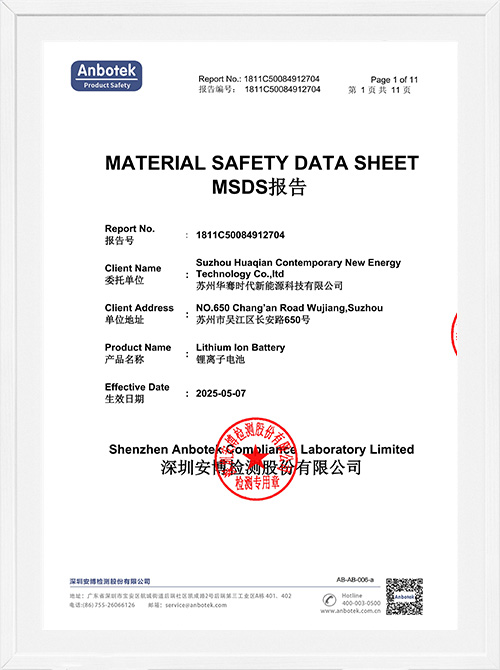
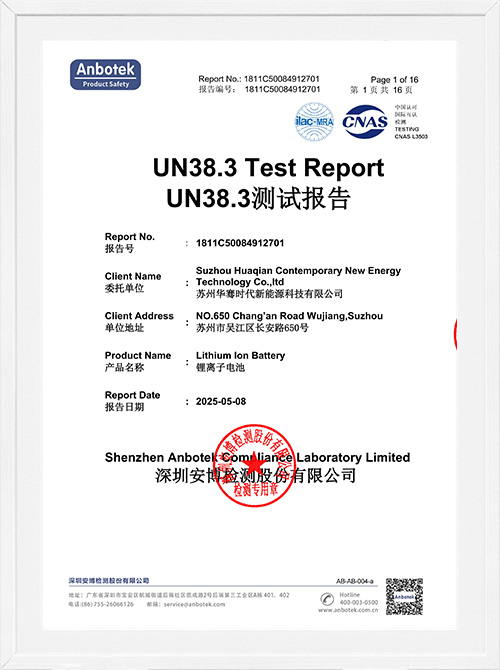
- Certification documents prepared for EU and North America market entry; buyer or third-party inspection arranged at the factory.
Information We Use to Configure Your Solution
A precise configuration and quotation depends on a short set of project inputs. The list below reflects what our technical team works through before releasing a proposal.
- User and load data — intended user weight, transfer type, level of assistance required.
- Environment — toilet and bathroom clearances, floor type, wall construction, wet-room exposure.
- Product targets — seating height, tool length, folding requirement, kit composition.
- Volume and channel — annual quantity, SKU count, private-label or neutral packaging, carton size limits.
- Market requirements — destination country, labelling language, certification and documentation needs.
- Commercial frame — target launch date, sample approval steps and delivery scope.
Packaging, Documentation and After-Sales Support
Orders ship in export cartons sized for container utilisation, with knock-down frames where the product allows, together with multilingual instruction sets, spare-part lists and troubleshooting guides prepared for the channel. Wear parts remain available for the life of the programme, and our service team supports operators through remote diagnosis, usage guidance and on-site maintenance where the project calls for it.
For hospital rehabilitation departments, disabled persons' federations and care institutions, we provide regular technical inspection, equipment calibration and operator training so equipment continues to operate reliably under daily use.
Frequently Asked Questions
What does COMPAW supply in the daily living aids range?
We manufacture toilet assistance aids and self-care aids, supplied as individual SKUs, scenario kits or private-label programmes. Both families come from the same 50,000㎡ facility that produces our accessible mobility equipment, so tooling, finishes and packaging can be aligned across an order.
Can toilet assistance aids be built for a stated user weight and bathroom clearance?
Yes. We set seat height, aperture, armrest type, leg section and foot-pad area from the intended user weight and the measured clear space around the toilet, and we confirm whether the unit is freestanding or floor-anchored before production.
Which materials suit wet bathrooms and repeated disinfection?
Aluminium alloy frames with anodised or powder-coated finishes, stainless steel fasteners at water-exposed joints, and engineered PP or ABS load-bearing parts give the best balance of mass, cleanability and service life. Grip and pad surfaces are replaceable so worn parts can be renewed without replacing the frame.
Do you support OEM and private-label daily living aids programmes?
We run OEM/ODM development from concept to mass production, covering functional parameters, dimensions, appearance, branding and packaging. Modular components keep tooling cost proportionate, which helps when a distributor needs a differentiated product across several sizes or kit configurations.
What information do you need to prepare a configuration and quotation?
User weight and assistance level, bathroom or usage clearances, the target seating height or tool length, kit composition, annual volume, destination market, labelling language and target launch date. With those inputs we can propose a frame variant, materials, packaging and documentation set.
How are orders inspected before shipment, and what documentation is provided?
Every order passes incoming material inspection, in-process checks at forming, surface treatment and assembly, then function and stability verification against the approved sample before packing. Certification documentation for EU and North America market entry is prepared with the shipment, and buyer or third-party inspection can be arranged at the factory.

 English
 русский
 Español
 Deutsch