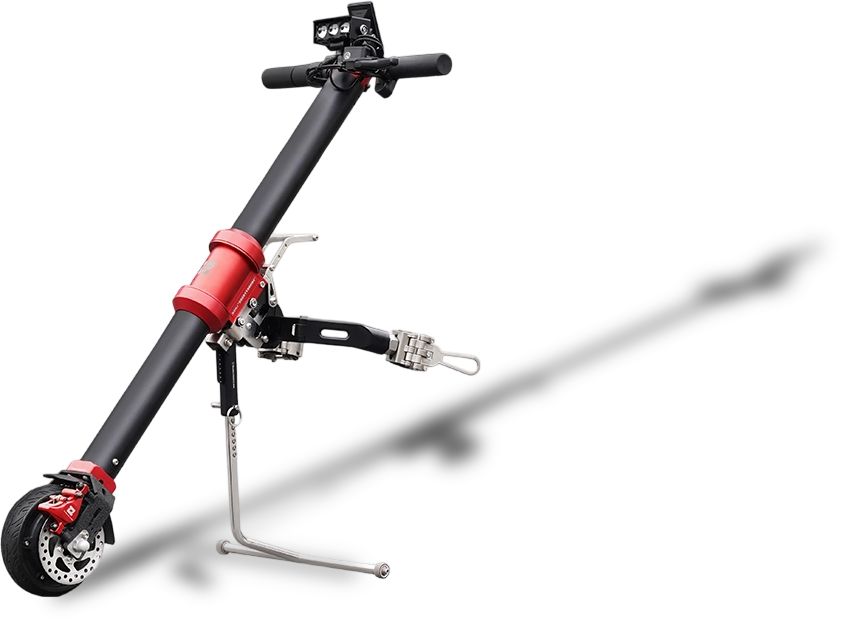
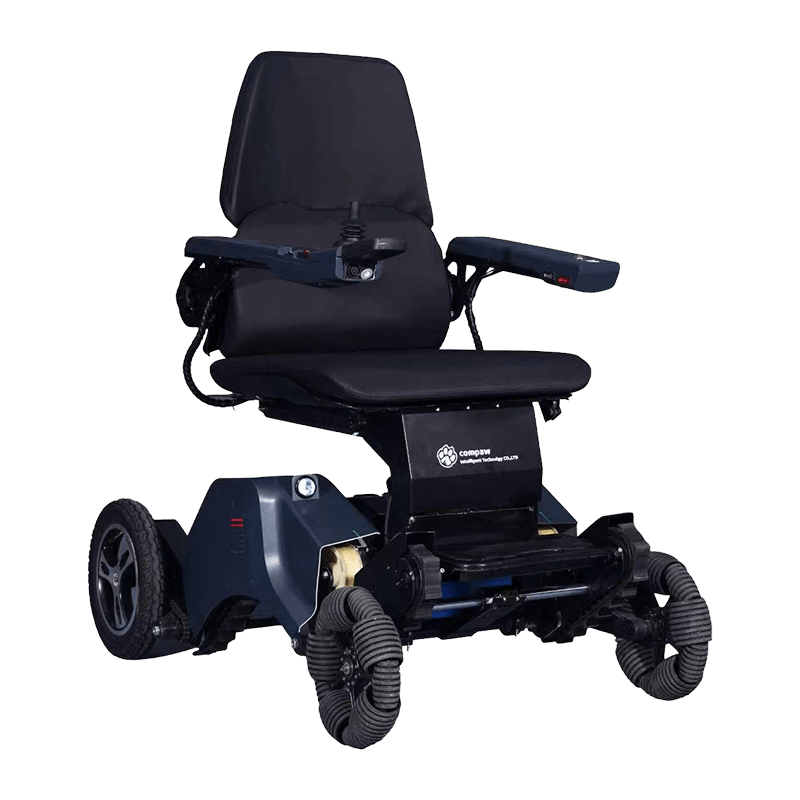
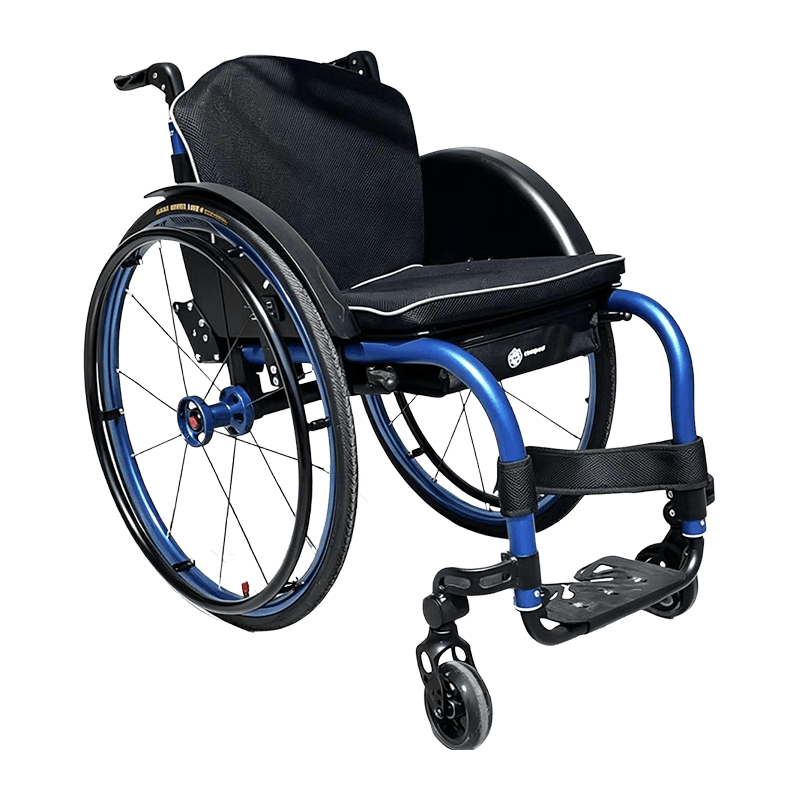
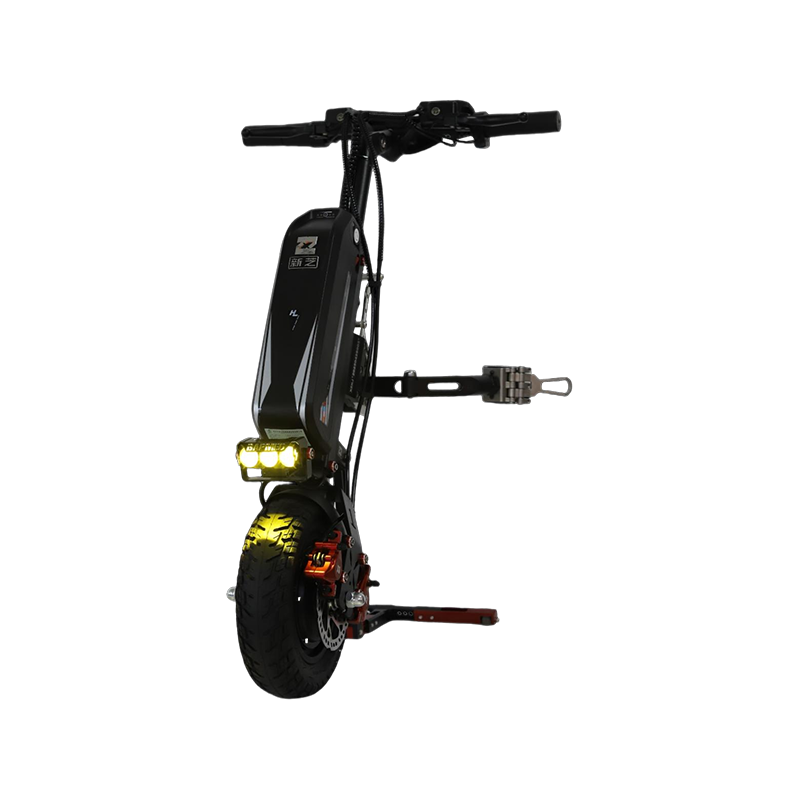
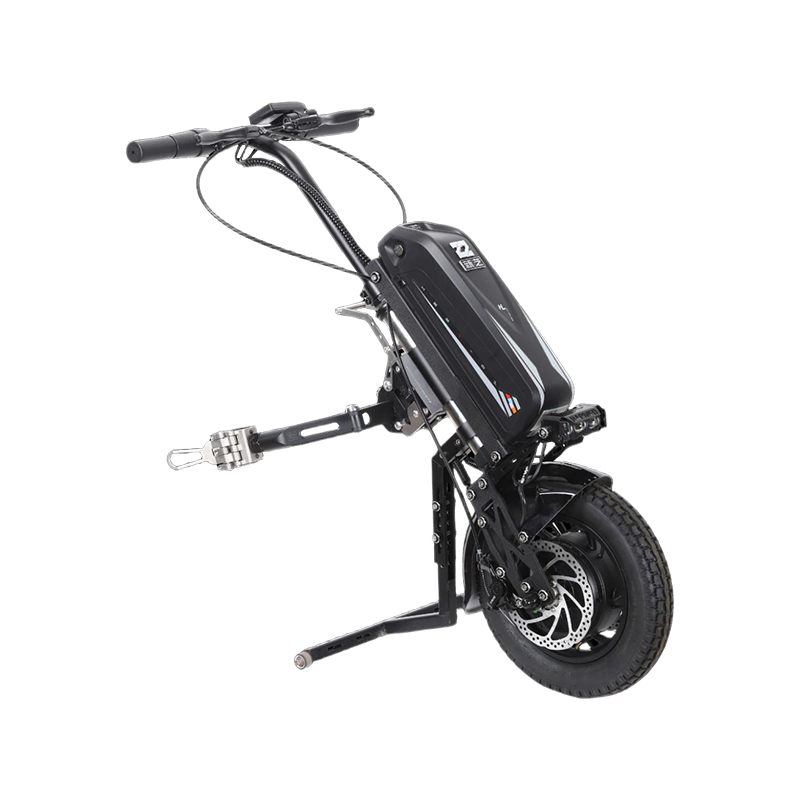
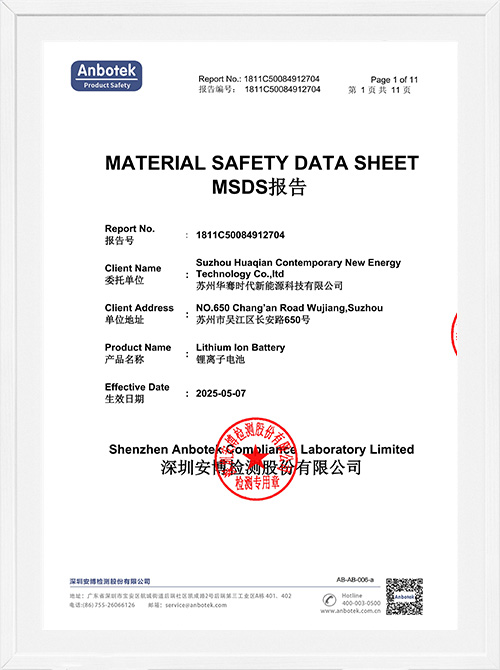
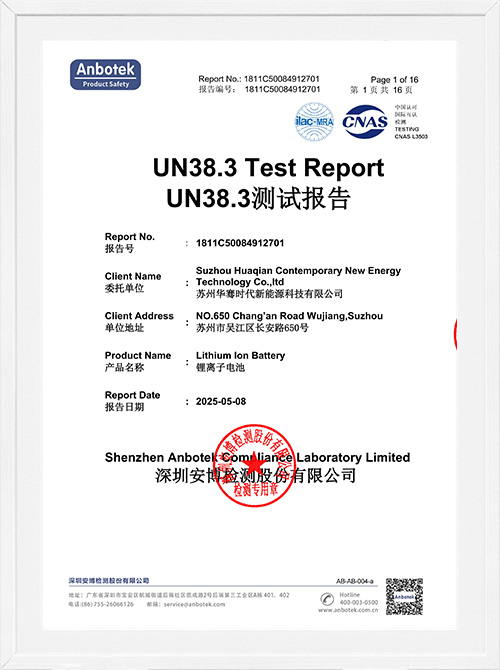
SUZHOU COMPAW INTELLIGENT TECHNOLOGY CO., LTD. designs and manufactures intelligent rehabilitation aids and accessible mobility equipment at our production base in Wujiang District, Suzhou. Nursing stair climbers sit within our stair-climbing wheelchair programme and share its drive, frame and control engineering. COMPAW is among the China Nursing Stair Climber Manufacturers supplying hospitals, nursing homes, home care providers, community services and rental fleets.
Our manufacturing core is built on 25 years of mature experience: a 50,000㎡ factory, more than 300 employees, 100-ton production capacity and an export share above 70% of output. The wider range covers China Stair-Climbing Wheel Chair Manufacturers configurations, wheelchair power assist heads, multi-functional wheelchairs and smart home equipment.
How We Position the Nursing Stair Climber Range
As a Custom Nursing Stair Climber Manufacturers, Factory, we match product configuration to the application, operating limits, interfaces and acceptance criteria defined for each project.
Nursing stair climbers carry a seated passenger between floors with a caregiver operating the device. We build them on tracked and wheeled chassis platforms, so a care provider can match one device family to several building types instead of buying for a single stair geometry.
- Tracked configuration — continuous stair contact for controlled travel on steep or narrow stair cores.
- Wheeled configuration — a lighter chassis for tight landings, narrow doorways and transport between buildings.
- Shared control platform — caregiver handle, drive governance and battery management drawn from our stair-climbing programme.
- Seating and restraints — seat, backrest, belts and foot support arranged around the passenger's weight and posture.
Range and Application Matching
| Configuration |
Drive principle |
Typical applications |
Specification inputs |
| Tracked nursing stair climber |
Motor-driven track with continuous stair contact |
Nursing homes, hospital patient transfer, steep residential stairs |
Passenger weight range, stair angle, tread depth, landing footprint, operator reach |
| Wheeled nursing stair climber |
Wheel cluster with controlled rotation |
Home-based elderly care, low-rise housing, light institutional use |
Stair rise, floor finish, storage space, transport dimensions |
| China Tracked Stair-Climbing Wheelchair Manufacturers |
Track chassis with wheelchair seating |
Rehabilitation centres, community services, accessible transport |
Seat width, backrest angle, restraint points, battery cycle |
| China Wheeled Stair-Climbing Wheelchair Manufacturers |
Wheel cluster on a wheelchair frame |
Distributor stock, rental fleets, mixed building types |
Frame material, load rating, folding geometry, wheel size |
| Battery powered stair climber |
Electric drive for both ascent and descent |
Commercial mobility rental, shared community equipment |
Motor rating, battery capacity, charging method, fleet monitoring option |
Application Fit and Operating Environment
Stair geometry decides which chassis and seating arrangement will work. Rise, going depth, total run, landing footprint, doorway width, handrail position and floor finish are the first measurements we work from, because the same device behaves differently across a 180° landing than on a straight flight.
- Residential stairwells with tight landings and limited storage space.
- Hospital and clinic stair cores used for non-ambulatory patient movement.
- Nursing homes where passenger handling is a controlled operation rather than a manual carry.
- Stone, tile, carpet and anti-slip finishes, with indoor use and occasional threshold transitions.
Critical Specifications We Configure Around
Every nursing stair climber build starts from a working point rather than a catalogue code. We confirm the passenger range, the stair profile and the operating pattern, then select chassis, motor, battery, seating and controls to match them.
- Passenger support — weight range, body height, seated posture and transfer method.
- Stair profile — rise, going depth, angle, run length and landing footprint.
- Drive and battery — motor rating matched to slope and load, battery capacity, charging method and expected runs per charge.
- Descent governance — drive-controlled lowering so the caregiver guides and balances rather than carries the load.
- Restraints — lap and chest belts, foot support and optional head support.
- Frame and finish — alloy construction, folded dimensions, transport weight and stair surface protection.
Controls, Battery and Fleet Integration
Caregiver control is the primary interface. We configure the handle and command logic around the operators who use the device each shift, with battery state indication, low-charge warnings and a charging interface included in the electrical package.
For rental platforms, community service stations and care groups running multiple units, our service model includes equipment management backend support for status monitoring, fault alerts and remote locking, giving operators visibility of device condition without inspecting every unit in person.
Quality Control, Acceptance and Documentation
Production follows full-process quality control under international manufacturing standards, and our products are certified for the EU, North America and beyond. Each order is verified against the configuration released for production before packing.
- Function run on representative stair geometry for the ordered chassis type.
- Load check at the declared passenger weight range.
- Braking, descent governance and control response verification.
- Battery charge and discharge check, charger compatibility and plug type.
- Label, manual, packaging and accessory inspection before shipment.
Documentation typically includes an operating manual, multilingual technical documentation, a spare parts list and online troubleshooting guides. Where a destination market requires certification adaptation, we work through the compliance steps with the customer rather than leaving the file at the port.
Information We Use to Configure Your Solution
We prepare a configuration and quotation from project data rather than an assumed building type. Sending the following information with an enquiry shortens the technical exchange considerably.
- Passenger weight range and typical body dimensions.
- Stair rise, going depth, angle, run length, landing and doorway dimensions.
- Floor finish, handrail position and any tight turns along the route.
- Operator profile and shift pattern, including whether a rotating care team uses the device.
- Storage, transport and charging conditions between uses.
- Market, language and certification requirements for the destination.
- Order quantity, branding, colour and labelling requirements.
- Spare parts, service and training expectations for the fleet.
OEM/ODM Programmes and Project Support
We provide OEM/ODM full-cycle customisation from market concept to mass production, covering functional parameters, appearance design and interaction logic. Stair-climbing algorithm adaptation and intelligent drive system integration are handled by our technical team during the product definition phase, with modular solutions keeping the platform adaptable to local user habits and market access standards.
Project support spans pre-sales solution design, in-sales technical support and after-sales operation guidance, including logistics, customs and compliance adaptation for the EU, North America and the Middle East. Channel customers can draw on rapid spare parts supply, multilingual technical documentation and online troubleshooting guides to build their own service capability.
Installation, Commissioning, Maintenance and Spare Parts
Despatched units arrive with the charger, restraint set, standard tooling and documentation for the ordered configuration. Commissioning covers control familiarisation, restraint fitting, the battery charging routine and safe operating practice on the customer's own stair geometry.
- Institutional care customers: periodic technical inspection, equipment calibration and operator training.
- Home care users: remote diagnosis, usage guidance and on-site maintenance arrangements.
- Rental and community operators: backend monitoring support, fault alerts and remote locking.
- Distributors: spare parts planning, documentation packages and technical escalation paths.
Frequently Asked Questions
What staircase data do you need to quote a nursing stair climber?
Rise, going depth, stair angle, total run, landing footprint, doorway width and floor finish, together with the passenger weight range and the operating pattern. From those inputs we select tracked or wheeled chassis, seat and restraint arrangement, drive rating and battery package, then release a configuration for quotation.
When is a tracked unit preferred over a wheeled unit?
Tracked chassis suit steep or narrow stair cores where continuous contact with the step edge is an advantage. Wheeled chassis suit buildings with tighter landings, frequent transport between sites, or operators who need a lighter device to move and store. Care groups with a mixed property portfolio often run both.
Can you customise a nursing stair climber for our brand and market?
Yes. Our OEM/ODM programme covers functional parameters, appearance design, colour and labelling, interaction logic, stair-climbing algorithm adaptation and drive system integration. We work from the market concept through to mass production and can prepare multilingual documentation for the destination market.
How is descent controlled during a stair transfer?
Descent is governed by the drive so the caregiver guides and balances the device instead of absorbing the passenger's weight. Controls, braking behaviour and command logic are configured during product definition, and control response and braking are included in our pre-shipment checks.
What certification documentation accompanies the equipment?
Our products are certified for the EU, North America and beyond, and orders are released with an operating manual, multilingual technical documentation and a spare parts list. Where a market needs additional certification adaptation, we cover those steps together with the customer before delivery.
What support do you offer after delivery?
Institutional customers receive periodic technical inspection, equipment calibration and operator training. Home care users are supported through remote diagnosis, usage guidance and on-site maintenance arrangements. Rental operators get backend monitoring support, fault alerts, remote locking and spare parts supply, while distributors receive documentation packages and a direct escalation path to our technical team.

 English
 русский
 Español
 Deutsch