Custom Self-Care Aids Manufactured by COMPAW
SUZHOU COMPAW INTELLIGENT TECHNOLOGY CO., LTD. develops and manufactures self-care aids and daily living aids for people with reduced mobility, alongside our wider accessible mobility and smart home equipment range. Our Suzhou plant combines 25 years of manufacturing experience, a 50,000 m² production base, more than 300 employees and a 100-ton production capacity, with over 70% of output shipped to export markets.
The self-care aids programme is organised as an OEM/ODM service. Custom Self-Care Aids Manufacturers, Factory projects move from care-task definition through tooling, sampling and pilot runs to volume shipment, so one approved configuration can be reproduced consistently across repeat orders and mixed containers.
Typical supply scope: self-care aids for dressing, grooming, hygiene, dining and reach support; complementary toilet assistance and transfer items; institutional or retail packaging; multilingual documentation; spare parts kits.
Our Self-Care and Daily Living Range
Self-care aids sit inside our daily living aids family, covering the products a user handles directly: dressing aids, grooming and hygiene items, dining support and reach extenders. The same engineering group builds toilet assistance aids, walking aids and patient transfer aids, so a care pathway can be equipped from one factory instead of several.
- Self-care aids – dressing sticks, buttoning and zipper aids, long-handled grooming tools, dining aids, non-slip mats, reach grabbers and bathroom organisation items.
- Toilet assistance aids – toilet assistance aids for washroom independence, including support structures, raised seating and rail-mounted items.
- Mobility path support – walking aids and patient transfer aids that complete the daily routine before, during and after self-care.
| Product group |
Typical application |
Main configuration variables |
| Self-care and daily living aids |
Home care, nursing home bedrooms, hospital wards |
Shaft length, hand orientation, grip diameter, folding, colour, retail packaging |
| Toilet assistance aids |
Bathrooms, washrooms, assisted-living units |
Seat height, declared load rating, mounting method, surface finish, disinfection compatibility |
| Mobility assistive devices |
Walking support, sit-to-stand, patient movement |
Frame material, height range, folded envelope, tip or caster type, brake layout |
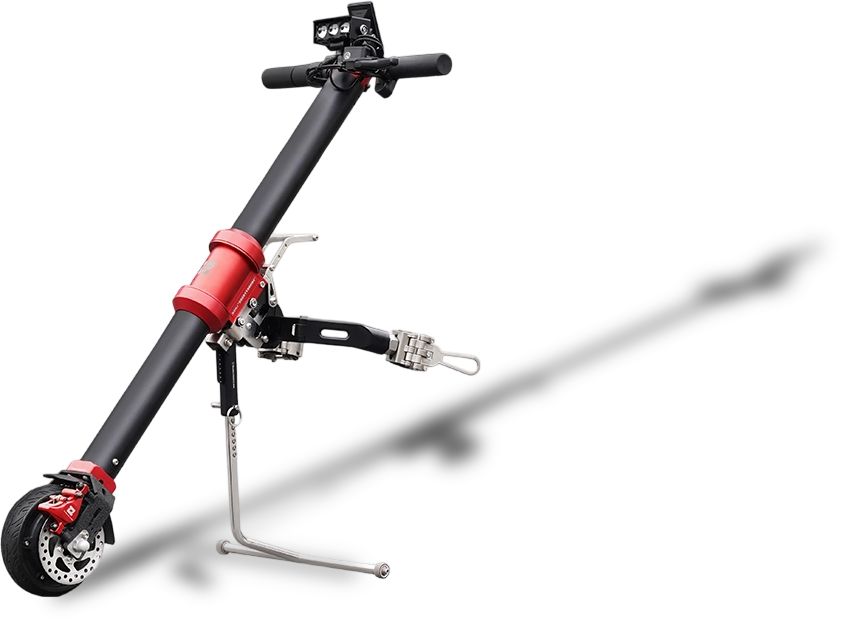
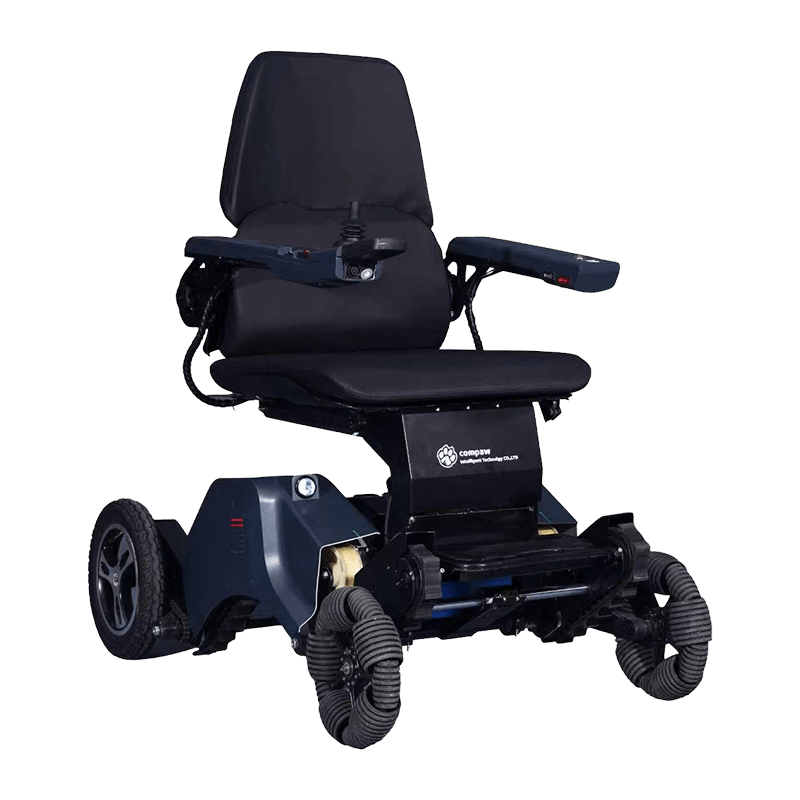
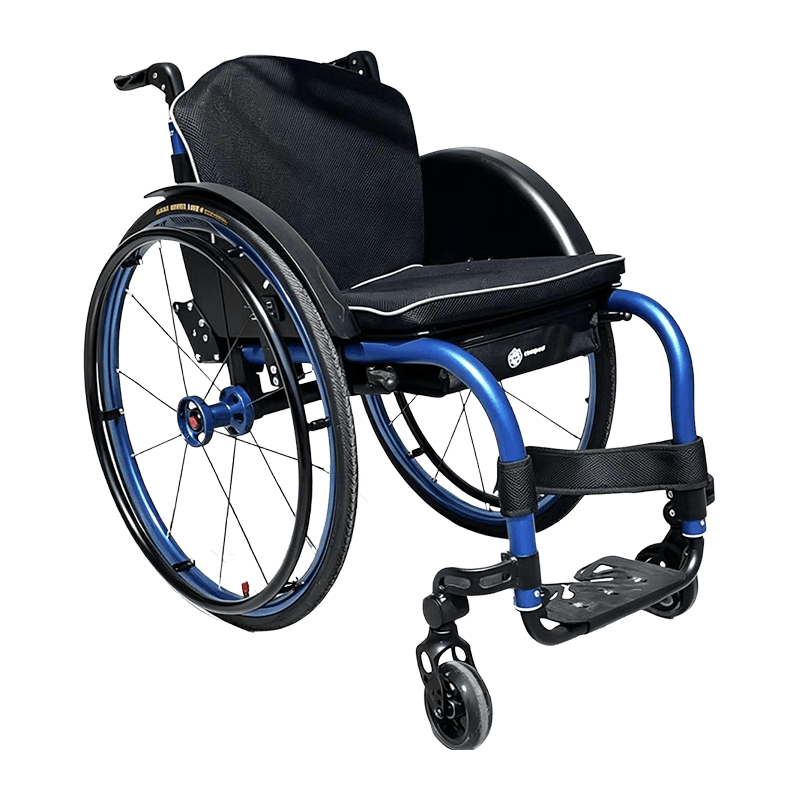
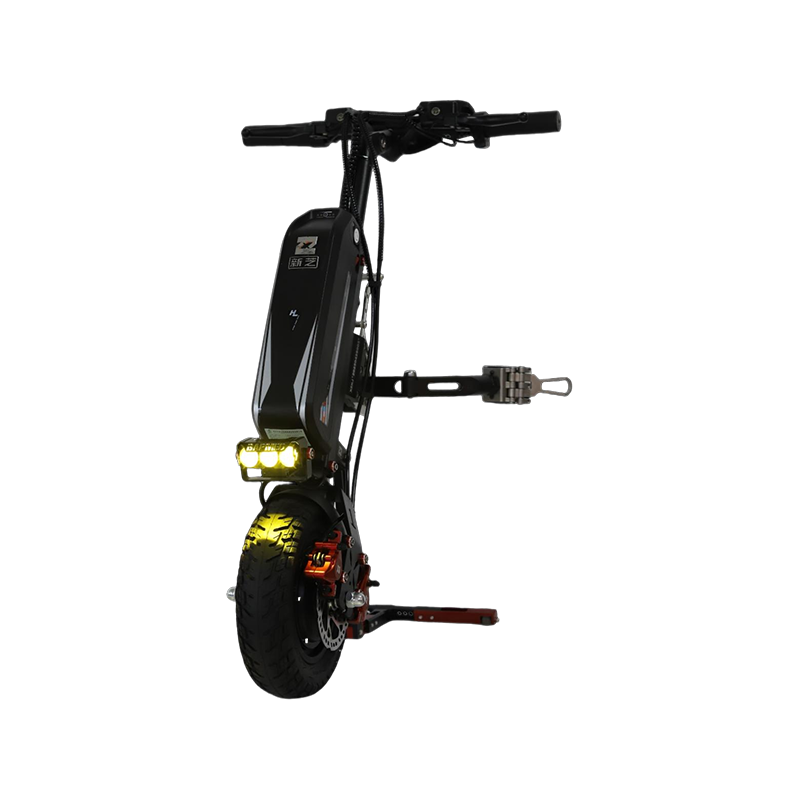
| Wheel chairs and power attachments |
Indoor and outdoor mobility, assisted manual chair travel |
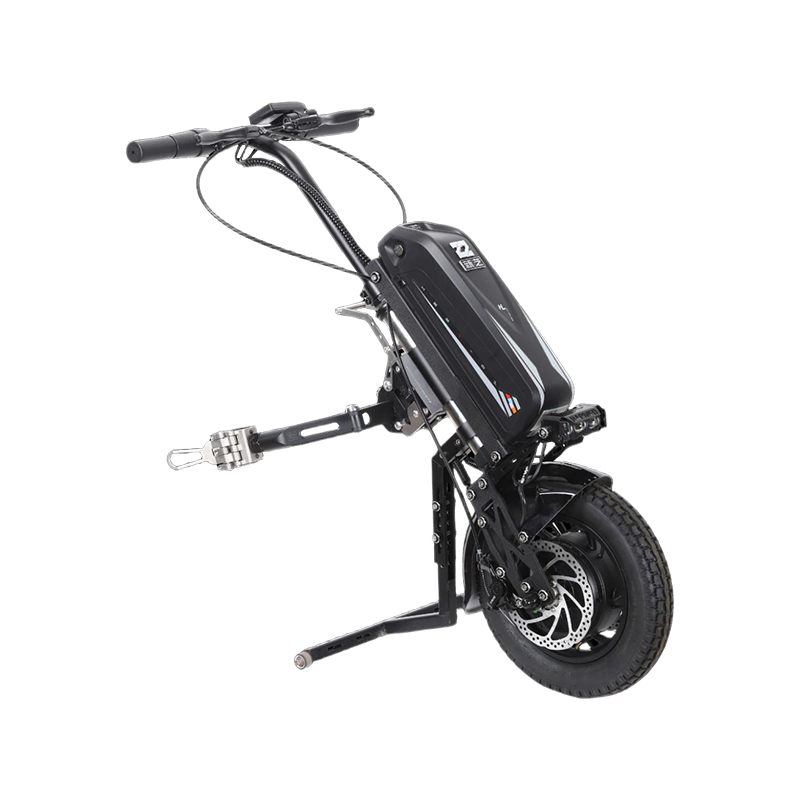
Seat width, frame alloy, battery, motor rating, controller interface, mount pattern |
| Stair-climbing wheelchairs and climbers |
Multi-level homes, nursing homes, hospitals, rehabilitation centres |
Tracked or wheeled chassis, load capacity, stair angle, battery performance, caregiver control |
| Accessories |
Replacement parts, dealer service stock, OEM kits |
Compatibility set, material grade, pack quantity, spare parts plan |
Where Self-Care Aids Fit in the Care Setting
Self-care items are used at close body contact and are judged on how easily a carer can place them, how firmly a user can hold them and how quickly they can be cleaned between users. That sets the practical design brief for each variant we build.
- Home care and family use: light weight, compact storage, simple printed guidance and neutral finishes.
- Nursing homes and assisted living: repeatable units, colour coding for resident groups, disinfectant-tolerant surfaces, easy identification of wear parts.
- Hospital wards and rehabilitation centres: batch supply with consistent dimensions, documented load ratings and traceable production lots.
- Distributors and e-commerce channels: retail-ready cartons, barcode-ready labels, market-specific inserts and mixed-SKU container loading.
Materials and Critical Specifications
Material selection follows the load path, the moisture exposure and the cleaning regime the product will meet in service. We confirm each of the following on the approved drawing before tooling begins.
- Structure: aluminium alloy or powder-coated steel, chosen against weight target, declared load rating and corrosion exposure.
- Contact surfaces: ABS, PP or TPE grips and over-mouldings; adult grip diameters commonly sit in a 25–35 mm band with anti-slip geometry.
- Joints and fasteners: stainless steel where humidity or frequent disinfection is expected; welded seams dressed and deburred.
- Cleanability: smooth, crevice-free forms that tolerate routine hospital disinfectants without colour bleed or stress cracking.
- Floor contact: replaceable anti-slip tips or rubber ferrules matched to ceramic tile, vinyl and sheet flooring.
- Declared data: load rating, overall dimensions, adjustment range, product weight, folded envelope, critical tolerances, cleaning method and wear-part schedule.
Configuration Options and Customization
Custom builds are handled through modular assemblies rather than a full redesign, which keeps sampling fast and protects the price band at volume. Tooling and colour changes are quoted against the annual quantity and the number of SKUs in the programme.
- Shaft or frame length, height adjustment range and left/right-hand versions.
- Fixed, folding or tool-free adjustable structures for storage and travel.
- Colour, surface finish, laser marking, logo placement and retail branding.
- Carton size, insert design, pack quantity, barcodes and multilingual instructions for use.
- Spare parts kits, replacement grips, tips and ferrules supplied with the first order.
Quality Control, Acceptance and Documentation
Quality control runs across the full process — incoming material checks, in-process assembly verification, function and load testing at final assembly, and package protection checks before shipment. Production lots are recorded so a delivered batch can be traced back to its material and assembly records.
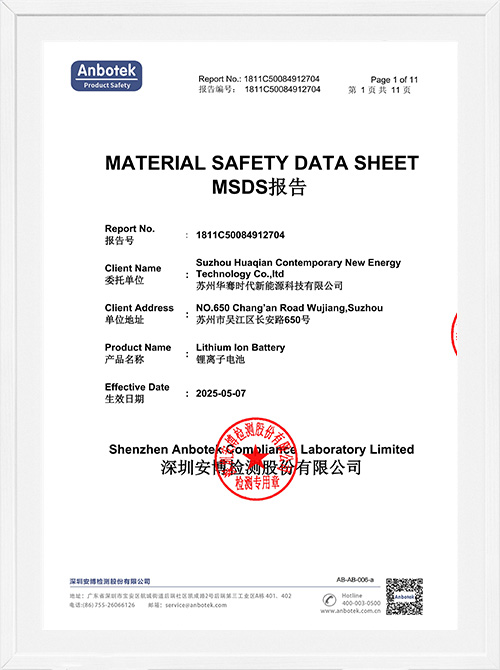
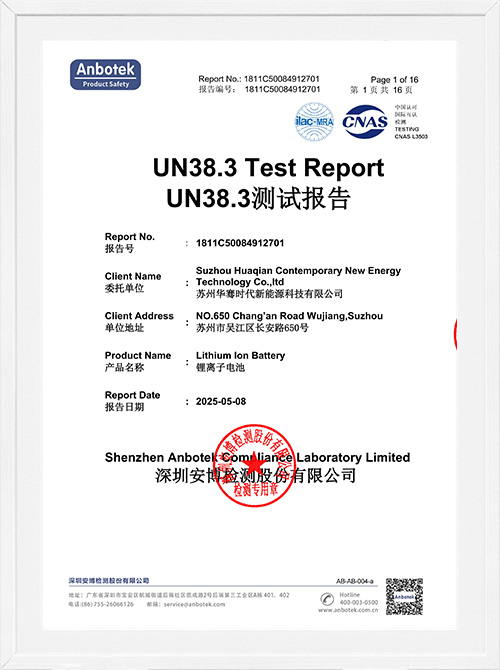
Acceptance is agreed before the run: we hold a signed sample, the approved drawing and the inspection criteria for the order. Documentation typically includes drawings, material list, inspection reports, packing list and multilingual user instructions; certification files for EU, North American and other destination markets are prepared with the order.
Installation, Maintenance and Serviceability
Hand-held and free-standing self-care aids need no specialist tools; wall-mounted items require a substrate check and the fixing schedule confirmed at configuration. We supply torque and locking guidance where the assembly includes adjustable joints.
Serviceability is designed in: grips, tips, ferrules, pads and locking elements are replaceable parts. Cleaning instructions and a wear-part schedule accompany each order so care teams can plan replacement stock rather than replacing whole units.
Packaging and Delivery Scope
Standard delivery is cartoned and palletised with inner protection for painted and polished surfaces. Export orders can be packed as retail cases, bulk institutional cartons or mixed pallets, with spare parts and accessory sets boxed separately and listed on the packing list.
Information We Use to Configure Your Solution
Our proposal is built from the working task and the market the product must enter, not from a generic catalogue selection. These inputs are enough for us to return a configuration, a tooling position and a quotation.
- Care task or activity the aid supports, and who handles it – user or carer.
- User group and body dimension range, including hand span and grip preference.
- Required load rating, product weight target and storage or transport envelope.
- Operating environment: home, ward, bathroom humidity, cleaning chemicals.
- Mounting conditions, where the item fixes to a wall, frame or fixture.
- Destination market, packaging channel and documentation language.
- Annual volume, SKU count, colour and branding requirements.
- Sample and pilot-run expectations, and the required spare parts coverage.
Frequently Asked Questions
What self-care aids does COMPAW manufacture?
We manufacture self-care and daily living aids for dressing, grooming, hygiene, dining and reach support, together with toilet assistance aids, walking aids, patient transfer aids and the wider accessible mobility range. Items can be supplied as standard variants or as custom OEM/ODM builds.
Can self-care aids be customized for our own brand and market?
Yes. We handle OEM/ODM development covering dimensions, hand orientation, folding behaviour, colour, branding, carton design and multilingual instructions. Modular assemblies keep tooling investment proportionate to the programme volume.
What information is needed to prepare a quotation?
The care task, user group, load rating, operating environment, mounting conditions, destination market, annual volume and branding expectations. With these we can confirm a configuration, sampling route and delivery scope.
How is quality verified before shipment?
Incoming material checks, in-process verification, function and load testing at final assembly, and package protection checks are carried out against the approved sample and drawing. Inspection reports and lot records accompany the shipment.
Are spare parts and replacement components available?
Grips, tips, ferrules, pads and locking elements are treated as serviceable parts and can be included in the first order or shipped as separate service kits with the packing list.

 English
 русский
 Español
 Deutsch