English
 русский
 Español
 Deutsch

Content
A front-mounted electric bike attachment can turn a manual wheelchair into something closer to a small vehicle: quicker across town, usable on gravel and grass, and far gentler on the shoulders. Chosen carelessly, the same attachment can make a chair unstable at speed, difficult to stop on a slope, and awkward to transfer out of. The difference between those outcomes is rarely the motor itself. It is whether performance and user compatibility were assessed as two separate questions — and then again as one.
The framework below is written for buyers, families and care teams who need to judge a device in a single afternoon rather than over months of ownership.
How a Power Attachment Changes the Chair
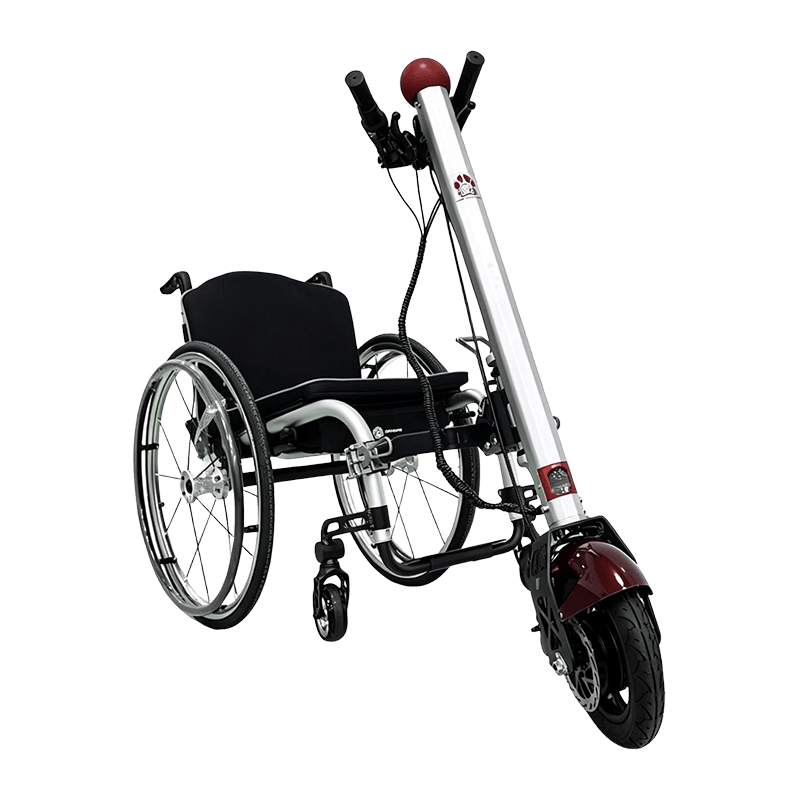
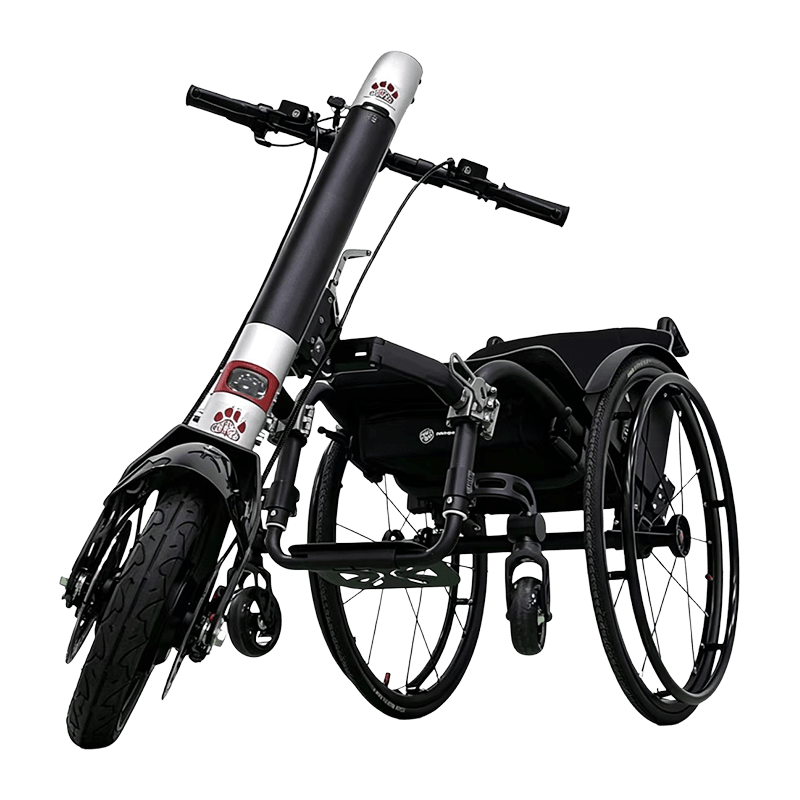
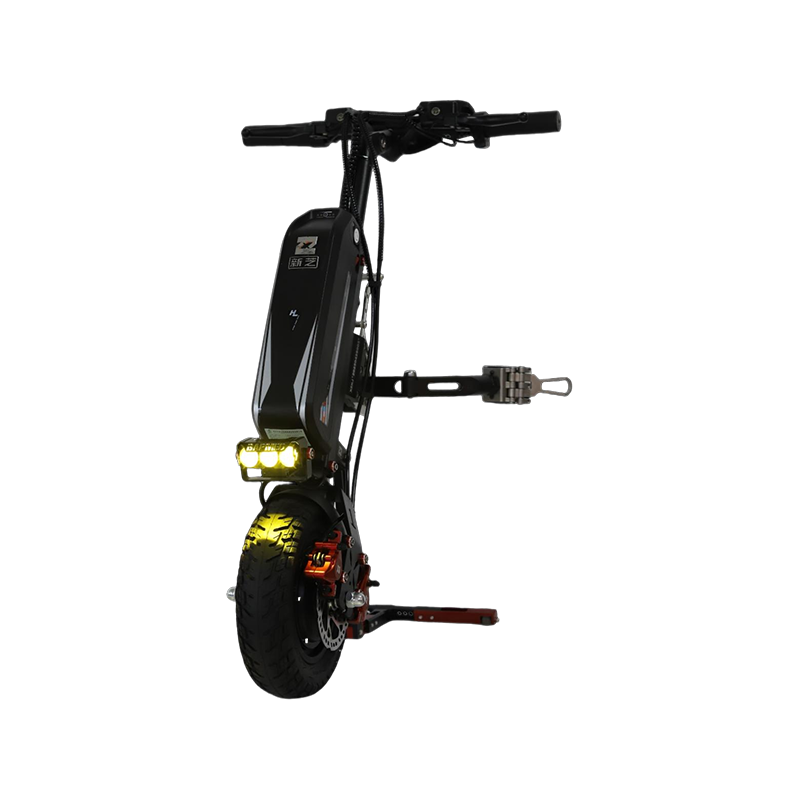
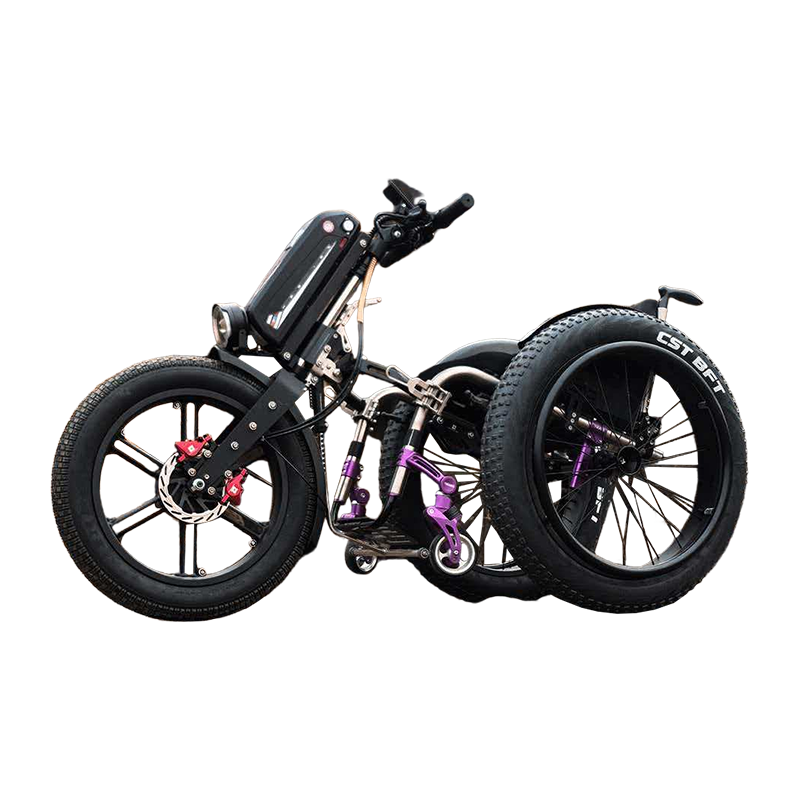
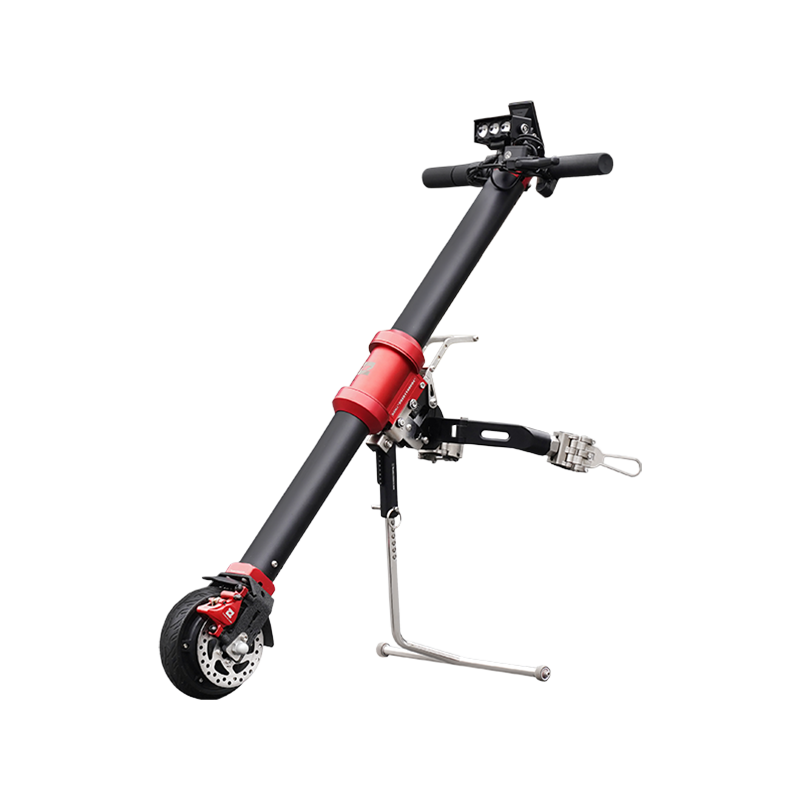
Most front-mounted systems clamp to the wheelchair frame, lift the front casters clear of the ground and drive the chair through a powered front wheel. The chair becomes a three-point vehicle, and that single geometric change reshapes almost everything behind it: weight distribution, turning behaviour, braking distance, the height and angle of the hand controls, and the effort required to lift the unit on and off.
Rear power-assist drives and add-on hub systems work differently, but the assessment questions stay the same. What changes is where you look for the answers.
Performance Assessment: What to Measure Before You Commit
Performance is the objective half of the decision. It can be measured, repeated and compared — provided you test in conditions that resemble daily life rather than a showroom floor.
Speed, torque and usable range
Published top speed and battery capacity describe a best case. What matters is sustained speed on the surfaces you actually cross, range while carrying your real weight plus shopping or luggage, and how the unit behaves as the battery drains. A drive that feels brisk at 80 percent charge can feel laboured at 20 percent, and the return leg of a journey is always the honest test.
Terrain, traction and clearance
Test loose gravel, wet paving, grass, kerbs and gentle slopes. A driven front wheel carries less weight than a rear-driven one, so traction on loose ground depends heavily on how the rider sits and how the unit is loaded. Check ground clearance over kerbs and door thresholds, and watch how the chair tracks across a cambered pavement — a constant steering correction is a warning, not a quirk.
Braking, steering and stability at the limit
Braking is the most under-tested element of any attachment. Measure an emergency stop from full speed on dry and wet ground, then repeat it downhill. Ask whether braking is motor-assisted, mechanical or both, and what happens if the battery cuts out mid-descent. Steering deserves equal attention: a short wheelbase and a small front wheel make for quick, sensitive handling, helpful in a corridor and unnerving in traffic.
Weight, removal and charging
Every attachment adds mass at the least convenient point on the chair. Time how long it takes to remove, how much it weighs in one hand, and whether it fits in the boot of the car you own. Charging routine matters too: a battery that needs a socket beside the chair overnight is a different proposition from one you can carry indoors.
| Performance dimension | What to test | Warning sign |
|---|---|---|
| Speed and response | Ride your usual route at your usual hour | Twitchy handling just above walking pace |
| Range under load | A full out-and-back trip with real weight and cargo | Figures assume a flat track and a lighter rider |
| Traction | Gravel, wet paving, grass, a gentle slope | Front wheel spins or the chair pulls sideways |
| Braking | Emergency stop from full speed, dry and wet | Stopping distance grows sharply downhill |
| Steering | Tight doorway, crowded pavement, U-turn | Wide arcs and constant correction |
| Weight and handling | Remove the unit, load it in a car, cross a kerb | Two people or a hoist are needed to move it |
User Compatibility: Matching the Machine to the Rider
Compatibility answers a different question: not what the device can do, but whether this rider can use it safely, independently and repeatedly. A unit that performs beautifully in a demonstration can still be the wrong choice for the person who has to live with it.
Transfers, mounting and dismounting
Attachments occupy the space in front of the feet, which is exactly where many transfers begin. Watch a full transfer with the unit fitted and then with it removed. If the rider needs the attachment off the chair to get in and out, a quick-release fitting moves from a convenience to a requirement.
Upper-limb function and the control interface
Handcycle-style controls assume a certain grip, reach and endurance. For riders with limited hand function, a thumb or wrist-activated layout, lighter steering effort or powered reverse can change the verdict entirely. Test the controls after twenty minutes of riding, not two — fatigue reveals more than first impressions.
Posture, seating and vibration
Raising the front of the chair changes the seat angle and shifts pressure rearward. Riders with a history of pressure injuries should reassess cushion, backrest and posture after a long ride, not just a short one. Vibration over rough ground also accumulates, particularly on longer journeys.
Vision, hearing and reaction time
An attachment increases speed, and speed shortens the time available to notice a hazard and respond. Where reaction time, vision or hearing is reduced, an adjustable speed limit and a preference for quiet routes are sensible safeguards rather than compromises.
Transport, storage and the people who help
Most attachments are managed by more than one person. A care partner who attaches, lifts and charges the unit every day should test it too. Storage space at home, the vehicle used for transport and the availability of spare parts all belong in the compatibility assessment.
| User factor | Question to answer | Practical response |
|---|---|---|
| Transfer ability | Can the rider mount and dismount with the unit fitted? | Prioritise a quick-release design or remove it for transfers |
| Arm and hand function | Can the controls be held for a full journey? | Look at thumb or wrist-activated options and lighter steering |
| Posture and seating | Does the new seat angle create pressure points? | Reassess cushion and backrest before purchase |
| Reaction and senses | Can hazards be spotted and answered at the new speed? | Cap top speed or restrict use to quieter routes |
| Support network | Can a care partner attach, remove and charge it? | Favour low weight and simple fittings |
A One-Day Trial Protocol
Bring both halves of the assessment together in a single, structured session:
- Ride the route you travel most often, at the time of day you normally travel it.
- Load the chair as you would in real life — bags, shopping, a backpack on the frame.
- Test the awkward moments deliberately: a tight doorway, a kerb, a slope, a crowded pavement.
- Practise the emergency stop until it is automatic, then repeat it on a wet surface.
- Complete a full transfer in and out of the chair with the unit fitted.
- Request written specifications — weight, range, charging time, braking type, warranty — and compare them with what you measured.
Score each item against your own priorities rather than the manufacturer's headline figures. A device that wins on speed but loses on transfers is a poor fit, however impressive the specification sheet.
Where Design Choices Meet the Assessment
Compaw builds a family of wheelchair power attachments — SlimTough, NeoPath, Zepath, ProPath and OmniPath — that map onto different outcomes of the assessment above. The differences between them are largely differences of emphasis: portability, terrain capability, comfort, and professional or off-road use.
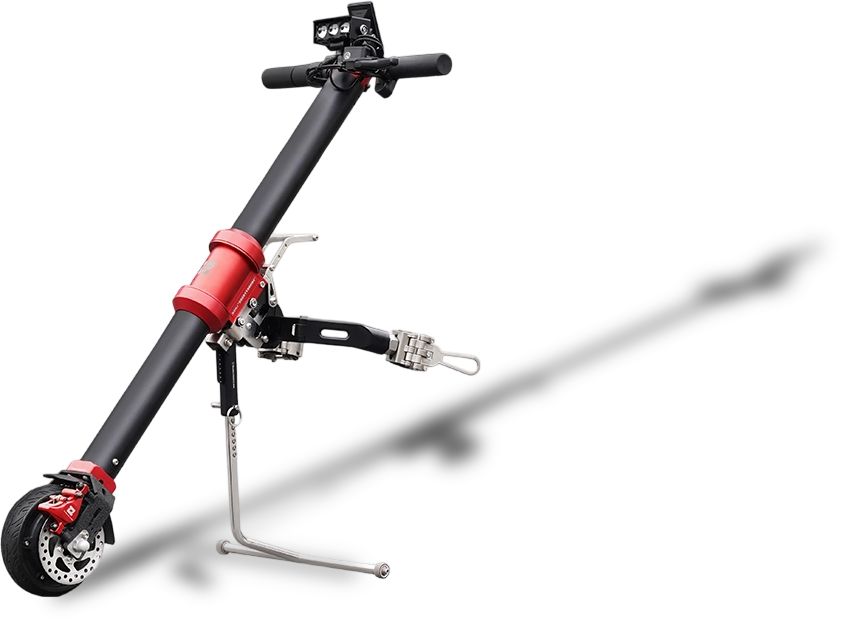
Where weight and transport dominate the compatibility picture, the SlimTough portable power attachment is positioned around quick detachment and everyday handling.
 SlimTough Lightweight Quick-Connect Wheelchair Power AttachmentA 10 kg tool-free drive head for flat paved daily routes, with quick detachment and 36 V battery options.View Product →
Where the performance test happens on gravel paths, park tracks and uneven ground, the all-terrain NeoPath addresses traction and clearance directly.
 NeoPath All-Terrain Electric Wheelchair Power AttachmentA 48 V, 350 W front drive head with 12-inch motor and 45 km range for kerbs, paving joints and packed gravel.View Product →
Where long rides and vibration are the deciding factors, the comfort-oriented Zepath places greater emphasis on ride quality.
 Zepath Comfort-Oriented Electric Wheelchair Power AttachmentA low-vibration front drive head with 48 V battery options, hydraulic disc brake and up to 100 km range for gentle daily routes.View Product →
The range is completed by the ProPath and OmniPath models, aimed at professional and off-road use respectively. Because published parameters vary by configuration, ask for the current specification sheet for the model you are considering and check it against the numbers you recorded during your trial.
For a broader view of how powered attachments change daily mobility, read how electric bike attachments expand mobility for manual wheelchair users. When you are ready to compare configurations, the Compaw team can walk you through the options against your own assessment notes.
The Bottom Line
An electric bike attachment is a good purchase when the performance test and the compatibility test both pass — and a poor one when either is skipped. Measure range, traction and braking on your own ground; test transfers, control effort and fatigue with the person who will use the device every day. Then choose the model whose emphasis matches the weaknesses you found, and insist on written specifications before you commit.