English
 русский
 Español
 Deutsch

Content
You already own a manual wheelchair. You want power for longer trips, hills, or rough paths, but you do not want to replace the chair. Two front-mounted options dominate the conversation: wheelchair electric bike attachments and power trike wheelchair attachments. The practical answer is simple. If you need to lift the attachment into a car every day and mostly ride on pavement, a lighter electric bike attachment usually wins. If stability on uneven ground matters more than portability, a power trike is often the better investment. The rest of this guide explains why, with the specs and daily trade-offs that actually affect ownership.
What a Wheelchair Electric Bike Attachment Actually Is
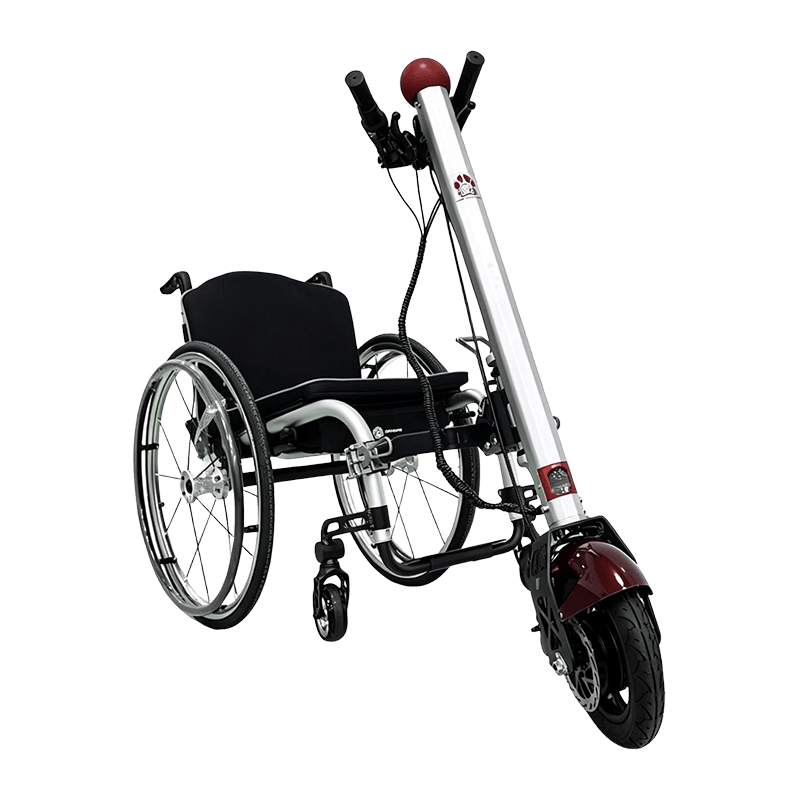
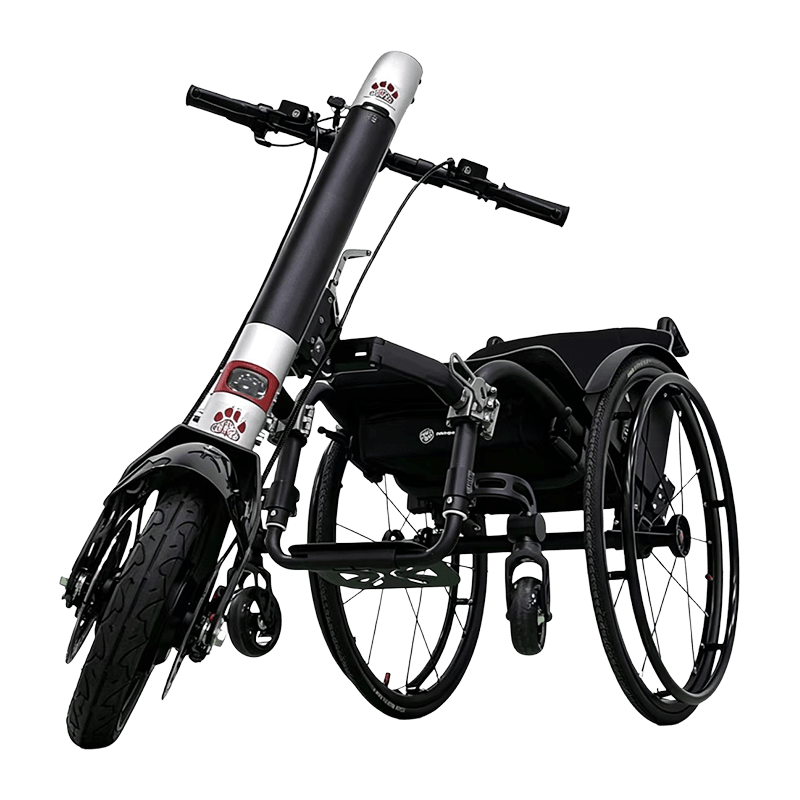
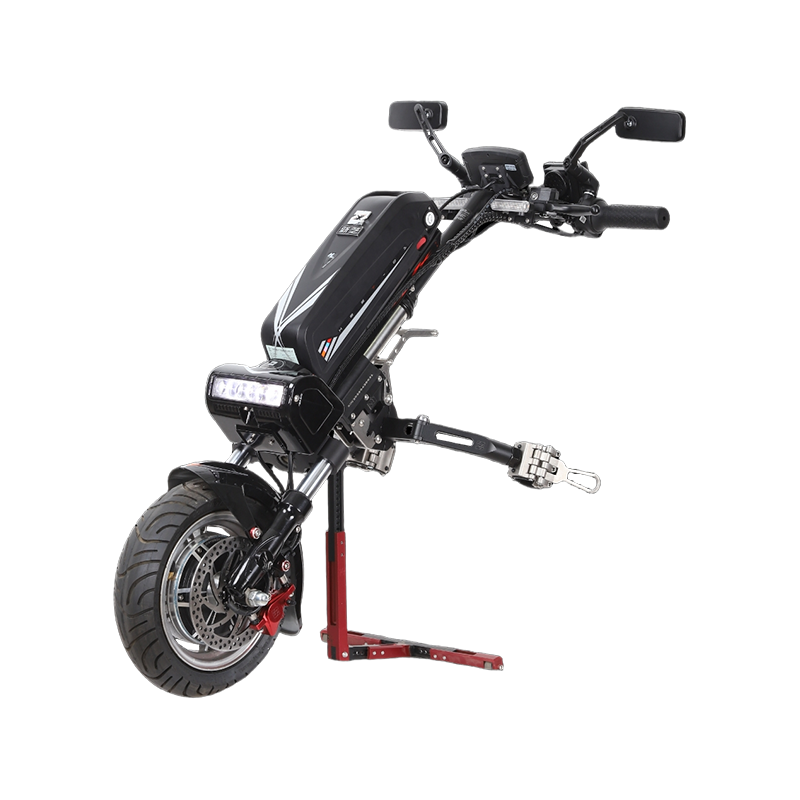
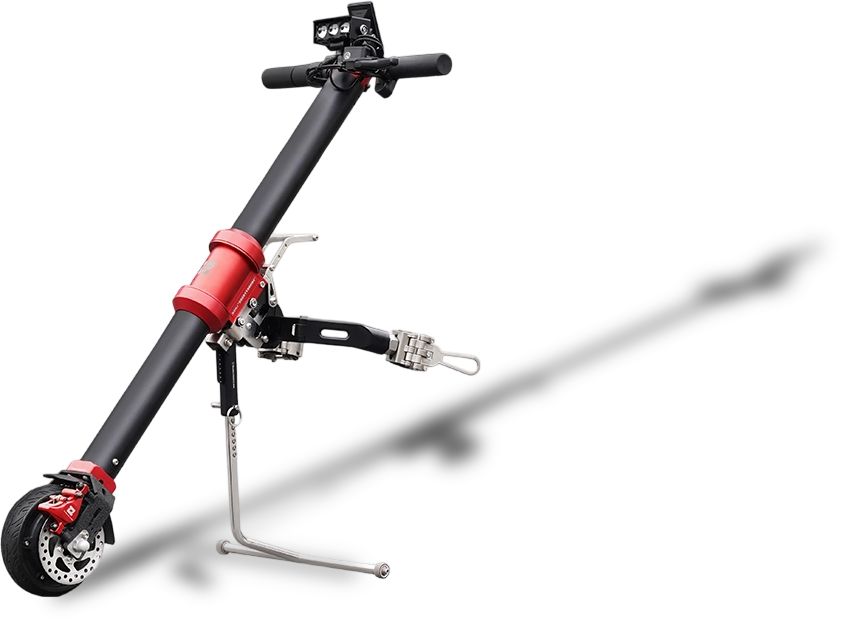
A wheelchair electric bike attachment, also called an electric handcycle attachment, mounts to the front of a manual wheelchair. It lifts the wheelchair's front casters and becomes the steering wheel. Most designs use a single front wheel, a handlebar or handcycle crank, and a motor that assists your pedaling or provides throttle power. The result feels closer to riding a bicycle than driving a wheelchair. You balance, lean into turns, and steer with the handlebars.
Because the attachment replaces the front contact point, it can improve rolling efficiency on smooth surfaces and add speed without changing the rear wheels. The trade-off is stability. A single front wheel is agile but less forgiving on gravel, wet leaves, or steep side slopes. Weight is usually lower than a trike, which makes removal and transport easier. Many models fold or detach in seconds, but check the actual weight and latching system before buying. If your routine includes frequent car transfers, tight doorways, and paved commutes, this category is often the practical choice.
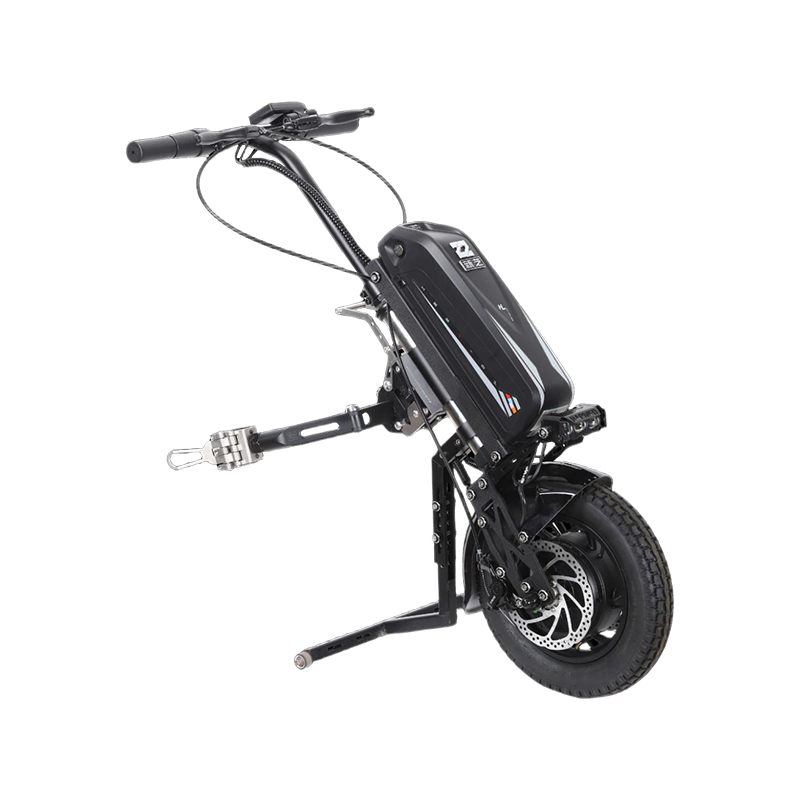
 SlimTough Ultra-Light Quick-Connect Electric Wheelchair Handcycle AttachmentA lightweight 10 kg quick-connect attachment for paved commutes and car transfers, with 36V battery, 350W motor, and up to 60 km range.View Product →
What a Power Trike Wheelchair Attachment Actually Is
A power trike wheelchair attachment uses two front wheels instead of one. When attached to a manual wheelchair, the two front wheels plus the two rear wheelchair wheels create a four-point stance, though the drive layout often feels like a trike because the front assembly carries the motor and steering. This design is inherently more stable. It resists tipping on cambered paths, handles gravel and grass with less drama, and gives riders more confidence at low speeds.
The cost is weight, bulk, and price. Power trikes are typically heavier than electric bike attachments, so lifting one into a trunk or onto a rack can be difficult without help. They also take more space in a hallway or vehicle. Turning radius may be wider, and some models feel less nimble in tight indoor spaces. On the other hand, for outdoor users who rarely remove the attachment and prioritize traction, ground clearance, and stability, a power trike can be the more capable solution. Check whether the front wheels are pneumatic or solid, whether the motor is geared for climbing, and how the battery is mounted.
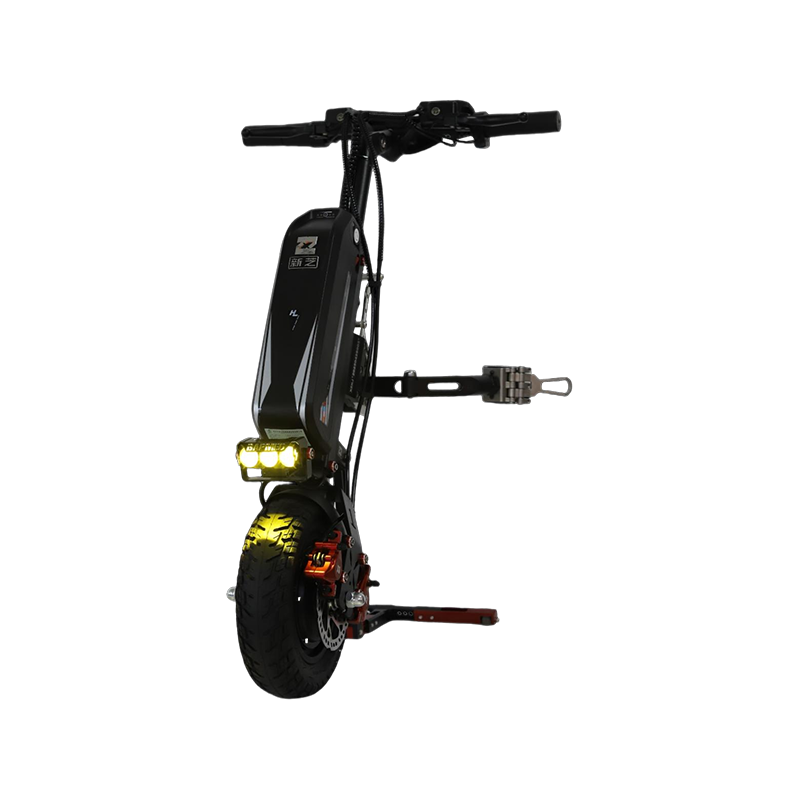
 NeoPath All-Terrain Electric Wheelchair Power AttachmentA 13.7 kg all-terrain attachment with 48V battery, 12-inch 350W motor, pneumatic tire, and about 45 km range for outdoor traction and stability.View Product →
Key Differences Buyers Should Compare
Before choosing, compare the two categories on the dimensions that affect daily use. The table below summarizes the practical differences.
| Factor | Wheelchair Electric Bike Attachment | Power Trike Wheelchair Attachment |
|---|---|---|
| Front wheel setup | Single front wheel | Two front wheels |
| Stability | Requires balance; agile | High stability; forgiving |
| Weight | Lower; easier to lift | Higher; may need two people |
| Portability | Usually detachable and compact | Bulky; transport needs planning |
| Terrain | Pavement, smooth paths | Gravel, grass, slopes, uneven ground |
| Turning radius | Tight, bicycle-like | Wider |
| Speed potential | Moderate to fast on smooth ground | Moderate; often tuned for control |
| Price range | Generally lower entry cost | Higher cost for stability and capacity |
| Best for | Daily commutes, car transfers, city use | Outdoor use, rough terrain, users who rarely remove it |
Weight and portability often decide the purchase. If you cannot lift the attachment safely, it will stay at home. Stability and terrain capability decide safety. If your routes include broken pavement, packed gravel, or steep driveways, the trike's extra front wheel reduces the constant micro-corrections required with a single wheel. Turning radius matters indoors. A trike may not fit through a narrow bathroom door or turn around in a small kitchen. Battery placement affects balance and charging. A removable battery is easier to charge indoors and may simplify air travel, but airlines have specific rules for lithium batteries. Always check the airline and local regulations. Mounting systems differ. Some attachments use a bracket that stays on the wheelchair; others require tools for installation. A quick-release latch is valuable if you switch between attachment and unassisted wheelchair use during the day.
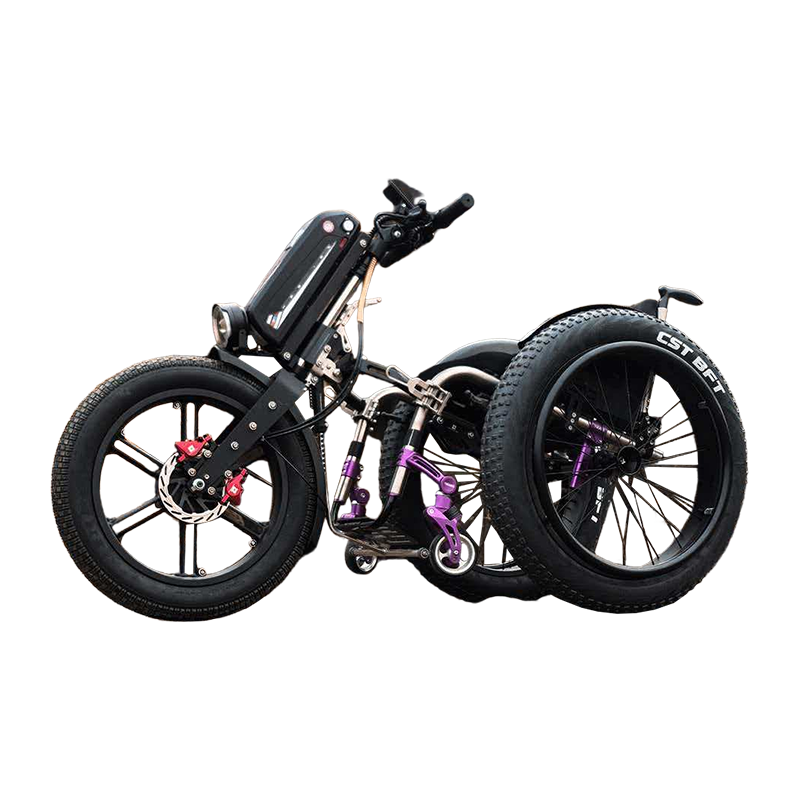 Zepath Comfort-Series Electric Wheelchair Power AttachmentA comfort-focused attachment with 48V battery, 10-inch 500W motor, hydraulic disc brake, and up to 100 km range; 18 kg total with 13 kg detachable.View Product →
How to Choose Based on Your Daily Routine
Use your typical week, not an ideal scenario, to decide. Answer these questions honestly.
- How often will you remove the attachment? Daily car transfers favor a lighter electric bike attachment.
- What surfaces do you ride on most? Smooth pavement and indoor floors suit a single front wheel. Gravel, grass, and slopes favor a power trike.
- Where will you store it? A trike needs floor space and a wide path.
- Who will lift it? If you cannot lift the attachment alone, a trike may become unusable without a helper.
- What is your budget? Consider the attachment, battery, mounting bracket, shipping, and any vehicle rack.
- Do you need to reverse? Some attachments have reverse; confirm before buying.
- What is the total width? Measure your narrowest doorway, elevator, and vehicle opening.
A commuter who folds the attachment into a car trunk twice a day will likely be happier with a lighter electric bike attachment. A rider who uses a gravel trail or lives on a steep unpaved driveway will appreciate the trike's two front wheels. If you need both, some families keep a light attachment for travel and a trike for home. That is a higher total cost, but it avoids the compromise of a single device that does neither job well. Also consider service and spare parts. Tires, brake pads, batteries, and controllers wear out. A model with widely available parts and clear documentation is easier to own long term.
Common Buying Risks and Overlooked Specs
Several details cause returns or disappointment.
- Total width: A power trike can be wider than the wheelchair. Measure doorways and ramps.
- Battery rules: Lithium batteries may be restricted on flights or require special shipping.
- Mounting compatibility: The bracket must match your wheelchair frame. Not every attachment fits every chair.
- Weight distribution: A heavy front unit changes how the chair tips. Practice on a safe surface.
- Tire type: Pneumatic tires absorb bumps but can go flat. Solid tires need less maintenance but ride harder.
- Braking: Confirm the attachment has reliable brakes and a parking lock.
- Ground clearance: A trike may have better clearance, but check it against curbs and thresholds.
- Warranty and service: Ask what is covered, who repairs it, and how long parts take to arrive.
A common mistake is buying a power trike for its stability, then discovering it is too heavy to load into the car. Another is choosing a light electric bike attachment for rough trails, then feeling unstable. Match the device to the dominant use case, not the occasional trip. If you are between sizes or use cases, a dealer or manufacturer can help confirm compatibility. With COMPAW, you can review the electric handcycle attachment range and contact our team with your wheelchair model, daily route, and transport needs.
The right choice between a wheelchair electric bike attachment and a power trike wheelchair attachment comes down to a simple trade-off. Electric bike attachments prioritize light weight, portability, and bicycle-like agility. Power trike attachments prioritize stability, rough-terrain capability, and confidence. Write down how often you lift the unit, what surfaces you ride, and how much space you have. Those three answers will usually point clearly to one category. If you still cannot decide, choose the option that matches your most frequent trip, not your most ambitious one.