Core Advantages
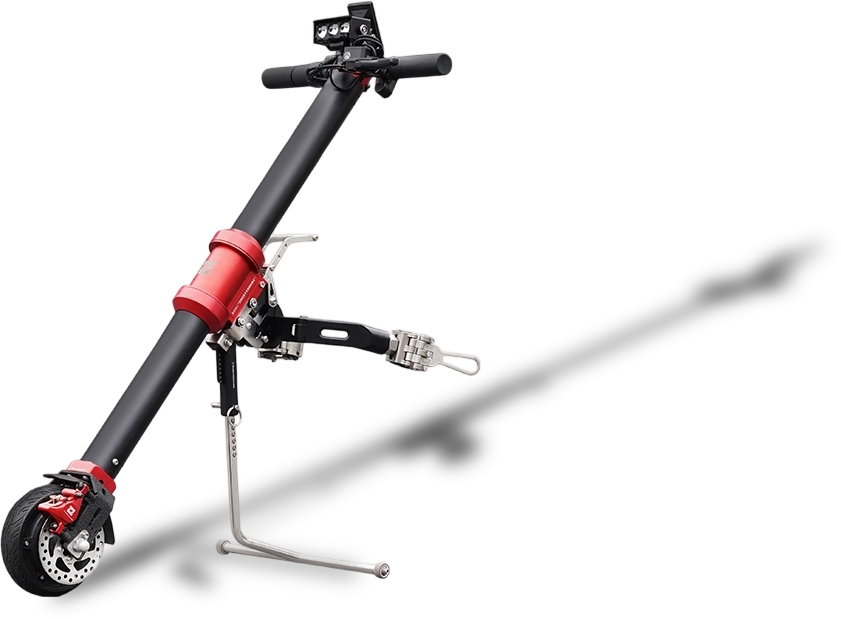
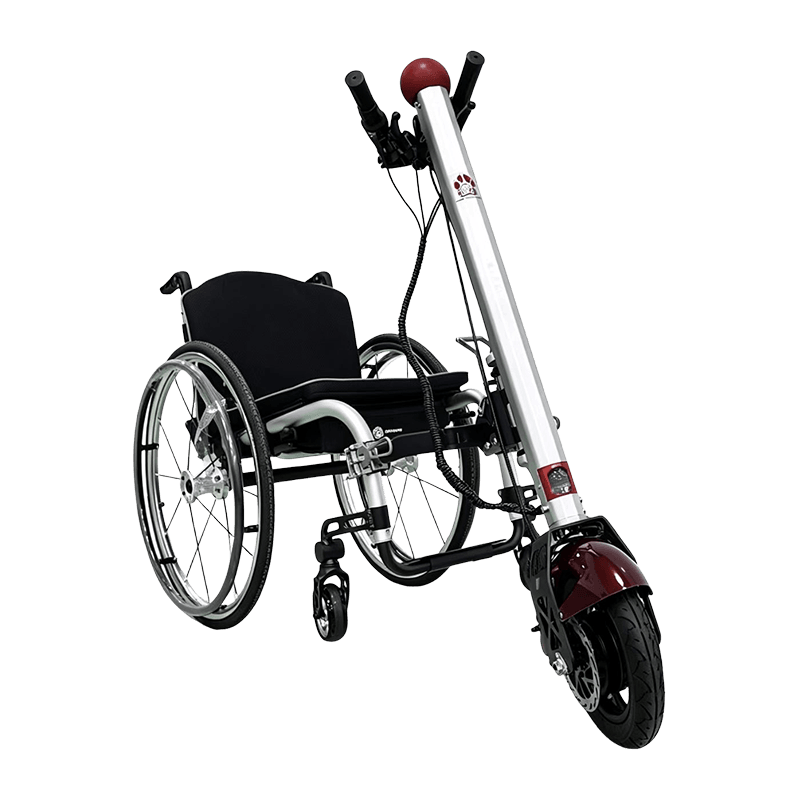
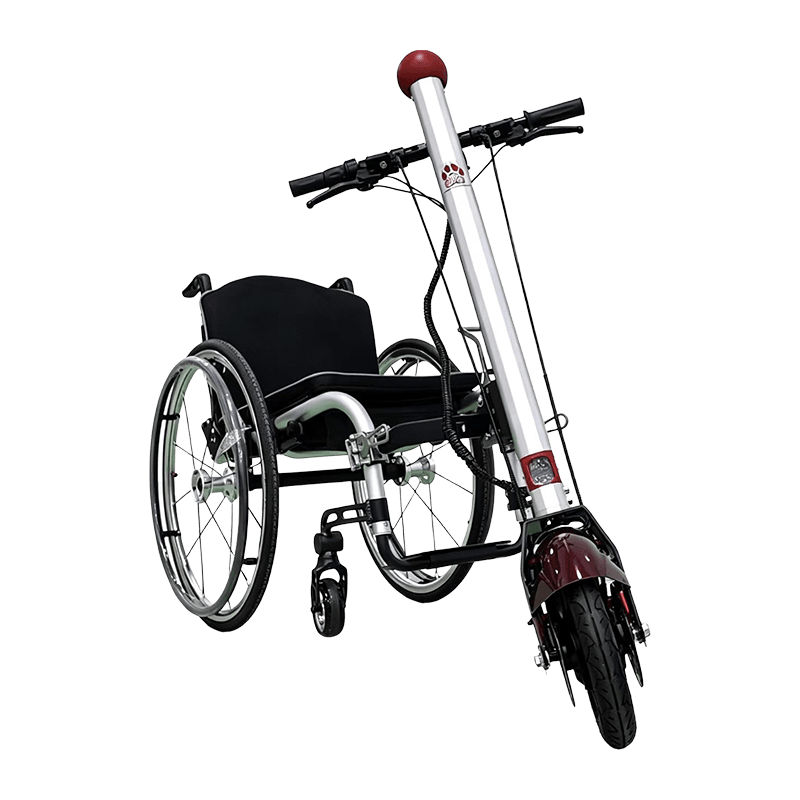
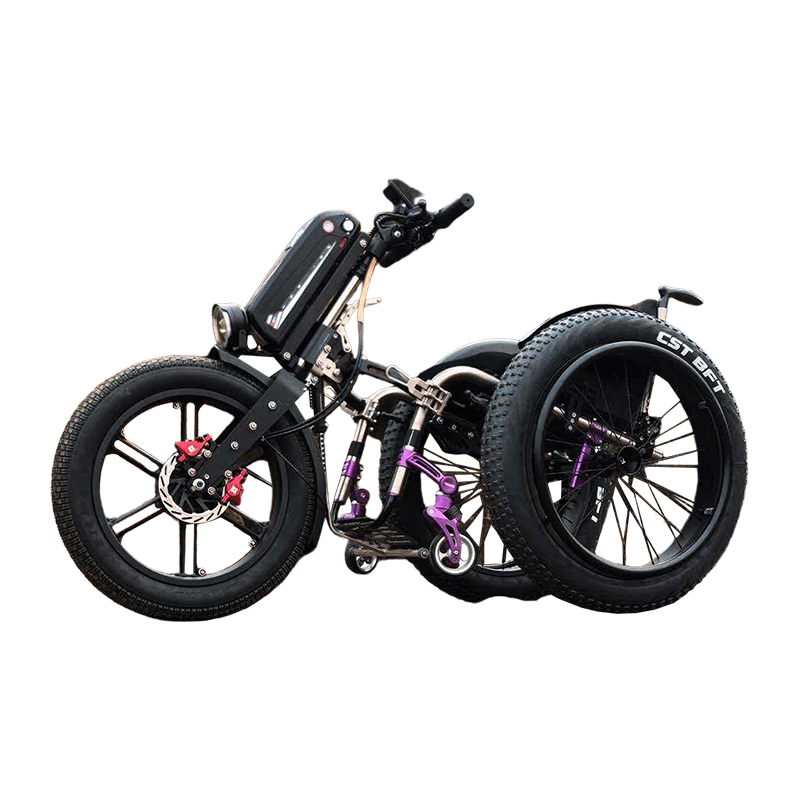
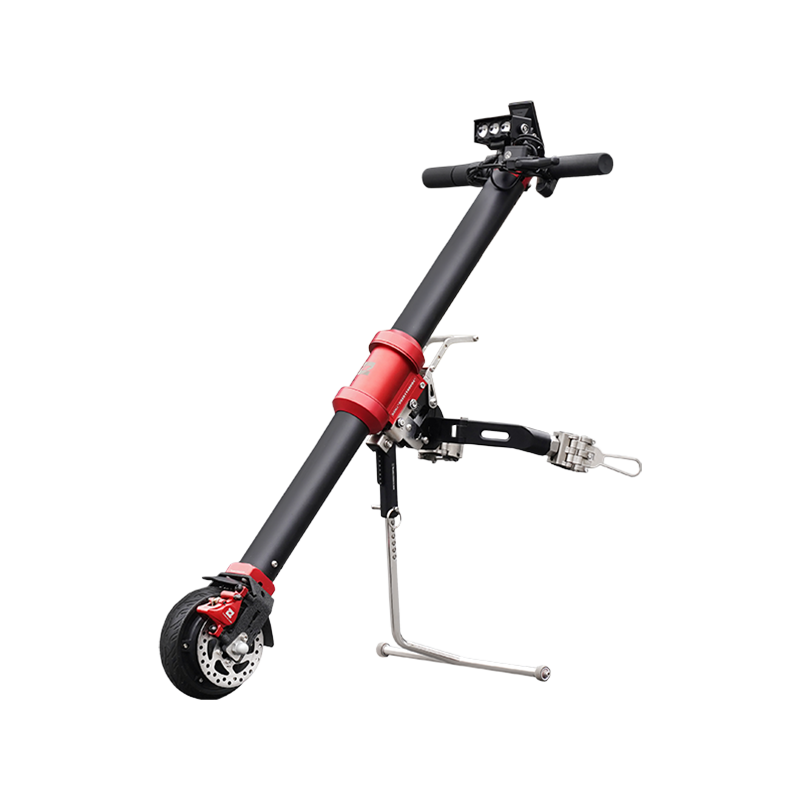
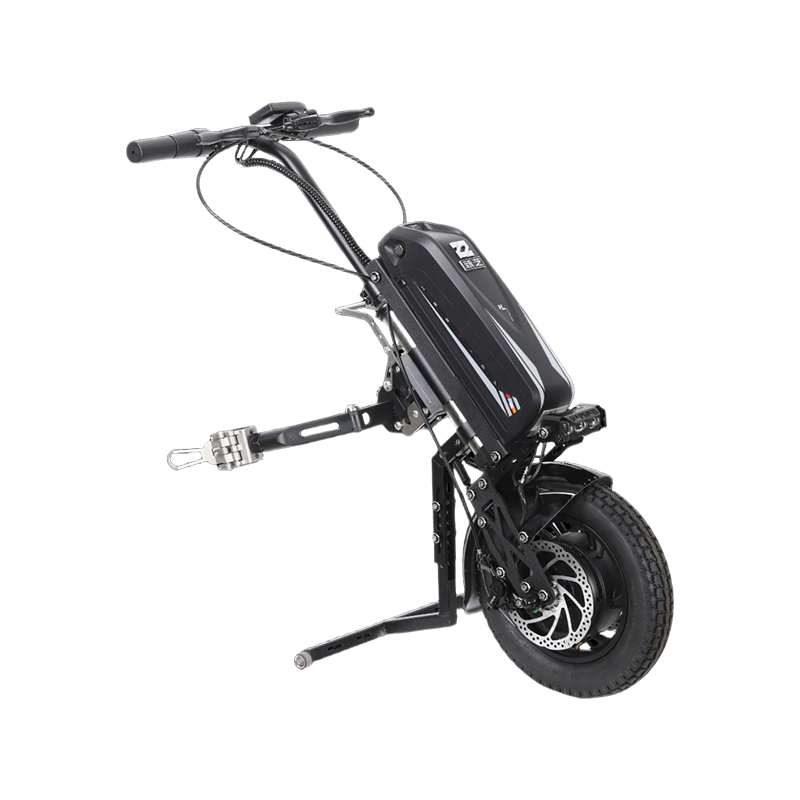
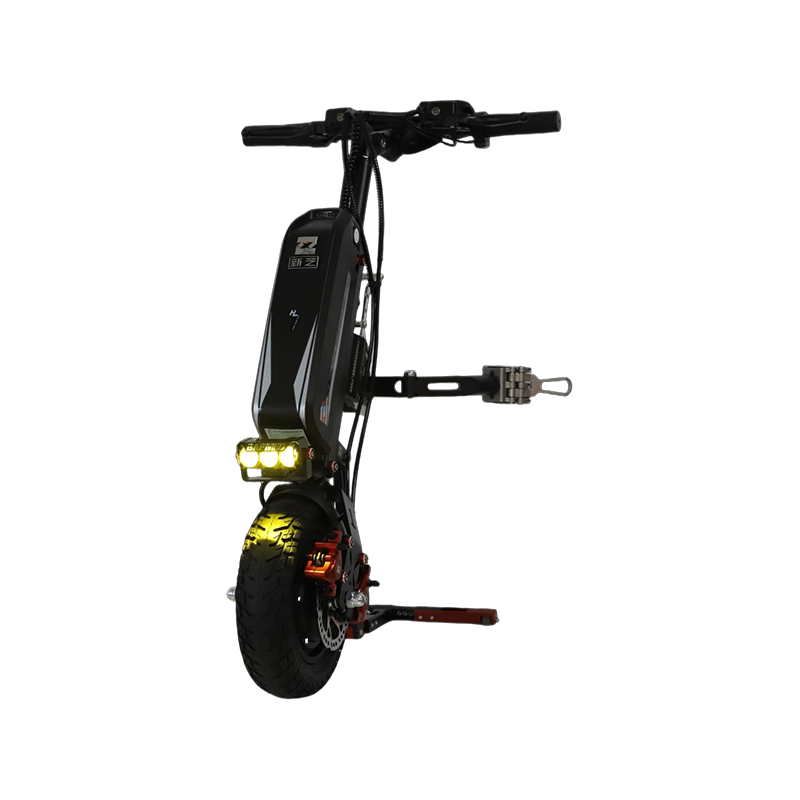
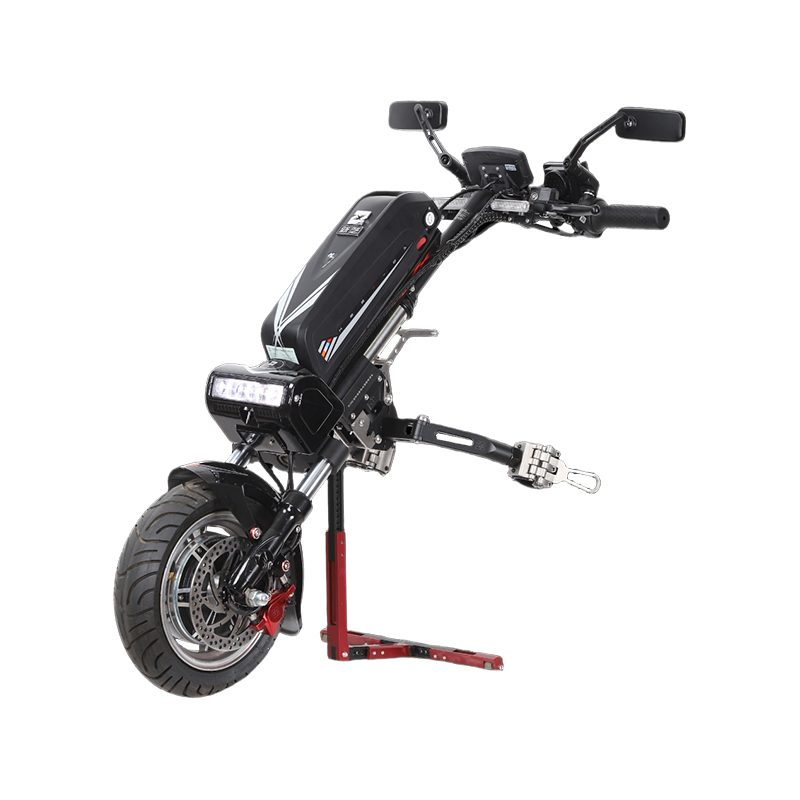
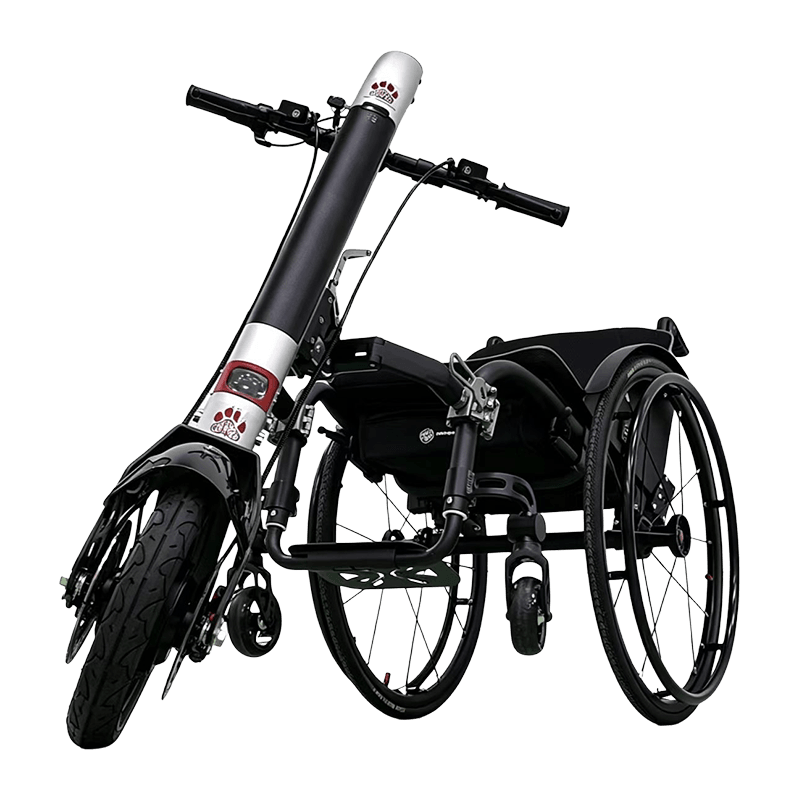
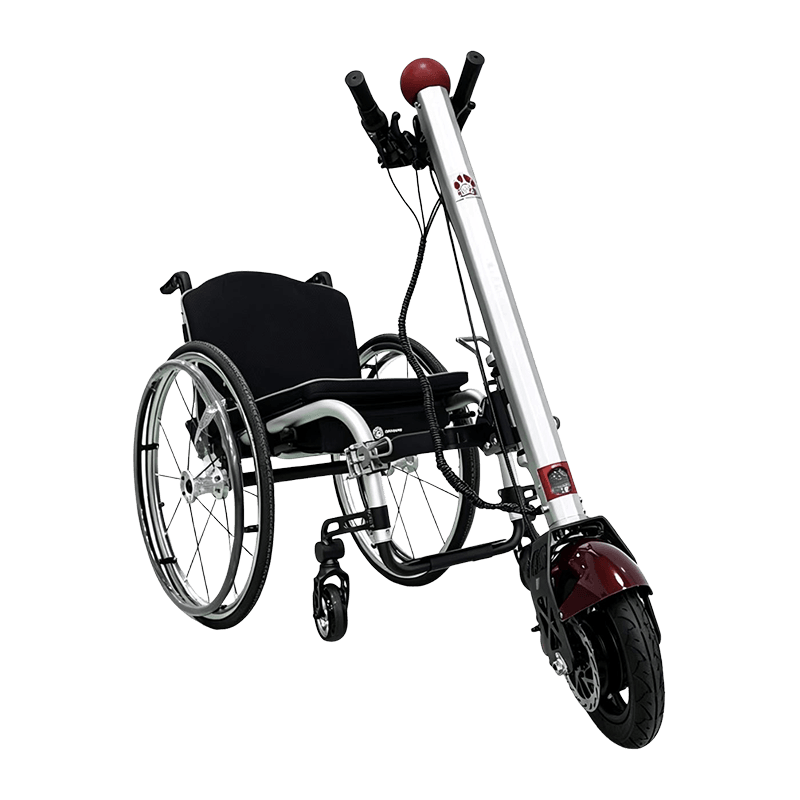
- Front-mounted drive configuration: The powered wheel is positioned in front of the manual wheelchair and provides electric propulsion.
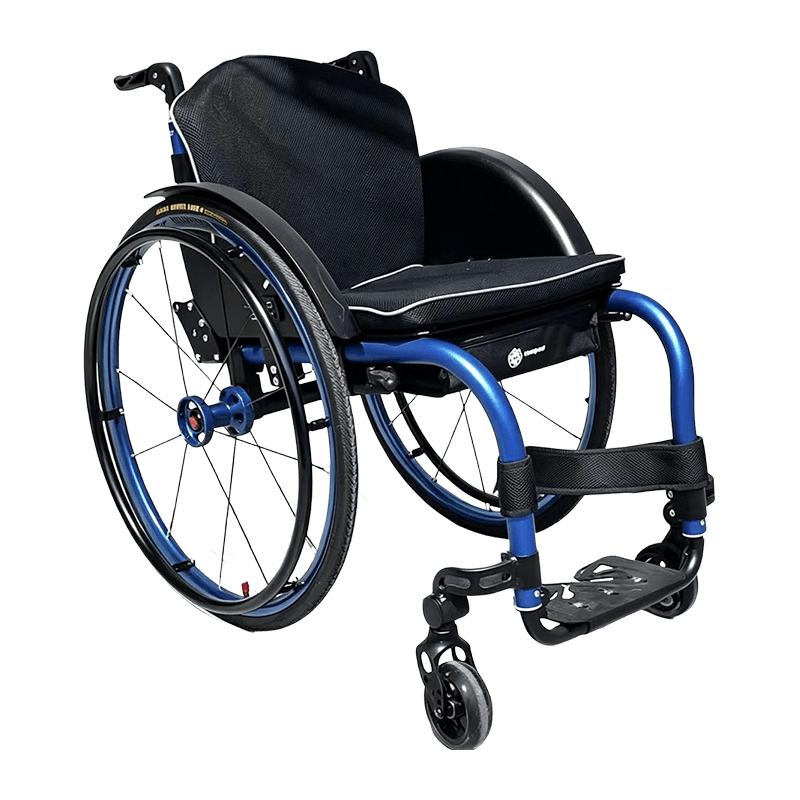
- Manual wheelchair conversion: A dedicated attachment mechanism connects the drive unit to an existing wheelchair frame for electrification projects.
- Independent drive system: Motor, battery, and controller form an independent powered assistance module for system integration.
- Configurable drive parameters: Motor output and battery capacity can be matched to total load, required speed, terrain, and operating distance.
- Adjustable mounting structure: The attachment mechanism can be configured according to wheelchair frame dimensions and mounting positions.
- Suitable for B2B integration: The system can be supplied as a mobility-assistance module for wheelchair manufacturers and OEM/ODM projects.
Product Features
- Front-mounted powered handcycle configuration
- Manual wheelchair attachment mechanism
- Electric motor-driven front wheel
- Rechargeable battery power system
- Handlebar-mounted or integrated control unit
- Speed and directional control
- Adjustable mounting and connection structure
- Adaptation to different wheelchair frame dimensions
- Configurable motor output and battery capacity
- Designed for manual wheelchair electrification
- OEM/ODM configuration and structural customization
- Suitable as an independent drive module for wheelchair integration
Application Scenarios
1. Manual Wheelchair Electric Conversion
The attachment can be used to add front-mounted electric propulsion to manual wheelchairs, supporting wheelchair conversion manufacturers and mobility equipment suppliers.
2. Rehabilitation Mobility Equipment
The drive unit can be integrated into rehabilitation and assisted mobility equipment where powered wheelchair propulsion is required.
3. Accessible Mobility Equipment
It can be used in designated mobility environments such as campuses, pedestrian routes, indoor facilities, and other suitable paved areas. Actual operating conditions should be determined according to complete-vehicle configuration, terrain, and local regulations.
4. Wheelchair Manufacturing
Wheelchair manufacturers can integrate the powered handcycle attachment with different manual wheelchair configurations to develop electrically assisted mobility systems.
5. OEM/ODM Projects
For OEM and ODM applications, the system can be configured according to wheelchair dimensions, mounting structure, rated load, motor specifications, battery requirements, control method, and target production volume.
Common Questions and Solutions
Q1: Which manual wheelchairs are compatible with the attachment?
Compatibility depends on the wheelchair frame structure, front clearance, frame tubing dimensions, attachment points, and overall geometry. Wheelchair model information and key mounting dimensions should be provided before procurement.
Q2: Can the wheelchair still be manually operated after installation?
This depends on the mechanical configuration. Projects that require both manual and powered operation should confirm the drive-wheel disengagement mechanism and attachment structure during the selection stage.
Q3: How should motor power be determined?
Motor output should be selected according to total wheelchair and occupant load, target speed, slope, wheel diameter, terrain, and continuous operating requirements rather than wheelchair dimensions alone.
Q4: How should battery capacity be configured?
Battery capacity should be matched to rated voltage, motor power, required travel distance, total load, and operating time. Different battery configurations can be specified for different operating conditions and market requirements.
Q5: What information is required for an OEM order?
Recommended information includes wheelchair frame drawings or dimensions, mounting points, complete-vehicle weight, maximum load, target speed, operating environment, motor requirements, battery specifications, control requirements, and estimated order quantity.
Selection and Installation Considerations
- Confirm the available front mounting space and attachment-point dimensions.
- Verify mechanical compatibility between the mounting mechanism and wheelchair frame.
- Determine motor output according to total load and operating slope.
- Select battery capacity based on required travel distance and operating time.
- Verify rated voltage and current compatibility between the motor, controller, and battery.
- Check front-wheel dimensions, ground clearance, and changes to the overall center of gravity.
- Conduct installation and compatibility testing with the target wheelchair models before bulk production.
- For international distribution, verify applicable mobility-equipment, electrical-safety, and other regulatory requirements in each target market.
COMPAW is a comprehensive high-tech enterprise integrating R&D, production, and global trade of intelligent rehabilitation aids, accessible mobility devices, and smart home equipment.
With a manufacturing core built on 25 years of mature experience, we operate a 50,000㎡ modern factory, employ over 300 professionals, and maintain a 100‑ton production capacity. Over 70% of our products are exported worldwide, and our annual turnover exceeds 100 million RMB.
Centered on technological innovation, we offer a full‑range product matrix: SlimTough, NeoPath, Zepath, ProPath, and OmniPath wheelchair power assist heads; wheelchair stair‑climbing robots; automatic cooking robots; and multi‑functional wheelchairs.
We deliver one‑stop accessible mobility and smart home solutions to global customers, committed to enhancing the quality of life and work for people with reduced mobility, families, and commercial scenarios through intelligent technology.

 English
 русский
 Español
 Deutsch